


Situated high in the Wasatch Mountains at an elevation exceeding 7,200 feet, Strawberry Reservoir is widely considered Utah’s premier trout fishery. This is not a casual roadside pond; it is a sprawling, high-alpine inland sea known for producing trophy-class Cutthroat Trout, Rainbow Trout, and Kokanee Salmon. The environment here is rugged and exposed, characterized by rolling sagebrush hills that offer virtually no natural wind protection, creating a dynamic where glass-calm mornings can rapidly deteriorate into dangerous chop by early afternoon. For the serious angler, understanding the logistical nuances of this high-altitude basin is as critical as selecting the right lure.
The reservoir serves as a critical water storage facility for the Wasatch Front, but its management priority is heavily skewed toward recreation and fisheries. The water is cold, clear, and highly productive, supporting rapid growth rates for salmonids. Unlike the manicured state parks closer to Salt Lake City, Strawberry Reservoir retains a wilder, more remote atmosphere. The sheer size of the water body requires a sturdy vessel and a captain who respects mountain weather patterns. While the fishing is world-class, the infrastructure is concentrated in specific hubs, requiring strategic planning for fuel, provisions, and launch timing.
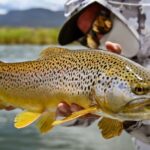
Anglers targeting this fishery are typically looking for the "Strawberry Cutthroat," a strain genetically engineered to thrive here, or the aggressive Kokanee runs. The bottom topography varies from shallow, weed-lined bays in the Strawberry Bay area to deeper, rocky structures near the Renegade complex. Success here demands mobility; knowing where to launch based on the prevailing wind direction can mean the difference between a productive day of trolling and a white-knuckle ride back to the ramp.
Access & Getting There
Accessing Strawberry Reservoir requires a climb into the high country. The primary artery for all traffic is Highway 40, typically approached from Heber City to the west. The drive is approximately 23 to 28 miles from Heber, winding through Daniels Canyon. While the highway is well-maintained, it is a mountain pass that can experience sudden snow squalls even in late spring or early autumn. During peak summer weekends, traffic on Highway 40 can be heavy with recreational vehicles; seasoned locals know to depart the Wasatch Front well before dawn to beat the convoy of trailers.
💡 Captain's Tip: Wind Management
The geography of the Strawberry Valley channels wind aggressively. If the forecast calls for afternoon gusts, plan to launch at Renegade if you intend to fish the southern deep structures. Launching at Strawberry Bay and running south puts you fighting a head sea on the return trip when the afternoon westerlies kick up.
Upon reaching the summit and dropping into the valley, the primary turnoff is Strawberry Bay Junction. From here, paved roads lead to the main marina complex. For those targeting the southern end of the reservoir, the road continues toward the Renegade complex. The roads within the recreation areas, including the loops around Renegade and Strawberry Bay, are generally paved, which is a significant advantage for towing heavy fiberglass boats. However, winter access changes dramatically; while the reservoir is a premier ice fishing destination, road maintenance priorities shift, and 4x4 vehicles are mandatory during the hardwater season.
The boat launch situation is bifurcated between two main hubs. The Strawberry Bay Marina ramp is the most developed, featuring multiple lanes and proximity to the store and fuel. It is the busiest ramp on the lake. Alternatively, the Renegade boat ramp, located approximately 12 miles from the junction at an elevation of 7,700 feet, offers excellent access to the deeper portions of the reservoir. The Renegade ramp includes a fish cleaning station—a vital amenity for those harvesting Kokanee—and paved parking. However, captains should note that the Renegade area is more remote with spotty cell service compared to the main bay.
Parking at the ramps is generally ample but can fill to capacity on holiday weekends like Memorial Day and July 4th. The lots are designed for trailers, but maneuvering can be tight when the facilities are crowded. Security is generally good due to the high volume of visitors and ranger presence, but standard precautions should be taken. For those ice fishing, parking is plowed at specific trailheads, but spaces are limited. The Renegade Day Use Area provides beach access which serves as a secondary launch point for kayaks and float tubes, separate from the main powerboat traffic.
Strawberry Reservoir Pre-Trip Checklist
Facilities & Amenities
Infrastructure at Strawberry Reservoir is robust but concentrated. The commercial heart of the fishery is the Strawberry Bay Marina. This facility is essential for long days on the water, offering a boat ramp, slip rentals, and boat rentals ranging from pontoons to fishing skiffs. Most critically for powerboat captains, this is the only location on the water to purchase fuel. If you are launching from Renegade or other primitive points, you must ensure your tanks are full before leaving Heber City or Duchesne, as there are no fuel docks outside the main marina.
For tackle and specialized gear, the Strawberry Bay Marina operates a small general store stocked with the specific lures and baits that work locally. However, for serious outfitting, expert anglers rely on the shops in Heber City, roughly 27 miles away. Fish Heads Fly Shop and Utah Ice Fishing are key resources for real-time intelligence on hatch activity and ice thickness. These shops are where you buy your specialized fly patterns or ice jigs before ascending the canyon. Do not expect to find high-end fly rods or electronics repair services at the reservoir itself.
Lodging and Camping Overview
| Facility Name | Type | Key Amenities | Captain's Notes |
|---|---|---|---|
| Strawberry Bay Campground | Developed Camping | Flush toilets, Dump station, Loop B has full hookups | Best for RVs and boaters wanting proximity to the marina and fuel. |
| Renegade Campground | Semi-Developed | Flush toilets, Fish cleaning station, Paved roads | No electricity or phone service. Better access to deep water fishing. |
| Strawberry Bay Marina | Lodge/Marina | Fuel dock, General store, Slip rentals | The logistical hub. The only source of gas on the water. |
| Strawberry Bay Long Term | Long-term Camping | Vault toilets, Water spigots | More primitive. No showers available. |
Camping is a primary accommodation style here. The Strawberry Bay Campground is massive, featuring loops A through G. Loop B is particularly coveted by RV owners for its full hookups. The campground offers flush toilets and drinking water, but it is critical to note that there are no shower facilities anywhere in the campground network. If you are planning a multi-day trip, you must be self-contained for hygiene. Renegade Campground offers a more secluded experience but lacks electricity and phone connectivity, making it a true off-grid basecamp. It does, however, feature a fish cleaning station, which helps keep campsites bear-safe and clean.
💡 Captain's Tip: Shade Strategy
The "Natural Features" data emphasizes rolling sagebrush hills with "very little shade." At 7,600+ feet, UV exposure is extreme. If your boat lacks a bimini top or hard top, bring high-quality sun protection. Campsites are similarly exposed; bringing your own canopy or shade structure is mandatory for comfort.
For those preferring a roof over their heads, the Strawberry Bay Marina offers lodge rooms, though availability is scarce during the prime season. The Timber Moose Lodge and Camp Aspen Lakes in Heber City provide luxury alternatives, but they require a 30-45 minute commute to the ramp each morning. This distance makes "dawn patrol" launches more difficult, so most serious anglers opt for the campgrounds or RV sites to maximize time on the water during the prime morning bite.
Permits, Regulations & Fees
Fishing and boating at Strawberry Reservoir are governed by a strict set of regulations designed to protect the unique Cutthroat and Kokanee populations. The area is managed federally by the U.S. Forest Service (Heber Ranger District), while the fishery is state-managed. Anglers must possess a valid Utah fishing license. There are specific slot limits and catch-and-release regulations that frequently change to manage the population balance; it is imperative to consult the current proclamation before harvesting any fish.
Strawberry Reservoir is subject to strict aquatic invasive species (AIS) inspections. Utah takes mussel containment seriously. Boaters should expect mandatory inspections at ramps, particularly at the main Strawberry Bay and Renegade launches. You must self-certify or undergo professional decontamination if you have visited infested waters recently. Failure to comply can result in significant fines and denial of launch. The Strawberry Visitor Center often hosts interpretive displays including a working fish trap and egg collection station, highlighting the intense conservation efforts required to maintain this fishery.
Fees are charged for day use and camping. As of the latest data, day-use fees apply to the developed recreation areas. Camping reservations are handled through Recreation.gov and are highly recommended, as the popular loops fill months in advance. Cancellation policies are strict, with service fees deducted for changes made within 18 days of arrival. There is an extra fee for the marina slip rentals and boat launching at the developed marina if you are not camping. Note that the Strawberry Bay Long Term and Renegade areas are managed by the Utah Recreation Company under a concessionaire permit, meaning federal passes like the "America the Beautiful" pass may offer discounts on camping but do not always cover all concessionaire-operated amenity fees.
Culturally, visitors should respect the "Kapu" or sacred nature of the land, although in this context, it translates to a rigorous "Pack it in, Pack it out" ethic. The high-desert ecosystem is fragile; driving off designated roads (OHV travel is restricted to the 75-mile trail system) damages the sagebrush steppe and causes erosion that silts up the spawning beds. Respecting the land ensures the longevity of the fishery.
Events & Seasonal Information
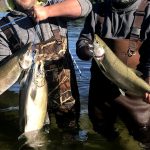
The rhythm of Strawberry Reservoir is dictated by the freeze-thaw cycle. The open water season typically runs from late May through November. The "ice-off" period in late spring is a major event, drawing anglers from across the West to target hungry trout cruising the shallows. Summer brings the Kokanee salmon run, usually peaking in July and August, where downriggers and lead core lines are the tools of the trade. During these months, the reservoir sees its highest traffic, particularly on holiday weekends.
💡 Captain's Tip: The Daily Wind Cycle
Local pros know the clock is ticking the moment the sun rises. The reservoir is famous for calm mornings that transition to violent whitecaps by 11:00 AM or 12:00 PM. Plan your farthest runs for the early morning and work your way back toward the ramp as the sun gets high. Small craft should be off the main body of water when the flags at the marina start snapping.
Winter transforms the reservoir into one of the West's most popular ice fisheries. The Utah Ice Fishing community descends on the hard deck as soon as safe ice forms, typically by late December or January. Access during winter is limited; the marina and campground roads are not plowed to the same extent as summer, and facilities like flush toilets are winterized and closed. Anglers must be self-sufficient with augers, shelters, and heating. The Strawberry Bay Marina store may have reduced hours or closures during the deepest winter months, so bring all bait and fuel from Heber City.
There are no major professional tournament circuits that permanently reside here, but the reservoir frequently hosts local club tournaments and derbies, particularly targeting the Cutthroat. The Strawberry Visitor Center is a hub for educational events, particularly during the spawning seasons when the egg collection station is active, offering a unique look at the science behind the sport.
Contact Information & Resources
For the most current conditions, facility status, and emergency assistance, direct contact with the managing agencies is recommended. The campgrounds and day-use areas are managed by the Utah Recreation Company, reachable at 385-273-1100. For regulatory questions or land management issues, contact the Heber Ranger District at 435-654-0470. The Strawberry Bay Marina can be reached at (435) 503-3292 for fuel and slip inquiries.
Safety is paramount at this altitude. Cell phone coverage is reliable near the marina but fades quickly in the canyons and near Renegade. Always file a float plan with someone on shore. In case of emergency, response times can be long due to the remote location and distance from Heber City. Carry adequate first aid, extra clothing for rapid temperature drops, and reliable communication devices.
For precise locations of the boat ramps, fish cleaning stations, and real-time weather conditions, consult the live dashboard and interactive maps below.


Leave a Reply