Verdict: GO. We are currently experiencing a prime spring transition pattern along the Oceanside coast, offering excellent opportunities for anglers who time their trips correctly. The transition from heavy winter storms to stable spring weather is holding, and water temperatures are steadily hovering in the low 60s. This warming trend is accelerating algae growth and pushing nearshore species into aggressive feeding modes.
Conditions Analysis: Expect manageable, mixed swells from the West/Southwest running at 2 to 3 feet with a long period of 14 to 15 seconds. This long-period swell creates a heavy surge along the jetties and pier pilings. While this surge is excellent for stirring up nutrients and dislodging bait, it creates a hazardous environment for foot traffic on the rocks.
Safety Advisory: The afternoon wind chop will be the primary limiting factor. Forecasts show light morning breezes under 5 knots, which will inevitably shift into a stiff West-Northwest wind (10 to 15 knots) by early afternoon. Small skiff operators, kayak anglers, and float-tubers should prioritize the dawn patrol window and plan to be off the water by 1:00 PM. Jetty anglers must wear spiked footwear and remain hyper-vigilant of rogue waves during the morning high tides. Never turn your back to the ocean.
From the editor
Tired of fishing with strangers you can’t trust?
Nautrek is the first social network for serious anglers — verified partners, real trips, cost splitting and intel sharing without burning your spots. Private beta now open.
Based on verified biological field data and recent catch networks, the inshore and nearshore zones are teeming with life. Here is the verified aquatic inventory for the Oceanside area:
Primary Target: Kelp Bass (Calico Bass) & California Sheephead
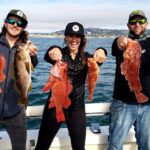
Kelp Bass rank exceptionally high in our biological intelligence, showing heavy concentrations around the Carlsbad Village reefs and Mission Bay zones. Recent boat counts and catch-and-release records confirm they are aggressively staging near kelp stringers and hard bottom structures. Additionally, the boat-based fishery for California Sheephead has recently reopened. These powerful, hard-fighting wrasses are currently unpressured and are actively patrolling the deeper rock piles and breakwaters.
The Sleeper Pick: Opaleye & Zebra-perch Sea Chub
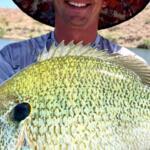
Often overlooked by trophy hunters, Opaleye and Zebra-perch Sea Chub are holding tight to the Oceanside Pier pilings and harbor jetties. With recent verified catches of both species, these structure-grazers remain highly active in the current 60-degree water. They provide constant rod-bending action when the larger gamefish suffer from lockjaw.
Surf Zone Phenomenon: California Grunion
Ranking as the most abundant species in our recent biological data, the California Grunion are making their presence known. These small silvery fish spawn on local beaches at night during the high tides of the new and full moons. While they are a target themselves for hand-catchers, their presence draws massive predators into the shallow surf zone, including California Halibut, shovelnose guitarfish, and leopard sharks.
Baitfish Report: Match the Hatch
The biological ground truth reveals a massive presence of Woolly Sculpin in the intertidal and shallow rocky zones. These small, dark, bottom-dwelling fish are the primary food source for Bass and Halibut right now. Higher in the water column, Topsmelt Silversides are schooling tightly. In the brackish and freshwater transition zones, Western Mosquitofish are the dominant forage.
TACTICAL STRATEGY
Where to Deploy
Focus your efforts on the Oceanside Harbor Jetties (both the north and south rock structures) and the nearshore kelp beds stretching south toward Carlsbad. For Kelp Bass and Sheephead, position your vessel along the 8 to 15-foot drop-offs where the jetty rocks meet the sandy bottom. If you are land-based and targeting Opaleye, drop your lines right alongside the Oceanside Pier pilings, specifically in the surf zone where the waves break and stir up the sand.
Lure Selection & Color
Abandon the bright, flashy baitfish patterns when fishing the bottom. To perfectly mimic the abundant Woolly Sculpin, tie on a 3/8-ounce weedless leadhead paired with a 3-inch to 4-inch paddle tail swimbait. Color: "Motor Oil," "Root Beer," or dark brown with orange flake. The predators are looking for dark, crawling meals. If you spot surface boils indicating predators chasing Topsmelt, switch to a slender silver and olive jerkbait, such as a Rapala X-Rap Size 8.
Bait & Rigging
For the structure-grazing Opaleye and Zebra-perch, utilize a light Carolina rig or a simple slip-bobber setup. Use a small size 8 bait holder hook tipped with fresh mussels, ghost shrimp, or even frozen green peas. For Sheephead, a dropper loop rig loaded with crushed crab or live squid will yield the best results.
Gear & Timing Specifications
Rod & Reel: 7-foot medium-heavy, fast-action rod paired with a 3000-size spinning reel or low-profile baitcaster.
Mainline & Leader: 30-pound braided mainline tied to a 15-pound fluorocarbon leader. The fluorocarbon is critical for abrasion resistance against sharp barnacles.
Optimal Timing: The golden window is the dawn patrol (6:00 AM to 10:00 AM), aligning with the lowest wind periods and aggressive morning feeding behavior.
Pro Tip: Because the biological data shows Woolly Sculpin are the primary forage base right now, predatory fish are looking down. Bounce your dark plastics right against the rocks and kelp bases using a slow roll and kill retrieve, rather than burning them through the middle of the water column.
Pro Tip: Opaleye are omnivores with a strong preference for vegetation. Lightly chumming your target zone with frozen peas or scraping a bit of natural algae off the rocks into the water can instantly ignite a feeding frenzy.
Pro Tip: If you hook a bright orange fish, you have caught a Garibaldi. They are heavily present in the local biological data, but they are the fully protected California state marine fish. Handle them with extreme care and release them immediately without removing them from the water if possible.
REGULATIONS SNAPSHOT
Always verify with the current California Department of Fish and Wildlife (CDFW) guidelines before keeping your catch. Key regulations for our local target species include:
Species
Minimum Size
Bag Limit
Season & Gear Notes
Kelp Bass (Calico)
14 inches total length
5 fish (in combination with other bass species)
Open year
-round.
California Sheephead
12 inches total length
2 fish
Boat-based season recently reopened (check current depth restrictions). Shore-based open year-round.
Opaleye & Zebra-perch
No minimum size
10 fish per species
Open year-round.
California Grunion
No minimum size
No limit
Closed April & May. Must be caught by bare hands only. No nets, traps, or gear permitted. Valid fishing license required for ages 16+.
Garibaldi
N/A
0 (Zero)
Fully protected state marine fish. Do not target. Immediate release required.
TIDES & LUNAR INFLUENCE
Because the biological data indicates an active grunion presence, we are experiencing the maximum tidal swings associated with the new or full moon phases. These "spring tides" mean water movement will be swift, powerful, and highly influential on fish behavior.
Incoming High Tides: The rising tide during the morning hours will push clean, nutrient-rich water against the harbor jetties and pier. This creates a massive flush of dislodged baitfish and crustaceans, triggering the prime feeding window for Kelp Bass and Sheephead.
Outgoing Low Tides: As the tide aggressively bottoms out in the afternoon, the bite will slow considerably. Combine this with the incoming wind chop, and afternoon fishing will be tough. However, use these negative low tides to visually scout exposed rock piles, reef structures, and kelp anchors to map out spots for future deployments.
FINAL OUTLOOK
The spring transition is fully underway along the Oceanside coast, providing a highly productive fishery for those willing to adapt. The mission parameters for success this week are clear: execute a dawn patrol to beat the wind, fish the morning high tide surge, and match the dark, bottom-dwelling Woolly Sculpin forage. Respect the ocean's power on the jetties, handle the protected bycatch with care, and capitalize on the aggressive feeding behavior while water temperatures continue their steady climb.
Tight lines!
Editor's Choice: Must-Have Gear
FISHINGSIR Next-Gen Waterproof Chest Waders
β β β β β 4.4 (7,370+ reviews)
2-Ply Tech: Upgraded nylon with 2.5x higher density than standard fabrics.
100% Waterproof: Lab-approved intrusion resistance with taped visible seams.
Ultra-Lightweight: Designed for all-day comfort while hunting or fishing.
As an Amazon Associate I earn from qualifying purchases. #ad
Loading forecast...
Live Fishing Conditions: Tides, Weather & Waves
Get realβtime tides, marine weather, swell and solunar activity for each spot so you know exactly when conditions line up for your best chance at a bite.
π£
Oceanside
Loading coordinates...
π€οΈ
WEATHER CONDITIONS
--Β°F
--Β°C
Loading...
π‘οΈ
Feels Like--Β°F--Β°C
π§
Humidity--%
π¨
Wind-- mph-- km/h
π§
Direction--
π
Pressure-- inHg-- hPa
βοΈ
UV Index--
π
MARINE CONDITIONS
πWave Height
-- ft
-- m
Loading...
π§Wave Direction
--Β°
Loading...
β±οΈWave Period
-- s
Loading...
πTide Status
-- ft
-- m
Loading...
π
LUNAR & SOLUNAR
π
Loading...
Illumination: --%
Major Period--:-- - --:----:-- - --:--
Minor Period--:-- - --:----:-- - --:--
π Sunrise--:--
πSunset--:--
π
24-HOUR FORECAST
Loading fishing conditions...
Fishing Spots Map
π£
Book a Fishing Charter near Oceanside Fishing Report Today π£
Local guides & charters. Verified captains, instant booking, best price guaranteed.
There was an error loading the map. Please try refreshing the page.
Info
Local Access & Facilities
Oceanside serves as a critical tactical pivot point for Southern California anglers, bridging the gap between the chaotic pressure of San Diego Bay and the open coastal stretches leading toward Orange County. This fishery is defined by its accessibility to deep water canyons and kelp lines without the excessive run times required from harbors further south. The atmosphere here strikes a balance between a working maritime hub and a recreational playground, where serious sportfishers share the water with recreational traffic.
The topography surrounding the harbor entrance is characterized by sandy beaches transitioning into structure-rich zones offshore. For the expert angler, the primary draw here is the versatility of the location. You are positioned to run offshore for pelagics during the summer season or work the coastal structure for calico bass and halibut when the conditions keep you closer to the hill. The harbor itself is a well-protected enclave, but the transition to the open Pacific can be dynamic depending on the swell direction.
Unlike the manicured resort feel of some southern marinas, Oceanside retains a functional, angler-centric vibe. It is a launchpad for those who value efficiency and proximity to productive grounds. Whether you are targeting yellowtail on the iron or setting up a drift for halibut, the logistics of this port allow for a streamlined "dawn patrol" execution that seasoned captains appreciate.
Access & Getting There
Reaching the Oceanside waterfront requires navigating the coastal corridors, typically via the Interstate 5 artery. While the highway provides direct access, seasoned locals know that the final mile to the water can be the difference between a stress-free launch and a logistical headache. Traffic congestion is a known variable in this region; however, the surface streets leading to the harbor are generally navigable for vehicles towing larger center consoles or trailer boats.
Parking strategy is paramount for the unguided angler. The crown jewel for overnight trips or ultra-early starts is Oceanside Harbor Lot 12. Located on North Pacific Street, this facility operates 24 hours a day, making it the only viable option for captains planning to clear the breakwall well before sunrise. In contrast, the Parking Structure on Civic Center Drive does not open its gates until 5:00 AM. For a serious offshore run, a 5:00 AM arrival is often too late, so prioritize Lot 12 to ensure your vessel is wet while the rest of the fleet is still parking.
π‘ Captain's Tip: The 5:00 AM Bottleneck
Avoid the Civic Center parking structure if you are targeting early bite windows. Its 5:00 AM opening time puts you behind the curve. Direct your rig to Oceanside Harbor Lot 12, which remains open 24 hours and accommodates the dawn patrol schedule essential for pelagic success.
For those launching trailer boats, Curtis Landing serves as a primary access point. The ramp conditions are generally reliable, but tidal swings can affect traction and depth. It is advisable to inspect the ramp during extreme low tides before committing a heavy hull. Additionally, a dedicated Kayak/Paddle Board Launch is available nearby, separating human-powered craft from the heavier mechanical traffic, which reduces ramp anxiety during the morning rush.
Shore access in this zone is robust, with specific points designated for families and foot-based anglers. These areas are wheelchair accessible, ensuring that the fishery remains inclusive. When accessing these shore points, be mindful of the swell exposure. Even protected jetties can experience wash-over during high surf advisories, so situational awareness is required when setting up gear near the waterline.
Oceanside Pre-Trip Checklist
Facilities & Amenities
The infrastructure in Oceanside is robust, but it requires specific "negative knowledge" to navigate effectively. The most critical logistical gap for the visiting angler is the bait situation. The data indicates that J & M Bait Distributors Inc is the primary source for bait, but it is located in San Marcos, roughly 10 miles inland. There is no heavy-duty tackle shop listed directly on the harbor apron in the immediate dataset.
This geographic reality dictates your preparation strategy. You cannot rely on grabbing fresh frozen squid or specialized terminal tackle at the ramp immediately before launch. You must secure your provisions at J & M Bait Distributors on your drive in, or ensure your vessel is fully stocked before leaving your home port. Failing to account for this 10-mile gap can result in a burned hour of prime fishing time retracing your route inland.
π‘ Captain's Tip: The Inland Pitstop
Do not wait until you hit the salt to buy your bait. J & M Bait Distributors is located inland in San Marcos. Make this your mandatory pitstop on the way to the coast, or you will find yourself dry on the docks.
For anglers looking to hire local expertise, Sea Star Fishing Charters is situated directly on Harbor Drive South. They are the premier operator in the immediate vicinity, maintaining a 5-star rating. Their location within the harbor complex suggests they are the go-to operation for those who prefer to step aboard a rigged vessel rather than trailering their own. Their proximity to the waterβless than a mile from the primary access pointsβmakes them the logistical hub for charter operations.
Lodging options vary significantly in terms of logistical utility. For the trailer-boater who wants to wake up next to the ramp, Paradise by the Sea Beach RV Resort is the superior choice, located just 1.4 miles from the harbor. This proximity allows for maximum sleep and minimum transit time. Conversely, high-end options like The Lodge at Torrey Pines or Fairmont Grand Del Mar are located over 20 miles away. While luxurious, they add significant friction to an early morning departure and are not recommended for anglers focused purely on the fishing.
Facility Name
Type
Distance from Spot
Key Notes
Oceanside Harbor Lot 12
Parking
1.2 miles
Open 24 Hours. Ideal for trailers.
Parking Structure
Parking
764 feet
Opens 5:00 AM. Close at 1:00 AM.
Paradise by the Sea Beach RV Resort
Lodging
1.4 miles
Nearest accommodation to launch.
J & M Bait Distributors
Bait & Tackle
10.1 miles
Nearest major bait supplier. Located inland.
Sea Star Fishing Charters
Charter
0.8 miles
Located on Harbor Dr S. 5-Star rated.
Permits, Regulations & Fees
Navigating the regulatory environment in Oceanside requires adherence to standard California Department of Fish and Wildlife statutes. While no specific local permit is flagged in the immediate harbor data, the standard ocean enhancement stamp and saltwater fishing license are mandatory requirements. The region is patrolled by state game wardens who frequent the launch ramps and jetties. Compliance is not optional; ensure all licenses are digital or physical and easily accessible.
Conservation awareness is critical in this zone. While the harbor itself is a recreational zone, the nearby coastline interacts with various protected areas. The San Mateo Wilderness South Area is located roughly 21.5 miles north. While this is primarily a terrestrial conservation zone offering camping and hiking, its presence signals the general environmental sensitivity of the North County coast. Anglers running north toward the Orange County line should be vigilant of Marine Protected Areas (MPAs) that may not be physically marked with buoys.
Cultural respect is also a component of the local etiquette. The coastline here has deep historical significance. Access points often border private property or areas of local importance. The "Kapu" conceptβrespecting sacred boundaries and resourcesβapplies metaphorically here. Treat the ramp, the parking lots, and the water with respect. Wash down stations should be used efficiently, and noise discipline in the harbor during early hours is expected to maintain the relationship between the fishing fleet and the local residents.
Events & Seasonal Information
The rhythm of the Oceanside fishery is dictated by the Pacific seasonal shifts. The summer months bring the warm water currents that attract pelagic species within range of the local fleet. This is the high season for charters like Sea Star, and ramp traffic at Curtis Landing peaks significantly. During these windows, the competition for parking in Lot 12 becomes fierce. Arriving the night before or in the ultra-early hours is often the only way to secure a spot.
Winter transitions the fishery into a bottom-structure game. The crowds thin out, but the weather windows become narrower. Swell direction is a critical factor here. A strong west or northwest swell can make the harbor entrance technical for smaller skiffs. Always verify the swell period and height before committing to a sortie. The interior harbor basins can offer refuge for spotted bay bass and halibut during these rougher periods, providing a "save the day" option when the outside is blown out.
π‘ Captain's Tip: Swell Exposure
The transition from the harbor jetty to open water can be treacherous during winter swells. If the forecast calls for a significant northwest energy, check the entrance conditions from the jetty before launching a small skiff.
Contact Information & Resources
Self-reliance is the primary safety protocol in this region. While there are multiple public restrooms and amenities within a mile radiusβincluding three distinct public restroom facilities near the waterβemergency services are standard for an urban interface. Ensure you have VHF radio capability to contact the Harbor Master or the Coast Guard if mechanical failure occurs offshore.
For immediate logistical needs, the BikeLink eLockers at the Oceanside Coaster Station (1644 ft away) provide a resource for secure storage if you are utilizing multi-modal transport to reach the water. Always check local weather dashboards for real-time wind updates, as the afternoon trade winds can stand the chop up quickly in the channel.
For precise locations of the boat ramps, real-time wind conditions, and detailed bathymetry of the nearby canyons, consult the live dashboard and interactive maps below.
Our spot reports combine data-driven forecasts with curated local information. The forecast is generated by our proprietary Fishing Score algorithm (0β100%), which analyzes real-time data from Open-Meteo API, validated against NOAA CO-OPS tide gauges and USGS water-monitoring stations. The model weights tide dynamics (35%), wave energy (25%), wind patterns (20%) and time of day (20%)βfactors shown to influence fish feeding behavior through marine-biology research and decades of charter log data.
Access, facilities and services information for each fishing spot is sourced from official datasets such as Recreation.gov (RIDB), state park & wildlife agencies, and geospatial providers like Google Maps. These sections undergo scheduled re-validation every 3β6 months to ensure that boat ramps, park access, contact details and local services remain accurate.
Narrative sections (catches, seasonal behavior, local tips) are synthesized from these data sources and refined following the Fishing Reports Today editorial guidelines, combining bibliographic research from ichthyology and oceanography with expert angler experience. Our team reviews reports on a regular basis, while the forecast model itself updates every 6 hours for real-time accuracy.
β οΈ Important: Always verify current local regulations, access restrictions and weather conditions before fishing. These reports are intended as a planning aid, not a guarantee of catches or safety. When in doubt, contact local authorities or park managers listed on the page.
To provide the best experiences, we use technologies like cookies to store and/or access device information. Consenting to these technologies will allow us to process data such as browsing behavior or unique IDs on this site. Not consenting or withdrawing consent, may adversely affect certain features and functions.
Functional Always active
The technical storage or access is strictly necessary for the legitimate purpose of enabling the use of a specific service explicitly requested by the subscriber or user, or for the sole purpose of carrying out the transmission of a communication over an electronic communications network.
Preferences
The technical storage or access is necessary for the legitimate purpose of storing preferences that are not requested by the subscriber or user.
Statistics
The technical storage or access that is used exclusively for statistical purposes.The technical storage or access that is used exclusively for anonymous statistical purposes. Without a subpoena, voluntary compliance on the part of your Internet Service Provider, or additional records from a third party, information stored or retrieved for this purpose alone cannot usually be used to identify you.
Marketing & Affiliates
The technical storage or access is required to create user profiles to send advertising, or to track the user on a website or across several websites for similar marketing purposes, including affiliate tracking for products recommended in our reports.
Leave a Reply