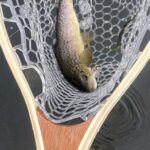
Current seasonal conditions at East Canyon Reservoir present a prime open-water opportunity for spring anglers. The ice has completely receded, and the reservoir is waking up from its winter slumber. Water temperatures are steadily climbing into the upper 40s to low 50s, creating an optimal thermal window that triggers aggressive feeding behavior, particularly in cold-water species.
While the fishing outlook is highly favorable, anglers must factor in the canyon's notorious weather patterns. Midday winds are a significant factor here, frequently funneling through the canyon and creating choppy, difficult conditions for boat control and strike detection. The safety advisory for small watercraft is to get on the water at first light and plan to be off or tucked into a protected cove by late morning. Shoreline anglers should wear sturdy footwear to navigate the rocky terrain safely.
From the editor
Tired of fishing with strangers you can’t trust?
Nautrek is the first social network for serious anglers — verified partners, real trips, cost splitting and intel sharing without burning your spots. Private beta now open.
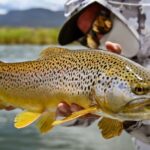
Rainbow trout are currently the most abundant and willing biters in the system. The Utah Division of Wildlife Resources conducts robust spring stocking of catchable-sized rainbows, which bolsters the healthy population of holdover fish from previous seasons. These fish are cruising the shallow to mid-water depths in search of easy caloric intake after the long winter, making them highly accessible to both boat and shore anglers.
Sleeper Pick: Smallmouth Bass
While the majority of the angling pressure is focused heavily on the trout bite, smallmouth bass are the true sleeper pick right now. As the spring sun warms the water, these bronzebacks are migrating from their deep wintering haunts toward the shallow, sun-baked rocky shorelines. The afternoon bite can be surprisingly explosive as the rocks radiate heat into the surrounding water, activating the bass's metabolism.
Baitfish Report
The primary forage base currently consists of fathead minnows and juvenile chubs. Additionally, as the water warms, crayfish are beginning to emerge from the rocky crevices. Lure selections that mimic the flash and slender profile of a wounded minnow or the subtle scuttling action of a crayfish will yield the highest strike rates.
Tactical Strategy
To maximize your success on the water, precision in location, gear selection, and presentation is critical.
Where to Fish: Bathymetry and Structure
East Canyon Reservoir features a maximum depth pushing past 60 feet near the dam, but during the spring, the majority of the active biomass is concentrated in the upper 15 to 20 feet of the water column. The reservoir is characterized by steep, rocky shorelines that quickly drop off, interspersed with a few shallow, mud-bottomed bays at the southern end. Avoid the extreme southern shallow bays if they are choked with muddy spring runoff; instead, focus on the transition zones where the rocky points meet the main lake basin. These points act as natural funnels for baitfish and are prime ambush locations.
For trout, focus your efforts on the northern end of the reservoir near the dam and the Marina/Wedge Dock area. The water here offers excellent depth transitions and remains clearer during runoff. Shore anglers should target the drop-offs near the creek arms, casting toward the 10 to 15-foot depth contours. If you are targeting smallmouth bass, abandon the deeper water and head toward the shallow rocky points and riprap along the eastern shoreline. Look for areas where the sun has been beating down for several hours.
Lure and Bait Selection
For trolling, a medium-light action rod paired with a line-counter reel spooled with 10lb monofilament will allow you to precisely replicate the depth of your strikes. If you are casting from the bank, a 7-foot light action spinning rod with 4lb to 6lb fluorocarbon provides the perfect balance of casting distance and finesse.
Trout Hardware: Boat anglers trolling should deploy a 1/4 oz Jakes Spin-A-Lure or a Thomas Speedy Shiner. A Rapala Original Floating minnow (Size 7) trolled just below the surface is also highly effective.
Bass Plastics: For the smallmouth, a Ned rig utilizing a 1/15 oz mushroom jig head paired with a 2.75-inch TRD worm is deadly. Drag it painfully slow across the rocks.
Color Palette: For spoons and spinners, gold with red accents or metallic silver mimics the local chub population perfectly. For soft plastics, go with green pumpkin or PB&J to imitate emerging crayfish.
Bait Rigging: Shoreline trout anglers should utilize a slip sinker rig with a 24-inch fluorocarbon leader (4lb test). Bait the hook with Garlic or Corn-scented PowerBait in bright chartreuse or rainbow glitter. The scent trail is vital in the cool spring water.
Timing the Bite
The golden hours are from first light until around 10:00 AM. Not only is the trout bite most aggressive during this window, but it also allows you to beat the disruptive midday canyon winds. For bass, the opposite is true; target them between 2:00 PM and dusk when the shallow rocks are at their warmest.
Pro Tip:When fishing PowerBait for spring trout, tip the very end of your hook with a single live waxworm or mealworm. The dough bait provides the necessary buoyancy and scent, while the live worm adds a subtle, natural wriggle that converts cautious lookers into aggressive biters.
Pro Tip:If the trolling bite slows down midday, switch your presentation to a "pop gear" (lake trolls) followed by a 12-inch snell and a piece of nightcrawler. The heavy vibration will draw fish from greater distances in slightly turbid spring water conditions.
Regulations Snapshot
Staying compliant with local wildlife regulations is a critical part of being a responsible angler. Below is a snapshot of the current rules for this body of water:
Species
Bag Limit
Special Regulations
Trout & Salmon
4 fish (combined)
Includes Rainbow, Brown, Cutthroat, and Kokanee. Note: Kokanee possession is strictly prohibited statewide during the fall spawn.
Largemouth & Smallmouth Bass
6 fish
No size restrictions on rod and reel. Underwater spearfishing for bass is strictly CLOSED from early spring through the fourth Saturday in June to protect spawning fish.
Yellow Perch
50 fish
No size restrictions.
Regional Alternative: Weber River Tailwater
If the wind kicks up at the reservoir, making boat control impossible, or if spring runoff turns the lake too turbid, you need a reliable backup plan. The nearby Weber River tailwater provides an exceptional alternative.
Access and Target Species
Head downstream to the stretch of the Weber River running parallel to Interstate 84 near Morgan. This Blue Ribbon fishery is heavily populated with wild Brown Trout and native Mountain Whitefish. The river flows here are typically manageable and clear, offering technical but highly rewarding fly fishing.
Tactical Approach
Nymphing is the name of the game on this stretch. Leave the heavy conventional gear in the truck and rig up a 4-weight or 5-weight fly rod. Utilize a tandem nymph rig under a small strike indicator. A Zebra Midge (Black and Silver, size 18-20) dropped 12 inches below a heavier Sowbug pattern (size 14-16) will get you into the strike zone. Focus your drifts along the seams of current breaks, deep runs, and the slower water behind large submerged boulders.
The Weber River is a classic tailwater environment, meaning the water temperatures remain relatively stable, but the fish are highly educated. Pay close attention to the hatches; if you see midges popping off the surface in the late afternoon, don't hesitate to switch to a dry-dropper rig with a Griffith's Gnat to match the hatch.
Pro Tip:When wading the Weber River in the spring, stealth is your greatest asset. The brown trout are highly pressured and easily spooked by clumsy wading. Stay out of the water as much as possible, keep a low profile, and make your casts from the bank before stepping into a run.
Tight lines!
Editor's Choice: Must-Have Gear
FISHINGSIR Next-Gen Waterproof Chest Waders
β β β β β 4.4 (7,370+ reviews)
2-Ply Tech: Upgraded nylon with 2.5x higher density than standard fabrics.
100% Waterproof: Lab-approved intrusion resistance with taped visible seams.
Ultra-Lightweight: Designed for all-day comfort while hunting or fishing.
As an Amazon Associate I earn from qualifying purchases. #ad
Loading forecast...
Live Fishing Conditions: Tides, Weather & Waves
Get realβtime tides, marine weather, swell and solunar activity for each spot so you know exactly when conditions line up for your best chance at a bite.
π£
East Canyon Reservoir
Loading coordinates...
π€οΈ
WEATHER CONDITIONS
--Β°F
--Β°C
Loading...
π‘οΈ
Feels Like--Β°F--Β°C
π§
Humidity--%
π¨
Wind-- mph-- km/h
π§
Direction--
π
Pressure-- inHg-- hPa
βοΈ
UV Index--
π
MARINE CONDITIONS
πWave Height
-- ft
-- m
Loading...
π§Wave Direction
--Β°
Loading...
β±οΈWave Period
-- s
Loading...
πTide Status
-- ft
-- m
Loading...
π
LUNAR & SOLUNAR
π
Loading...
Illumination: --%
Major Period--:-- - --:----:-- - --:--
Minor Period--:-- - --:----:-- - --:--
π Sunrise--:--
πSunset--:--
π
24-HOUR FORECAST
Loading fishing conditions...
Fishing Spots Map
π£
Book a Fishing Charter near East Canyon Reservoir Fishing Report Today π£
Local guides & charters. Verified captains, instant booking, best price guaranteed.
There was an error loading the map. Please try refreshing the page.
Info
Local Access & Facilities
Tucked away in the mountains of northeastern Utah on the Wasatch Back, East Canyon Reservoir offers a high-elevation retreat that feels worlds away from the urban sprawl of Salt Lake City, despite being only a 45-minute drive. Sitting at an elevation of approximately 5,700 feet, this 685-acre fishery serves as a cool mountain escape during the heat of summer and a premier hard-water destination during the winter months. The reservoir is a feature of the Weber Basin Project and is managed by Utah State Parks, ensuring well-maintained infrastructure for visiting captains.
The atmosphere here is defined by open water set against rugged mountain slopes, offering a distinct contrast to the valley floors below. While the reservoir is a popular hub for water sports and camping, serious anglers prize it for its reliable cold-water fishery. The waters here hold a "trout trio" that keeps rods bent year-round: Rainbow Trout, Cutthroat Trout, and Brown Trout are the primary targets, often found cruising the rocky shorelines or holding in the deeper channels near the dam.
Beyond the fishing, the location is steeped in history. Anglers launching here are floating near the historic Mormon Pioneer Trail, the rugged route traversed by settlers traveling over 1,300 miles to Utah. Whether you are trolling deep for browns in the summer or drilling holes for rainbows in January, the combination of accessible history and solid fishing makes this a staple location for northern Utah anglers.
Access & Getting There
Accessing East Canyon Reservoir requires navigating mountain passes, and your route depends heavily on your point of origin and the season. From Salt Lake City, the most direct scenic route is taking I-80 East to Exit 134 (Highway 65). This route winds over Big Mountain and drops you directly at the reservoir. However, captains towing heavy rigs should be prepared for steep grades and winding turns on this approach.
From Ogden or for those towing larger vessels who prefer a milder grade, the recommended route is taking I-84 East to Exit 103 in Morgan. From there, head south on State Road 66 for approximately 12 miles. This route follows the valley floor and offers a gentler approach to the water, reducing strain on transmission and brakes. Traffic is generally light, but summer weekends can see congestion at the park entrance gate.
π‘ Captain's Tip: Winter Road Closures
Highway 65 is seasonally closed during the winter due to heavy snowfall. If you are planning an ice fishing trip, you MUST access the reservoir via I-84 and the town of Morgan (State Road 66). Always check UDOT road conditions before hitching up in the winter.
East Canyon State Park serves as the primary access point for boaters. The launch ramps are generally wide and paved, designed to handle the summer recreational traffic. However, during late-season drawdowns, the ramp angle can change, and traction can become an issue for 2WD vehicles. Parking at the boat access area is ample, but it fills rapidly on summer mornings. For the "dawn patrol" crowd, arriving before 7:00 AM usually guarantees a trailer spot close to the water.
East Canyon Reservoir Pre-Trip Checklist
Facilities & Amenities
The infrastructure at East Canyon is robust, catering to both day-trippers and multi-day expeditions. The epicenter of activity is East Canyon State Park. Unlike primitive reservoirs, this location features a concessionaire, Club Rec, which provides boat and equipment rentals. This is a vital resource if you need emergency gear or are hosting guests who require additional watercraft.
For anglers planning an overnight stay to maximize the morning bite, the lodging options are superior to most local waters. The state park offers developed campsites, primitive areas, and unique accommodation options including Yurts and Cabins. These structures provide a comfortable base camp without the hassle of pitching a tent in mountain winds. Additionally, the nearby East Canyon Resort offers condos for those seeking full amenities.
π‘ Captain's Tip: Stock Up Early
While the park has basic amenities, specialized tackle is scarce on the mountain. EZ-Lure in Bountiful (approx. 12 miles away) is your closest bet for specific baits. There is no fuel dock on the water; top off your tanks in Morgan or Salt Lake City before ascending the canyon.
Below is a breakdown of the primary facilities available in the immediate vicinity:
Facility Name
Type
Distance from Water
Key Features
East Canyon State Park
State Park / Camping
On-Site
Boat Ramps, Yurts, Cabins, ADA Sites, Showers.
Bountiful Peak Campground
Campground
~10.6 miles
High elevation (7,500 ft), primitive feel, vault toilets.
Mueller Park Group Picnic
Day Use / Picnic
~10.9 miles
Group sites, paved paths, volleyball court.
Club Rec
Concessionaire
On-Site
Boat and equipment rentals.
It is worth noting that while Bountiful Peak Campground is listed nearby, it sits at 7,500 feet in an alpine basin. It requires travel on steep, narrow dirt roads (Farmington Canyon) and is more suited for off-road camping than for towing a bass boat. Stick to the State Park campgrounds for direct water access.
Permits, Regulations & Fees
East Canyon Reservoir is managed through a partnership between the Utah Division of Parks and Recreation and the Bureau of Reclamation. Access to the State Park requires an entrance fee, which is charged year-round. These fees contribute to the maintenance of the ramps, restrooms, and fish cleaning stations. Frequent visitors should consider an annual State Parks pass to reduce costs.
Fishing regulations are enforced by state officers. The reservoir is open to fishing 24 hours a day, but anglers must adhere to specific bag limits for trout species. Because of the presence of Cutthroat Trout, identification is key; ensure you are familiar with the distinctions between Cutthroat and Rainbow trout if specific conservation rules apply during your visit. Ice fishing is a regulated activity here; ensure your auger holes are clearly marked if left unattended and that you are carrying a valid license.
π‘ Captain's Tip: Cultural Respect
The area surrounding the reservoir includes the historic Mormon Pioneer Trail. While exploring the shorelines or hiking nearby, treat these culturally significant paths with respect. Leave no trace and avoid disturbing any historical markers or artifacts you may encounter.
Events & Seasonal Information
The reservoir operates on a distinct two-season rhythm. Summer brings high recreational traffic. The water warms, and the trout tend to dive deeper, making early mornings and late evenings the prime times for angling. Trolling lead core or downriggers becomes the standard tactic as the sun climbs. Recreational boat traffic peaks from late June through August, so serious anglers often get off the water by 10:00 AM to avoid the wake.
Winter transforms the fishery entirely. Once the ice caps the reservoir, usually by late December or January, it becomes a hotspot for ice anglers targeting trout. The state park remains open, and the lack of pleasure boaters returns the quiet solitude to the canyon. The bite through the ice can be aggressive, particularly for planters and holdover Rainbows.
Be aware of the elevation impact on weather. At 5,700 feet, conditions change rapidly. A calm summer morning can turn into a violent thunderstorm by early afternoon. In the shoulder seasons (Spring/Fall), temperatures can drop below freezing overnight, even if the days are mild. Always pack foul-weather gear.
Contact Information & Resources
For the most current information regarding ramp conditions, water levels, and campsite availability, direct contact with the park management is recommended. In emergencies, cell reception can be spotty in the canyon; plan accordingly.
East Canyon State Park Office: 801-829-6866
Email: parkcomments@utah.gov
Campground Reservations: ReserveAmerica or 800-322-3770
Salt Lake Ranger District (for nearby forest lands): 801-733-2660
For precise locations, real-time weather data, and detailed maps of the boat ramps and nearby amenities, consult the live dashboard and interactive widgets below.
π£
East Canyon Reservoir
Salt Lake City β’ Utah β’ 40.9021, -111.6289
π ΏοΈ
Parking
5
University Of Utah Tailgate Parking Lot 40
β 4.715.0 mi
π545 Guardsman Way, Salt Lake City, UT 84108, USA
Our spot reports combine data-driven forecasts with curated local information. The forecast is generated by our proprietary Fishing Score algorithm (0β100%), which analyzes real-time data from Open-Meteo API, validated against NOAA CO-OPS tide gauges and USGS water-monitoring stations. The model weights tide dynamics (35%), wave energy (25%), wind patterns (20%) and time of day (20%)βfactors shown to influence fish feeding behavior through marine-biology research and decades of charter log data.
Access, facilities and services information for each fishing spot is sourced from official datasets such as Recreation.gov (RIDB), state park & wildlife agencies, and geospatial providers like Google Maps. These sections undergo scheduled re-validation every 3β6 months to ensure that boat ramps, park access, contact details and local services remain accurate.
Narrative sections (catches, seasonal behavior, local tips) are synthesized from these data sources and refined following the Fishing Reports Today editorial guidelines, combining bibliographic research from ichthyology and oceanography with expert angler experience. Our team reviews reports on a regular basis, while the forecast model itself updates every 6 hours for real-time accuracy.
β οΈ Important: Always verify current local regulations, access restrictions and weather conditions before fishing. These reports are intended as a planning aid, not a guarantee of catches or safety. When in doubt, contact local authorities or park managers listed on the page.
To provide the best experiences, we use technologies like cookies to store and/or access device information. Consenting to these technologies will allow us to process data such as browsing behavior or unique IDs on this site. Not consenting or withdrawing consent, may adversely affect certain features and functions.
Functional Always active
The technical storage or access is strictly necessary for the legitimate purpose of enabling the use of a specific service explicitly requested by the subscriber or user, or for the sole purpose of carrying out the transmission of a communication over an electronic communications network.
Preferences
The technical storage or access is necessary for the legitimate purpose of storing preferences that are not requested by the subscriber or user.
Statistics
The technical storage or access that is used exclusively for statistical purposes.The technical storage or access that is used exclusively for anonymous statistical purposes. Without a subpoena, voluntary compliance on the part of your Internet Service Provider, or additional records from a third party, information stored or retrieved for this purpose alone cannot usually be used to identify you.
Marketing & Affiliates
The technical storage or access is required to create user profiles to send advertising, or to track the user on a website or across several websites for similar marketing purposes, including affiliate tracking for products recommended in our reports.
Leave a Reply