Current seasonal conditions across the Tampa Bay region present phenomenal early summer angling opportunities, but the sweltering Florida heat and volatile weather patterns demand respect and preparation. As we settle into the core summer pattern, daytime air and water temperatures are pushing rapidly into the upper 80s, which heavily compresses the most productive bite windows.
The primary safety concern right now is the predictable, yet dangerous, afternoon thunderstorm cycle. Searing morning heat generates powerful sea breezes that collide with inland temperatures, creating fast-moving squalls loaded with dangerous lightning and sudden, violent wind shifts. Anglers should plan for dawn launches, prioritizing the pre-dawn through mid-morning hours before the sun drives fish into deeper, cooler sanctuaries and the weather turns treacherous. Always keep a weather radar app handy and monitor your VHF radio. If you hear thunder, you are already in striking distance. Clear the water immediately.
π£Nautrek
Private Beta
J
M
R
100+ anglers on the waitlist
The fishing network where your reputation matters.
Find trusted captains, join real trips with cost splitting, and build your Angler Rank. Your spots stay private — you decide who sees your intel.
Before leaving the dock, ensure your vessel is equipped with the following summer essentials:
A reliable VHF marine radio for real-time weather alerts.
Polarized sunglasses with amber or copper lenses to spot submerged structure and cruising fish.
At least one gallon of drinking water per angler to combat the intense humidity.
2. SPECIES INTEL
Primary Target: Common Snook and Redfish. The post-spawn snook are aggressively feeding around tidal flows, staging near points, passes, and outside mangrove edges to ambush bait swept by the current. Meanwhile, redfish are pushing deep into the mangrove roots during high tide cycles, utilizing the shaded structure to escape the midday heat while foraging for crustaceans.
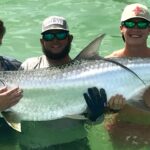
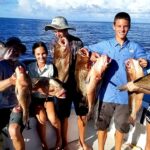
Sleeper Pick: Mangrove Snapper. While most local and visiting anglers are obsessively chasing the glamorous silver kings (Tarpon) or stalking the flats for reds, large mangrove snapper have quietly moved into the residential canals, dock pilings, and the rock piles near the TECO power plant discharge. They provide non-stop action on light tackle, fight with surprising ferocity for their size, and represent some of the finest table fare in the bay.
Baitfish Report: The forage base is incredibly healthy right now. Massive schools of scaled sardines (locally known as pilchards) and threadfin herring are blanketing the grass flats and channel edges. You will often see pelicans diving on these pods early in the morning. Match the hatchβpredatory fish are entirely dialed into this two-to-three-inch profile, so leave the oversized baits in the livewell.
3. TACTICAL STRATEGY
Where to Deploy
For boaters and kayakers launching near Apollo Beach, bypass the barren stretches and target the lush mangrove shorelines heading south toward the Cockroach Bay boundary. Focus specifically on the four-to-eight-foot drop-offs adjacent to the shallow turtle grass flats. These transition zones act as highways for cruising predators.
For land-based anglers, the Apollo Beach Nature Preserve offers excellent shoreline access without the need for a vessel. Work the tidal cuts and moving water past the observation tower. Do not overlook the shaded residential docks nestled within the Apollo Beach canal systems; these man-made structures provide critical shade and ambush points for snook and snapper during the midday heat.
Lure and Bait Selection
Artificials: For lure enthusiasts, a 1/4-ounce chartreuse or unpainted tungsten jig head paired with a 3-inch paddletail is highly effective and allows you to cover the water column efficiently. Early morning calls for surface commotion; topwater walkers like a Heddon Super Spook Jr. or a Rapala Skitter Walk will draw explosive surface strikes from aggressive snook before the sun gets too high.
Color Patterns: Bone, white, or silver for topwater presentations to mimic injured baitfish. For sub-surface soft plastics, utilize "New Penny," rootbeer, or dark natural colors to stand out in tannin-stained waters, especially following heavy afternoon rain runoff.
Live Bait: Live scaled sardines are the undisputed champions of the summer bite. Free-line a lively bait on a 2/0 or 3/0 inline circle hook tied to a 30-pound fluorocarbon leader. If you are pitching baits deep under heavy dock structure or into dense mangrove roots, upgrade to a 40-pound leader to prevent instant break-offs from abrasive barnacles and oysters.
Timing the Bite
The bite is heavily dictated by tidal movement and water temperature. Focus your efforts from first light until approximately 9:30 AM, ideally aligning with a strong incoming tide that flushes clean water over the flats. If you are targeting Tarpon near the deeper channels or passes, the afternoon outgoing "crab tides" surrounding the new and full moons are currently producing double-digit hookups for patient anglers.
Pro Tip: When fishing the mangrove shorelines for redfish, position your vessel up-current and let the tide naturally sweep your free-lined pilchard under the overhanging branches. If you cast directly into the roots, you will likely spook the fish or immediately snag the trees. A natural, current-driven drift is deadly.
Pro Tip: Tie your topwater lures using a non-slip loop knot. This gives the lure a much wider, more erratic "walk-the-dog" action that triggers reactionary strikes from lethargic fish that might otherwise ignore a tight-tied presentation.
4. REGULATIONS SNAPSHOT
Always verify current Florida Fish and Wildlife Conservation Commission (FWC) rules before harvesting, as emergency closures can occur based on red tide or spawning metrics. Here is the current baseline for the Tampa Bay management zone:
Target Species
Season Status
Size Limits
Bag Limits & Notes
Common Snook
Closed (Summer Spawning)
Catch & Release Only
Handle with extreme care; keep fish in the water during unhooking.
Redfish (Red Drum)
Open
18" to 27" Slot Limit
Strictly regulated by zone. Check FWC app for daily local limits.
Mangrove Snapper
Open Year-Round
10" Minimum Overall Length
5 per harvester per day. Pinch the tail for accurate measurement.
Tarpon
Open (No Harvest)
Catch & Release Only
Fish over 40 inches MUST remain in the water at all times by law.
5. REGIONAL ALTERNATIVE
Cockroach Bay Aquatic Preserve
The Backup Plan: If the main waters of Tampa Bay are chopped up from prevailing winds, or if the weekend boat traffic near Apollo Beach becomes too chaotic, make the short drive south to the Cockroach Bay Aquatic Preserve. This sprawling estuarine system offers a labyrinth of protected mangrove islands, secluded backcountry creeks, and pristine grass flats that filter the water and provide refuge from heavy winds.
Tactical Approach: This is a shallow-draft haven, absolutely perfect for kayaks, paddleboards, and technical poling skiffs. Target the deeper mangrove cuts and sandy potholes interspersed throughout the turtle grass using weedless gold spoons or weedless-rigged soft plastic jerkbaits. The water in these shaded, tidal creeks stays slightly cooler than the exposed bay, holding cooperative spotted seatrout and slot-sized redfish even when the primary spots shut down from the heat.
Pro Tip: Stealth is the most critical factor in Cockroach Bay. The water is often gin-clear, and the fish are highly pressured. Shut down your outboard motor well before approaching your chosen spot. Rely on a push pole or use your trolling motor on its absolute lowest setting to avoid sending unnatural pressure waves across the shallow flats. Long, accurate casts will significantly increase your hookup ratio in this pristine environment.
Tight lines!
Editor's Choice: Must-Have Gear
FISHINGSIR Next-Gen Waterproof Chest Waders
β β β β β 4.4 (7,370+ reviews)
2-Ply Tech: Upgraded nylon with 2.5x higher density than standard fabrics.
100% Waterproof: Lab-approved intrusion resistance with taped visible seams.
Ultra-Lightweight: Designed for all-day comfort while hunting or fishing.
As an Amazon Associate I earn from qualifying purchases. #ad
Loading forecast...
Live Fishing Conditions: Tides, Weather & Waves
Get realβtime tides, marine weather, swell and solunar activity for each spot so you know exactly when conditions line up for your best chance at a bite.
π£
Apollo Beach
Loading coordinates...
π€οΈ
WEATHER CONDITIONS
--Β°F
--Β°C
Loading...
π‘οΈ
Feels Like--Β°F--Β°C
π§
Humidity--%
π¨
Wind-- mph-- km/h
π§
Direction--
π
Pressure-- inHg-- hPa
βοΈ
UV Index--
π
MARINE CONDITIONS
πWave Height
-- ft
-- m
Loading...
π§Wave Direction
--Β°
Loading...
β±οΈWave Period
-- s
Loading...
πTide Status
-- ft
-- m
Loading...
π
LUNAR & SOLUNAR
π
Loading...
Illumination: --%
Major Period--:-- - --:----:-- - --:--
Minor Period--:-- - --:----:-- - --:--
π Sunrise--:--
πSunset--:--
π
24-HOUR FORECAST
Loading fishing conditions...
Fishing Spots Map
π£
Book a Fishing Charter near Apollo Beach Fishing Report Today π£
Local guides & charters. Verified captains, instant booking, best price guaranteed.
There was an error loading the map. Please try refreshing the page.
Info
Local Access & Facilities
Apollo Beach: The Strategic Heart of Tampa Bay Fisheries
Apollo Beach serves as a critical tactical waypoint for serious anglers navigating the complex waters of Tampa Bay. Situated strategically on the eastern shoreline, this location offers a unique blend of residential canal access and immediate entry to the deep-water shipping channels that define the region's heavy tackle game. Unlike the manicured tourism hubs across the bay in St. Petersburg, Apollo Beach maintains a more utilitarian, local atmosphere where the focus is squarely on the water. The area is characterized by a mix of deep residential canals, shallow grass flats, and the industrial backdrop that often attracts cobia, tarpon, and sharks to the warm water outflows.For the seasoned captain, the appeal of Apollo Beach lies in its versatility. You are equidistant from the upper bay's sheltered coves and the open water flush of the Gulf of Mexico near Egmont Key. This central positioning allows for dynamic decision-making; when the wind howls from the west, the eastern shoreline provides a lee, allowing for productive days chasing redfish and snook while the rest of the bay is blown out. Conversely, on calm summer mornings, the run to the skyway or the offshore artificial reefs is manageable, making this a prime launchpad for diverse fishing itineraries.The primary target species here reflect the transition zone nature of the fishery. Inshore specialists will find the mangrove shorelines and docks teeming with snook and spotted seatrout, while the deeper cuts hold grouper and snapper. However, the real draw for many pros is the seasonal migration of tarpon and the year-round presence of large jacks and sharks that patrol the channel edges. Understanding the specific logistics of this locationβfrom the nuances of the boat ramps to the strict boundaries of nearby wildlife refugesβis essential for a successful campaign.
π‘ Captain's Tip: Bait Logistics
Local intelligence suggests a scarcity of high-quality live bait shops immediately adjacent to the Apollo Beach ramps. Seasoned skippers know to stop at Sailor Mike's Bait & Tackle on West Gandy Boulevard or Palmetto Bait and Tackle to the south before hitching the trailer. Arriving at the launch with full wells is preferable to scrambling for pinfish in the dark.
Access & Getting There
Reaching Apollo Beach requires navigating the busy corridors of southern Hillsborough County. The primary approach is via U.S. Highway 41, which runs parallel to the eastern shore of the bay. For those trailering heavy boats from outside the immediate area, Interstate 75 provides a high-speed artery, but captains should be wary of the congestion during morning commute hours. The exit onto Big Bend Road can be a bottleneck, so planning your arrival time to avoid the 7:00 AM to 9:00 AM rush is a prudent move for keeping blood pressure low before the lines are even wet.The primary launch facilities in this zone are functional but demand respect. The data indicates a main boat ramp located at latitude 27.7808, approximately one mile from the central reference point. This facility offers trailer parking, which is a critical commodity in the Tampa Bay area. However, the "launch realities" here often involve steep grades and slick concrete at low tide. Captains operating larger center consoles should verify tide charts specifically for the Apollo Beach datum, as negative winter tides can make retrieval difficult at the end of a long day.For those favoring skiffs, kayaks, or technical poling skiffs, a dedicated Canoe/Kayak Launch is situated roughly 3.8 miles south of the main hub, near latitude 27.7437. This secondary access point is vital when the wind direction makes the main ramp choppy or when targeting the southern flats towards the Manatee River. A third ramp option exists slightly further south at latitude 27.7462, offering an alternative if the main lot is at capacity.
π‘ Captain's Tip: The Dawn Patrol Advantage
Parking at the main Apollo Beach ramp fills rapidly, especially during the silver king (tarpon) run and weekend redfish tides. Pros aim to have the hull in the water by 5:30 AM. If you arrive late and find the lot full, the drive to alternative ramps like those near The Vinoy or down in Palmetto can eat up over 45 minutes of prime fishing time.
Weather contingencies play a massive role in launch selection here. The eastern shore of Tampa Bay is exposed to the prevailing westerly sea breezes. When a summer storm front pushes through, the chop at the Apollo Beach ramp can become treacherous for solo launching. In scenarios where the wind is stiff out of the west or northwest, utilizing the more protected launches further south or even trailering across to the St. Petersburg sideβif your itinerary permitsβmight save your equipment from unnecessary abuse.
Apollo Beach Pre-Trip Checklist
Facilities & Amenities
While Apollo Beach itself is a residential stronghold, the supporting infrastructure for anglers requires a bit of travel. The immediate vicinity lacks a "one-stop-shop" marina complex, meaning self-reliance is key. As noted previously, the bait situation requires foresight. Sailor Mike's Bait & Tackle, located about 11 miles away in Tampa, is a reliable outpost for live shrimp, crabs, and terminal tackle. Further south, Palmetto Bait and Tackle (20 miles) serves the anglers coming from the Manatee River area. These shops open early enough for the dawn patrol, but they are not "on the water" stops for this specific launch.For anglers looking to charter local expertise, the area is serviced by several reputable operations. Slay The Bay Fishing Charters, based roughly 11 miles away, and Reel Memories Fishing Charter in Brandon are accessible options. These guides typically specialize in the inshore slam and have intimate knowledge of the residential canals and flats that confuse visiting boaters. If your target is the heavy pelagic action near the mouth of the bay, St. Pete Charters or Treasure Island Fishing Charters across the bridge might be better positioned, though they require a longer drive or boat run to meet.Lodging for the traveling angler varies significantly in style and distance. For a rugged, logistical base, Rallypark in Seffner or the Christian Retreat Campground in Bradenton offer trailer-friendly accommodations. However, for those seeking a high-end experience or a base for a corporate trip, the historic hotels across the bay are legendary. The Vinoy Resort & Golf Club in St. Petersburg is a Mediterranean Revival masterpiece that has hosted captains and tycoons since 1925. It features a marina and top-tier amenities, though it is a 13-mile drive or boat ride from Apollo Beach. Similarly, The Don CeSar, known as the "Pink Palace," offers luxury beachfront access on St. Pete Beach. These locations are listed as "boat access" points in official records, implying they can serve as high-end weigh-in stations or pickup points for charters.The table below details the key facilities and their logistical relevance to the Apollo Beach angler:
Facility Name
Type
Distance
Captain's Logistical Notes
Sailor Mike's Bait & Tackle
Bait/Tackle
11.1 Miles
Opens 6 AM. Primary stop for live bait coming from Tampa.
The Vinoy Resort & Golf Club
Lodging/Marina
13.2 Miles
Historic luxury base. Deep water access. 25 mins from Tampa Int'l Airport.
Cycle Gear (Tampa)
Parking/Retail
20.7 Miles
Listed amenity, useful for trailer tire/gear emergencies in the metro area.
Palmetto Bait and Tackle
Bait/Tackle
20.2 Miles
Opens 6 AM. Best stop if approaching from the south (Bradenton).
The Don CeSar
Lodging
20.4 Miles
"The Pink Palace." Beachfront luxury. Good for family/fishing combo trips.
Permits, Regulations & Fees
Navigating the legal landscape of Tampa Bay is as critical as navigating the shipping channel. The fishery is managed by the State Fishing Agency, and strict adherence to size and bag limits is enforced, particularly for Red Drum and Snook, which have seen fluctuating stocks in recent years. Anglers must possess a valid Florida saltwater fishing license unless fishing aboard a licensed charter.A crucial piece of "negative knowledge" for this area concerns the Pinellas National Wildlife Refuge. Located roughly 18 miles from Apollo Beach, this refuge includes Tarpon Key and is home to the largest brown pelican rookery in Florida. Crucially, Pinellas National Wildlife Refuge is closed to all public use year-round. This means no landing, no hiking, and strict adherence to idle speed zones in the surrounding seagrass beds. The waters around the island are protected to prevent prop scarring; motorized boat activity is heavily restricted in the shallows. Ignorance of these closure zones is not a valid defense, and federal wildlife officers patrol these waters diligently.
π‘ Captain's Tip: The "No-Go" Zone
Do not attempt to land on or approach the islands within the Pinellas National Wildlife Refuge. The closure is absolute to protect nesting bird colonies. Keep your vessel in the channel and use push poles if you find yourself drifting near the boundary markers to avoid hefty federal fines.
Further out at the mouth of the bay lies Egmont Key National Wildlife Refuge. Unlike Pinellas, Egmont Key allows public access but is reachable only by boat. This island has deep historical roots, serving roles in the Seminole Indian Wars, Civil War, and Spanish-American War. While fishing from the shore of Egmont Key is permitted, anglers must respect the cultural heritage sites, including the ruins of Fort Dade. The island is also a refuge for gopher tortoises and nesting sea turtles; disturbing wildlife or walking on dunes is strictly prohibited. Accessing Egmont requires a seaworthy vessel capable of handling the strong currents and chop at the bay's mouth.Additionally, the De Soto National Memorial, located about 22 miles away in Bradenton, marks the historical landing site of Conquistador Hernando de Soto. While primarily a historic site, the surrounding waters are popular for paddling and fishing. Respect for the indigenous history and the "Kapu" (sacred/forbidden) nature of certain historical artifacts is expected of all visitors.
Events & Seasonal Information
The fishing calendar in Apollo Beach is dictated by water temperature and bait migration. The winter months bring negative low tides, requiring extreme caution when navigating the flats and approaching the boat ramp. However, these low tides concentrate fish in the residential canals and the deep holes of the Alafia River nearby. This is the season for sheepshead around the pilings and spotted seatrout on the deeper grass edges.As spring warms the flats, the baitfish return, bringing snook out of their winter dormant zones. The summer months, particularly May through July, are dominated by the "silver king" migration. Tarpon roll in the deep passes near Egmont Key and under the Sunshine Skyway Bridge. This is tournament season, and the boat traffic increases exponentially. The Egmont Key area becomes a focal point for anglers chasing the migratory push.Captains should also be aware of the daily weather rhythm. In the warmer months, the trade winds and sea breeze typically pick up around 10:00 AM or 11:00 AM, turning the open bay into a washing machine. The savvy angler launches at dawn, fishes the open water early, and retreats to the protected canals or leeward shorelines of the eastern bay by midday.
Contact Information & Resources
For precise regulatory updates and safety information, anglers should consult the managing agencies directly. The Pinellas and Egmont Key National Wildlife Refuges are managed by the U.S. Fish and Wildlife Service, reachable at 352-563-2088 or via email at crystalriver@fws.gov. For historical site information at De Soto National Memorial, the National Park Service can be contacted at (941) 792-0458.Safety on the water is paramount. Tampa Bay is a major commercial shipping port; recreational vessels must yield to large ships in the channels. Always carry VHF radios, as cell service can be spotty near the mouth of the bay. In case of emergency, the Coast Guard monitors Channel 16.For precise locations, real-time wind conditions, and detailed bathymetry of the channels discussed, consult the live dashboard and interactive maps below.
Our spot reports combine data-driven forecasts with curated local information. The forecast is generated by our proprietary Fishing Score algorithm (0β100%), which analyzes real-time data from Open-Meteo API, validated against NOAA CO-OPS tide gauges and USGS water-monitoring stations. The model weights tide dynamics (35%), wave energy (25%), wind patterns (20%) and time of day (20%)βfactors shown to influence fish feeding behavior through marine-biology research and decades of charter log data.
Access, facilities and services information for each fishing spot is sourced from official datasets such as Recreation.gov (RIDB), state park & wildlife agencies, and geospatial providers like Google Maps. These sections undergo scheduled re-validation every 3β6 months to ensure that boat ramps, park access, contact details and local services remain accurate.
Narrative sections (catches, seasonal behavior, local tips) are synthesized from these data sources and refined following the Fishing Reports Today editorial guidelines, combining bibliographic research from ichthyology and oceanography with expert angler experience. Our team reviews reports on a regular basis, while the forecast model itself updates every 6 hours for real-time accuracy.
β οΈ Important: Always verify current local regulations, access restrictions and weather conditions before fishing. These reports are intended as a planning aid, not a guarantee of catches or safety. When in doubt, contact local authorities or park managers listed on the page.
To provide the best experiences, we use technologies like cookies to store and/or access device information. Consenting to these technologies will allow us to process data such as browsing behavior or unique IDs on this site. Not consenting or withdrawing consent, may adversely affect certain features and functions.
Functional Always active
The technical storage or access is strictly necessary for the legitimate purpose of enabling the use of a specific service explicitly requested by the subscriber or user, or for the sole purpose of carrying out the transmission of a communication over an electronic communications network.
Preferences
The technical storage or access is necessary for the legitimate purpose of storing preferences that are not requested by the subscriber or user.
Statistics
The technical storage or access that is used exclusively for statistical purposes.The technical storage or access that is used exclusively for anonymous statistical purposes. Without a subpoena, voluntary compliance on the part of your Internet Service Provider, or additional records from a third party, information stored or retrieved for this purpose alone cannot usually be used to identify you.
Marketing & Affiliates
The technical storage or access is required to create user profiles to send advertising, or to track the user on a website or across several websites for similar marketing purposes, including affiliate tracking for products recommended in our reports.
Leave a Reply