Dry Tortugas National Park: Fall Transition Fishing Report
Welcome to the final frontier of Florida Keys fishing. As the sweltering heat of summer begins to break, the fall transition at Dry Tortugas National Park offers some of the most spectacular, unpressured bottom fishing in the country. The 70-mile run west of Key West weeds out the casual anglers, leaving the pristine coral heads, deep ledges, and historic shoals to those prepared for a serious offshore expedition. Here is your comprehensive tactical guide to conquering the Tortugas this season.
1. GO/NO-GO STATUS
VERDICT: GO - WITH CAUTION
The current seasonal transition provides excellent fishing conditions, earning a solid "GO" status, provided you respect the weather. Fall in the Gulf of Mexico means monitoring the tropics is mandatory. The crossing from Key West involves navigating the Quicksands and Rebecca Shoal, where conflicting currents and brisk autumn winds can stack up treacherous seas. You need a seaworthy center console, reliable power, and a pristine weather window. If the forecast calls for light winds, you can make the run at sunrise, capitalize on the phenomenal bottom bite, and be back at the docks by dusk. If the winds push past 15 knots, do not force the crossing.
From the editor
Tired of fishing with strangers you can’t trust?
Nautrek is the first social network for serious anglers — verified partners, real trips, cost splitting and intel sharing without burning your spots. Private beta now open.
The cooling waters of the fall season trigger aggressive feeding patterns along the patch reefs and deep drop-offs surrounding the park.
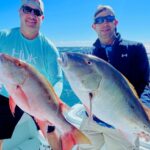
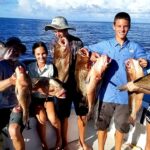
Primary Target: Red Grouper and Mutton Snapper. These bottom-dwelling heavyweights are the main draw. As water temperatures slowly drop, both species begin pushing slightly shallower, making them accessible on scattered hard bottom and coral heads.
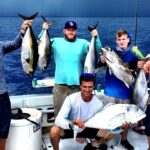
Sleeper Pick: Mangrove Snapper. While anglers are dropping massive baits for Goliath or Red Grouper, they often bypass the massive schools of Mangrove Snapper currently congregating around the reef systems. These fish are aggressive right now and offer phenomenal table fare.
Baitfish Report: The area is currently holding solid numbers of pinfish, pilchards, and massive schools of ballyhoo. Matching this forage is critical for the pelagic species passing through, while bottom dwellers are actively scavenging for crustaceans and smaller reef fish.
Pro Tip:When marking bait schools on your sonar over hard bottom, anchor up-current and deploy a chum hoop. If the bait is present, the predators are directly underneath them.
3. TACTICAL STRATEGY
To succeed in the Tortugas, you must abandon generic tactics and fish with pinpoint precision. The Gulf currents dictate everything you do here.
Where to Deploy
Focus your efforts on the scattered hard bottom in the 50 to 80-foot range just outside the park's protected zones, or drift the deeper ledges dropping from 180 to 250 feet west of Loggerhead Key. Rebecca Shoal is also a prime ambush point. If you are fishing within the permitted 2-mile diameter bubble around Garden Key, target the edge of the channel drop-offs, taking care to stay out of the swimming and snorkeling zones.
Lure and Bait Selection
For the deep ledges (180ft+), heavy metal is your best friend. Utilize 200 to 250-gram slow pitch jigs to punch through the current. For shallower snapper action, employ a 1/2 oz to 1 oz knocker rig to keep your bait pinned near the structure.
Color Patterns
In the gin-clear waters of the shallows, natural presentations are non-negotiable. Use fluorocarbon leaders and unpainted hooks. For deep-water jigging, glow-in-the-dark, luminescent pink, and chartreuse patterns are highly effective at drawing reaction strikes from grouper in low-light depths.
Bait Rigging
For monster Red Grouper, send down a live pinfish on a heavy 80-pound fluorocarbon leader. Hook the pinfish through the upper lip to keep it swimming naturally in the current. For Yellowtail and Mutton Snapper, free-line fresh bonito strips or whole squid on a lighter 30-pound leader. Let the bait drift back naturally into your chum slick.
Timing the Bite
The bite is heavily tide-dependent. The most aggressive feeding windows occur during the first two hours of a falling tide. Early morning dawn patrols yield the best topwater and shallow reef action, while the deep-drop grouper bite remains consistent through the midday hours as long as the current isn't ripping too hard to hold bottom.
Pro Tip:When the current is howling and you cannot hold bottom with a 2-pound weight, do not waste time fighting it. Move to a shallower coral head in the 40-foot range and switch to free-lining baits until the tide slacks.
4. REGULATIONS SNAPSHOT
Dry Tortugas National Park enforces some of the strictest marine regulations in the state to protect its pristine ecosystem. Ignorance of the boundaries will result in hefty fines.
Regulation Category
Current Rules & Restrictions
Research Natural Area (RNA)
Almost half the park is designated as an RNA where absolutely NO FISHING or anchoring is permitted. You must have GPS coordinates to ensure you are outside this zone.
Garden Key Exceptions
A specific 2-mile diameter fishing area exists around Garden Key. Fishing is permitted here, except in designated swimming areas or coral protection zones.
Gear Restrictions
Spearfishing and lobstering are strictly prohibited. All spearfishing gear must be disassembled and stowed while in park waters. "J" hooks are banned; you MUST use circle hooks.
Licensing
A valid Florida Saltwater Fishing License is required for anglers between 16 and 65. No special National Park permit is needed for fishing, but private boaters must file a boat permit at Garden Key.
5. REGIONAL ALTERNATIVE
If the wind forecast shows anything over 15-20 knots, the 70-mile open-water crossing to the Tortugas becomes dangerous and unfishable. Your premier backup plan is the Marquesas Keys, located roughly 20 miles west of Key West.
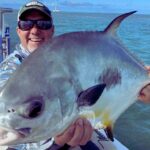
The Marquesas offer a ring of mangrove islands that provide excellent lee protection from stiff autumn winds. Instead of deep-dropping for grouper, shift your focus to the shallow flats and backcountry channels. The fall season provides incredible sight-fishing opportunities for late-season Tarpon, massive schools of Bonefish, and cruising Permit. Scale down your tackle to 10 to 15-pound spinning gear, rig up with live silver crabs or medium shrimp, and pole the ocean-side flats where the sargassum weed lines meet the clear water. It is a world-class fishery that keeps you safely within range of the Key West harbor.
Tight lines!
Editor's Choice: Must-Have Gear
FISHINGSIR Next-Gen Waterproof Chest Waders
★★★★★4.4 (7,370+ reviews)
2-Ply Tech: Upgraded nylon with 2.5x higher density than standard fabrics.
100% Waterproof: Lab-approved intrusion resistance with taped visible seams.
Ultra-Lightweight: Designed for all-day comfort while hunting or fishing.
As an Amazon Associate I earn from qualifying purchases. #ad
Loading forecast...
Live Fishing Conditions: Tides, Weather & Waves
Get real‑time tides, marine weather, swell and solunar activity for each spot so you know exactly when conditions line up for your best chance at a bite.
🎣
Dry Tortugas National Park
Loading coordinates...
🌤️
WEATHER CONDITIONS
--°F
--°C
Loading...
🌡️
Feels Like--°F--°C
💧
Humidity--%
💨
Wind-- mph-- km/h
🧭
Direction--
📊
Pressure-- inHg-- hPa
☀️
UV Index--
🌊
MARINE CONDITIONS
🌊Wave Height
-- ft
-- m
Loading...
🧭Wave Direction
--°
Loading...
⏱️Wave Period
-- s
Loading...
📈Tide Status
-- ft
-- m
Loading...
🌙
LUNAR & SOLUNAR
🌕
Loading...
Illumination: --%
Major Period--:-- - --:----:-- - --:--
Minor Period--:-- - --:----:-- - --:--
🌅Sunrise--:--
🌇Sunset--:--
📅
24-HOUR FORECAST
Loading fishing conditions...
Fishing Spots Map
🎣
Book a Fishing Charter near Dry Tortugas National Park Fishing Report Today 🎣
Local guides & charters. Verified captains, instant booking, best price guaranteed.
There was an error loading the map. Please try refreshing the page.
Info
Local Access & Facilities
For the serious angler, Dry Tortugas National Park represents the ultimate frontier of Florida fishing. Located almost 70 miles west of Key West, this remote fishery is not a casual day trip; it is a logistical commitment that rewards preparation with access to pristine waters, superlative coral reefs, and a level of isolation rarely found in the continental United States. The park spans 100 square miles of mostly open water, anchored by seven small islands and the massive, unfinished masonry structure of Fort Jefferson on Garden Key.
The atmosphere here is defined by its rugged isolation and historical gravity. The stark contrast between the red brick of the largest masonry structure in the Americas and the brilliant turquoise waters creates a backdrop unlike any other. This is not a manicured marina environment; it is a wild, open-ocean destination where self-reliance is paramount. While the park is famous for bird life and the historic Carnegie Laboratory for Marine Ecology site on Loggerhead Key, anglers know it for the rich marine life patrolling the shoals and the hundreds of shipwrecks scattered across the bottom topography.
Because of its distance from the mainland, the Dry Tortugas acts as a sanctuary for marine species. The fishing here is managed strictly, but for those willing to make the long haul across the Florida Straits, the experience offers a glimpse into a marine ecosystem that has seen relatively minimal human impact compared to the rest of the Keys. Whether you are targeting reef dwellers near the Windjammer Wreck or patrolling the deeper channels, this location demands respect for both the ocean and the history preserved within it.
Access & Getting There
Reaching the Dry Tortugas is a significant undertaking that requires navigating approximately 70 miles of open water from Key West. There are no roads, bridges, or causeways connecting these islands to the mainland. For private vessel captains, this means a long run across the straits. The primary destination for boaters is Garden Key, home to the park headquarters and the main harbor area. Navigation requires careful attention to charts, as the area is riddled with shoals and coral heads that have claimed over 300 ships throughout history.
💡 Captain's Tip: The Fuel Equation
There is absolutely no fuel available at the Dry Tortugas. Captains must calculate their range conservatively, accounting for a 140-mile round trip plus loiter time, generator usage, and potential rough seas that can degrade fuel efficiency. If you cannot make the round trip with a healthy safety margin, do not attempt the crossing.
For those not running their own hulls, access is limited to the daily concession ferry, authorized charter boats, or seaplane services. The ferry and seaplanes are strictly for transport and sightseeing, meaning serious anglers looking to fish the waters freely usually arrive by private boat. If you are arriving by private vessel, you must file a boat permit at the Garden Key Visitor Center immediately upon arrival. The docks at Garden Key are available for loading and unloading, but specific slip availability can be limited and is generally first-come, first-served for short-term use.
Weather is the primary gatekeeper of this fishery. The crossing from Key West can be treacherous when winds oppose the current or during winter frontal passages. Because the park is mostly open water, there is little lee to be found once you leave the shelter of the Marquesas Keys until you reach the fort. It is critical to monitor marine forecasts for the entire Florida Straits, not just the destination. In high winds, the anchorage areas around the fort can become uncomfortable, though they offer the best protection available in the immediate area.
Dry Tortugas National Park Pre-Trip Checklist
Facilities & Amenities
The defining characteristic of the facilities at Dry Tortugas is their scarcity. This is a "pack in, pack out" location in the truest sense. There is no fresh water, no ice, no food service, and no fuel dock available to the public. The Garden Key Visitor Center, located inside Fort Jefferson, houses a small bookstore and souvenir shop, but it does not stock fishing tackle, bait, or provisions. Anglers must be completely self-sufficient for the duration of their stay.
Despite the lack of commercial amenities, the park offers unique infrastructure for those prepared to use it. The Garden Key Campground provides a primitive but spectacular overnight option. It is located just a short walk from the public dock and piers. The campground operates on a first-come, first-served basis. However, a critical piece of local knowledge is the park's overflow policy: in the event that regular campsites are full, an overflow area is made available. The park service states that campers arriving by boat will not be turned away once they have made the 70-mile journey, ensuring you have a place to stay even if the main sites are taken.
Facility Name
Type
Key Notes
Garden Key Campground
Accommodation
Primitive sites. Bring all water/food. Tables & grills provided.
Garden Key Visitor Center
Information
Located inside Fort Jefferson. Bookstore & orientation.
South Coaling Dock Ruins
Point of Interest
Historic structure near the main anchorage area.
Public Restroom
Sanitation
Composting toilets available near the campground/dock area.
💡 Captain's Tip: Trash Management
There are no trash bins or collection services on the island. You are legally required to carry out all trash and garbage upon departure. Plan your provisioning to minimize waste, as you will be hauling every wrapper, bottle, and line scrap back to Key West with you.
For lodging beyond camping, there are no hotels or rental units. The "accommodation" reality here is either a tent on the ground or a bunk on your boat. The campground provides picnic tables and grills, but you must bring charcoal or gas. The isolation means that if a piece of gear breaks, there is no West Marine or bait shop to save the day. Redundancy in tackle and engine parts is standard operating procedure for captains running this route.
Permits, Regulations & Fees
Fishing within the Dry Tortugas National Park is subject to a complex overlay of state and federal regulations designed to protect the coral reef ecosystem. While fishing is generally allowed, it is managed by the State Fishing Agency and specific park rules. A boat permit is required for all private vessels entering the park waters. This is distinct from a fishing license; it is an entry permit for the vessel itself. You can obtain this at the Garden Key headquarters.
The park includes specific zones where fishing may be restricted or prohibited to protect historical artifacts and marine life. For example, the area around the Garden Key Harbor and specific swim zones may be off-limits to hooks. The park is home to the Windjammer Wreck and other submerged cultural resources; anchoring on or fishing directly into these historic structures is often regulated to prevent damage. Always consult the current park map and regulations provided at the Visitor Center upon arrival.
Camping fees are currently set at $15 per night per campsite. This is a self-service fee area, so bring exact cash or a check. Holders of the Golden Age or Golden Access Pass are eligible for a 50% discount. It is important to note that fees paid for ferry transportation do not cover camping; these are separate costs. While no specific fishing permit beyond a standard Florida saltwater license is usually required, always verify current "Kapu" (restrictions) or protected zones, as regulations can shift to protect spawning aggregations or recovering reef tracts.
Events & Seasonal Information
The rhythm of the Dry Tortugas is dictated by the sun and the wind. The park is open 24 hours, allowing for overnight anchoring and camping. The most popular season for boaters is typically late spring through summer, when the winds in the Florida Straits are calmest, making the crossing more manageable. Winter brings regular cold fronts that can churn the 70-mile gap into a dangerous passage for small craft.
While there are no commercial fishing tournaments hosted directly on the island due to its National Park status, the area is a legendary waypoint for anglers during the seasonal pelagic migrations. The "event" here is the daily cycle of nature. Sunsets at Fort Jefferson are renowned as some of the best in the keys, offering a breathtaking view as the sun drops below the open horizon. For those diving or snorkeling, the summer months offer the clearest water and the best visibility for exploring the moat wall or the nearby patch reefs.
💡 Captain's Tip: The Dawn Patrol
The wind often picks up by mid-morning. Seasoned skippers know to plan their crossing or their run to the outer fishing grounds for the earliest light. By 10:00 AM, the trade winds can stiffen, making the open water chop uncomfortable for drifting or anchoring on the exposed reefs.
Contact Information & Resources
The primary managing agency is the National Park Service. Reliable communication is a safety necessity here; cell phone coverage is non-existent to spotty at best. VHF radio is the standard for local communication, but a satellite phone or EPIRB is essential for the crossing.
Emergency: Coast Guard Sector Key West (VHF Channel 16)
In an emergency, help is far away. Self-reliance cannot be overstated. Ensure your vessel is equipped with proper safety gear, signaling devices, and medical supplies before leaving the dock in Key West.
For precise locations of the anchorage zones, nearby wrecks, and real-time marine weather conditions, consult the live dashboard and interactive maps below.
Our spot reports combine data-driven forecasts with curated local information. The forecast is generated by our proprietary Fishing Score algorithm (0–100%), which analyzes real-time data from Open-Meteo API, validated against NOAA CO-OPS tide gauges and USGS water-monitoring stations. The model weights tide dynamics (35%), wave energy (25%), wind patterns (20%) and time of day (20%)—factors shown to influence fish feeding behavior through marine-biology research and decades of charter log data.
Access, facilities and services information for each fishing spot is sourced from official datasets such as Recreation.gov (RIDB), state park & wildlife agencies, and geospatial providers like Google Maps. These sections undergo scheduled re-validation every 3–6 months to ensure that boat ramps, park access, contact details and local services remain accurate.
Narrative sections (catches, seasonal behavior, local tips) are synthesized from these data sources and refined following the Fishing Reports Today editorial guidelines, combining bibliographic research from ichthyology and oceanography with expert angler experience. Our team reviews reports on a regular basis, while the forecast model itself updates every 6 hours for real-time accuracy.
⚠️ Important: Always verify current local regulations, access restrictions and weather conditions before fishing. These reports are intended as a planning aid, not a guarantee of catches or safety. When in doubt, contact local authorities or park managers listed on the page.
To provide the best experiences, we use technologies like cookies to store and/or access device information. Consenting to these technologies will allow us to process data such as browsing behavior or unique IDs on this site. Not consenting or withdrawing consent, may adversely affect certain features and functions.
Functional Always active
The technical storage or access is strictly necessary for the legitimate purpose of enabling the use of a specific service explicitly requested by the subscriber or user, or for the sole purpose of carrying out the transmission of a communication over an electronic communications network.
Preferences
The technical storage or access is necessary for the legitimate purpose of storing preferences that are not requested by the subscriber or user.
Statistics
The technical storage or access that is used exclusively for statistical purposes.The technical storage or access that is used exclusively for anonymous statistical purposes. Without a subpoena, voluntary compliance on the part of your Internet Service Provider, or additional records from a third party, information stored or retrieved for this purpose alone cannot usually be used to identify you.
Marketing & Affiliates
The technical storage or access is required to create user profiles to send advertising, or to track the user on a website or across several websites for similar marketing purposes, including affiliate tracking for products recommended in our reports.


Leave a Reply