0%

Fernandina Beach Fishing Report Today 🎣

1 year ago · Updated 2 weeks ago

Go/No-Go Status

Verdict: GO

The fall transition is in full swing across Northeast Florida, making Fernandina Beach a premier destination for coastal anglers right now. As water temperatures slowly dial back from their late-summer peaks, we are seeing a massive influx of forage pushing through the sounds and tidal rivers. The cooling water acts as a dinner bell for local gamefish, triggering aggressive feeding patterns as they look to pack on weight before winter.

From a safety and weather standpoint, conditions are highly favorable, though anglers must remain vigilant regarding typical autumn wind patterns. Northeast blows can occasionally churn up the surf and make the outside of the jetties treacherous for small vessels. When the wind kicks up, you will want to tuck into the protected backwaters of the Intracoastal Waterway (ICW) or the upper reaches of the tidal rivers. Pay close attention to the lunar cycle as well; full and new moons this time of year create extreme tidal swings, pushing water deep into the marsh grass and creating phenomenal flood-tide opportunities for skinny-water sight casting.

From the editor

Tired of fishing with strangers you can’t trust?

Nautrek is the first social network for serious anglers — verified partners, real trips, cost splitting and intel sharing without burning your spots. Private beta now open.

Join the Waitlist — Free → 100+ anglers on the list
Nautrek App

Species Intel

Primary Targets: Redfish and Spotted Seatrout

Redfish are currently stealing the show, offering a two-tiered fishery. In the shallows and along the ICW grass lines, slot-sized reds are aggressively hunting crabs and baitfish. Meanwhile, the deep-water drops and inlets are holding massive "bull" reds—some pushing the fifty-pound mark—that have moved in to spawn. Spotted Seatrout are running a close second, staging along grass edges, oyster bars, and deeper river drop-offs, waiting to ambush passing bait schools.

Sleeper Pick: Southern Flounder

While the glory often goes to tailing redfish and topwater-smashing trout, the flounder bite is exceptional right now and largely ignored by the casual weekend fleet. These flatfish are migrating toward the ocean to spawn, stacking up heavily around inlet choke points, jetty rocks, and deep-water docks. Anglers willing to slow down and meticulously pick apart the bottom structure are being rewarded with doormat-sized catches.

Baitfish Report

This is a tale of two distinct forage bases. If you are fishing the ICW, the inlets, or the beaches, finger mullet are the absolute dominant bait source. You will see them nervously pushing water along the shorelines. However, if you travel further west up the tidal rivers, the fall shrimp spawn is in high gear, making live shrimp or crustacean imitations your best bet. We are also seeing decent numbers of small croakers in the deeper channels, which are prime candy for oversized bull reds.

Tactical Strategy

  • Where: For trophy bull reds, set up on the deep-water drops at the St. Marys Jetties or the deep holes in Nassau Sound. For inshore action, target the grass edges and dock pilings along the ICW, or make the run down to the Broward Island drop-offs. When hunting flounder, focus on the eddies behind the jetty rocks or the deep water near the Nassau Sound bridge pilings.
  • Lure: For shallow redfish, throw a 1/4-ounce weedless jig head paired with a 4-inch soft plastic paddletail. For early morning trout, a walk-the-dog style topwater plug (like a Zara Spook) is highly effective. When targeting flounder, slowly drag a Berkley Gulp Shrimp on a 1/4-ounce jig head.
  • Color: In the stained water of the back bays, stick to high-contrast colors like Rootbeer, New Penny, or Gold. For clearer water near the inlets, a clear curly tail grub with blue glitter is currently crushing the seatrout.
  • Bait: If you are soaking bait for bull reds, use a fish-finder rig consisting of a 4-to-6-ounce bank sinker, a short 100-pound fluorocarbon shock leader, and a 7/0 circle hook threaded with cut mullet or a live 4-to-6-inch croaker. For inshore slot fish, pitch live mud minnows or finger mullet up against the grass lines, or suspend a live shrimp under a popping cork.
  • Timing: The last two hours of the incoming tide and the first two hours of the falling tide are producing the most consistent bites across the board. The falling tide is especially critical for flounder, as bait is sucked out of the safety of the marsh and funneled directly into their strike zones.

Pro Tip: When fishing for bull reds in heavy current, keep your bait dead on the bottom. If your bait is spinning or lifting off the sand, increase your sinker weight. Big reds are lazy scavengers in fast water and will not expend the energy to chase a bait that isn't pinned to the floor.

Pro Tip: Sight-fishing for redfish requires reading their body language. Always cast well ahead of a cruising fish's trajectory. If you drop a lure directly on its head in shallow water, the fish will spook and blow out the entire school.

Regulations Snapshot

Note: Always verify current Florida Fish and Wildlife Conservation Commission (FWC) regulations before harvesting fish, as rules are subject to change.

SpeciesRegion/ZoneSlot/Size LimitBag LimitSpecial Notes
Spotted SeatroutNortheast Region15" - 19"3 per person/dayOpen year-round. Zero over-slot fish allowed in this region.
Red Drum (Redfish)Northeast Region18" - 27"1 per person/dayAll fish over 27 inches (bull reds) must be released safely.
FlounderStatewide14" minimum5 per person/dayStrict Closure: Recreational harvest is completely closed from October 15 through November 30. Catch-and-release only during this window.

Regional Alternative

If a stiff northeast wind blows out the St. Marys Jetties and makes the open waters of Nassau Sound too choppy to fish comfortably, do not cancel your trip. Instead, pivot your strategy and head west up the St. Marys River or the Nassau River. These twisting, tree-lined waterways offer excellent protection from coastal gales.

The salinity levels in the lower reaches of these rivers are plenty high enough to hold healthy populations of redfish, trout, and black drum. Focus your efforts on the outside bends of the rivers where the current has carved out deep, undercut banks. Fallen timber and laydowns in these zones create perfect current breaks for gamefish. Switch your bait profile from mullet to live shrimp or fiddler crabs, as crustaceans make up the bulk of the forage in these brackish transition zones. Pitch your baits tight to the wood structure and hold on, as extracting a broad-shouldered redfish from a sunken tree requires heavy tackle and quick reflexes.

Pro Tip: When fishing the upper rivers after a heavy rain event, look for the distinct mud lines where dirty runoff meets cleaner incoming tide water. Predators will stack up on the clean side of this seam, using the murky water as a visual wall to trap disoriented baitfish.

Tight lines!

Editor's Choice: Must-Have Gear

FISHINGSIR Next-Gen Waterproof Chest Waders

★★★★★ 4.4 (7,370+ reviews)
  • 2-Ply Tech: Upgraded nylon with 2.5x higher density than standard fabrics.
  • 100% Waterproof: Lab-approved intrusion resistance with taped visible seams.
  • Ultra-Lightweight: Designed for all-day comfort while hunting or fishing.
Check Availability on Amazon

✓ Amazon's Choice | 100+ bought last month

🛒 Tactical Gear for this Spot

Bandit Walleye Deep

Mandatory for reaching deep schools in 35-50ft mud flats.

Check Price on Amazon #ad

As an Amazon Associate I earn from qualifying purchases. #ad

Loading forecast...

Live Fishing Conditions: Tides, Weather & Waves

Get real‑time tides, marine weather, swell and solunar activity for each spot so you know exactly when conditions line up for your best chance at a bite.

🎣

Fernandina Beach

Loading coordinates...

🌤️

WEATHER CONDITIONS

Weather
-- °F
--°C

Loading...

🌡️
Feels Like --°F --°C
💧
Humidity --%
💨
Wind -- mph -- km/h
🧭
Direction --
📊
Pressure -- inHg -- hPa
☀️
UV Index --
🌊

MARINE CONDITIONS

🌊 Wave Height
-- ft
-- m
Loading...
🧭 Wave Direction
--°
Loading...
⏱️ Wave Period
-- s
Loading...
📈 Tide Status
-- ft
-- m
Loading...
🌙

LUNAR & SOLUNAR

🌕

Loading...

Illumination: --%

Major Period --:-- - --:-- --:-- - --:--
Minor Period --:-- - --:-- --:-- - --:--
🌅 Sunrise --:--
🌇 Sunset --:--
📅

24-HOUR FORECAST

Loading fishing conditions...

Fishing Spots Map

🎣
Book a Fishing Charter near Fernandina Beach Fishing Report Today 🎣

Local guides & charters. Verified captains, instant booking, best price guaranteed.

See Available Trips →

My location
Loading map...

Local Access & Facilities

The Strategic Gateway: Fernandina Beach and the Cumberland Sound

Fernandina Beach represents a unique intersection of developed maritime infrastructure and raw, unblemished wilderness. Situated on Amelia Island, it serves as the primary civilized staging ground for anglers targeting the expansive Cumberland Sound and the pristine waters of the Cumberland Island National Seashore just across the state line in Georgia. For the expert angler, this location offers a stark duality: the convenience of a historic harbor town with deep-water access and the logistical challenge of fishing one of the Atlantic Coast's last undeveloped barrier islands. The atmosphere here shifts rapidly from the bustling, manicured docks of the marina district to the silent, moss-draped maritime forests and salt marshes that line the St. Marys River.

The fishery is defined by its diversity of structure, ranging from the deep channels of the St. Marys entrance—where nuclear submarines transit—to the shallow, winding tidal creeks of the Timucuan Ecological & Historic Preserve to the south. Seasoned captains know that this is not merely a "park and fish" destination; it requires an understanding of complex access rules, particularly if you intend to exploit the productive waters surrounding the National Seashore. The bottom topography varies from sandy shoals shifting with the Atlantic tides to the mud-bottomed creeks holding redfish and trout. The primary draw for many pros here is the ability to launch heavy center consoles for offshore runs while having immediate access to miles of backcountry water that sees relatively little pressure compared to southern Florida.

Understanding the logistical layout is paramount. While Fernandina Beach offers standard amenities, the adjacent Cumberland Island operates under strict wilderness protocols. There are no stores, no fuel docks, and no trash cans on the island itself. Anglers planning multi-day trips involving the island must be entirely self-sufficient. Whether you are running a skiff into the backcountry of Brickhill River or launching a larger vessel for the inlet, success here depends on navigating the gap between the amenities of the city and the "Kapu" (restricted/sacred) nature of the protected reserves.

💡 Captain's Tip: Power Management

If you are camping or making landfall on Cumberland Island, be aware that electricity is scarce. Charging is only available at the Sea Camp Ranger Station and specific developed campgrounds. Pros keep phones on airplane mode to reserve battery power for navigation and emergencies, as there are no other power sources once you head north of Sea Camp.

Access & Getting There

Accessing the prime fishing grounds of Fernandina Beach and the surrounding reserves requires a strategic approach to traffic and tides. The primary overland route into the area is via Interstate 95. Anglers towing trailers should take Exit 3 and head east on Highway 40, which becomes Osborne Road. This route leads directly into historic St. Marys, the gateway for the ferry system, or south toward the Fernandina harbor. Traffic on Highway 40 is generally manageable, but the final approach into the historic waterfront districts can become congested during mid-day, particularly on weekends. Plan your arrival for early morning to avoid the tourist bottleneck.

For those launching private vessels, the area offers several boat access points. The JSON data indicates three primary boat ramps in the immediate vicinity of the spot coordinates, though they are unnamed in the dataset. Local reconnaissance reveals that the public ramps in this region generally accommodate trailer parking, but availability tightens significantly after 7:00 AM. If you are utilizing the Cumberland Island Ferry for transport—perhaps for a surf fishing expedition—you must navigate to the Mainland Visitor Center at 113 St. Marys Street West. Note that the ferry does not transport vehicles. This is a passenger-only service, meaning all gear must be carried by hand or cart.

Weather contingencies are critical in this transition zone between open ocean and marsh. When the Atlantic trade winds blow from the northeast, the inlet and beachfronts become treacherous. In these conditions, smart captains retreat to the leeward side of Cumberland Island or the protected waters of the Timucuan Preserve. The ferry service itself is subject to cancellation during inclement weather. If you are relying on the ferry to reach the island's surf, be aware that operations pause on Tuesdays and Wednesdays from December through February, potentially stranding the unprepared angler.

Parking requires a tactical approach. For day trips in Fernandina, the Public Parking Lot on Alachua Street is a reliable option, located just 1,001 feet from the main hub. It is open 24 hours, making it ideal for dawn patrol launches. It holds a high rating of 4.9 stars, indicating safety and accessibility. For those heading to the island via St. Marys, the Cumberland Island NS Visitor Parking is located one block west of the visitor center. While generally safe, long-term parking for multi-day camping trips should be treated with standard precautions: lock your vehicle and remove valuables from sight.

💡 Captain's Tip: Ferry Logistics

If utilizing the Cumberland Island Ferry, check-in is mandatory at the Mainland Visitor Center at least 30 minutes prior to departure. The ferry does not wait. Also, carts and wheeled coolers are strictly prohibited north of the Sea Camp Campground, so pack light if you plan to hike to the remote surf spots at Stafford Beach.

Fernandina Beach Pre-Trip Checklist

Facilities & Amenities

The infrastructure around Fernandina Beach is robust, but the specialization of services varies. Anglers should not expect a "one-stop-shop" for every need, especially regarding specialized tackle. Amelia Island Bait & Tackle, located approximately 2 miles from the center at 1925 S 14th St, is the primary hub for local intelligence and fresh bait. They open at 6:30 AM on weekdays and 6:00 AM on weekends, catering specifically to the early-morning crowd. For those needing gear rentals or beach-specific setups, Cleansweep Beach Fishing Rentals is located 2.7 miles away on 1st Avenue and operates 24 hours, a rare convenience for night surf anglers.

The charter fleet in this region is distinguished but spread out. While many operators are based in nearby Jacksonville or Atlantic Beach (roughly 19-24 miles south), their range often includes the Cumberland Sound. North Florida Fishing Charters and Team Buck Rogers Fishing Charters are highly rated operations known for targeting both inshore species and offshore pelagics. If you are looking for a guide who understands the intricate marsh systems, booking well in advance is recommended, as the top-tier captains are often reserved weeks out.

A critical piece of "negative knowledge" for this area concerns the Cumberland Island wilderness. Once you depart the mainland, you are on your own. There are no stores, no restaurants, and no ice available on the island. The water at wilderness sites like Hickory Hill and Yankee Paradise is non-potable and must be treated or filtered. Potable water is only available at designated spots like Sea Camp. Anglers accustomed to grabbing a bag of ice or a sandwich at a marina mid-day will find themselves out of luck here. You must launch fully provisioned.

Lodging options cater to different styles of engagement. For the hardcore outdoor enthusiast, the Sea Camp Campground offers the most immersive experience, placing you directly on the water with cold water showers and cell charging stations. For those towing RVs, Eagle Hammock RV Park (8.8 miles away) and C & C RV Park (14 miles away) provide full hookups and 5-star rated facilities. Destination Sunset Campsite & Fish Camp, roughly 10 miles away, offers a more rustic, angler-centric atmosphere closer to the Jacksonville backwaters.

Key Local Businesses

Facility NameTypeDistance & LocationNotes
Amelia Island Bait & TackleBait & Tackle2.0 miles (Fernandina Beach)Opens 6:00 AM weekends. Key spot for live bait.
Cleansweep Beach Fishing RentalsRental/Gear2.7 miles (Fernandina Beach)Open 24 Hours. Ideal for surf fishing gear.
Public Parking LotParking1001 ft (Alachua St)Open 24 Hours. 4.9-star safety rating.
Seaworx FishingBait Shop24.1 miles (Jacksonville)Open 8am-5pm M-F. Distance option for south approaches.

Permits, Regulations & Fees

Fishing and boating in this border region requires navigating a complex overlay of state and federal jurisdictions. Since the waters encompass both Florida and Georgia, as well as federal park lands, compliance is strictly enforced. The Cumberland Island National Seashore mandates a specific camping permit for any overnight stay. These permits must be reserved in advance, particularly for the popular Sea Camp and Stafford Beach sites. Cancellations made less than 10 days prior result in significant fee penalties, so firm plans are essential.

The "Why" behind these regulations is rooted in the preservation of the barrier island ecosystem. The dunes and marshes are critical nesting habitats for migratory birds and sea turtles. Consequently, strict rules apply: no pets are allowed in campgrounds (except specific transport protocols), and fires are permitted only in designated rings at developed sites like Sea Camp. In the wilderness zones like Brickhill Bluff, you are in a "Leave No Trace" environment. The use of cast nets and bait traps may be restricted in certain freshwater ponds or designated swimming areas, so always consult the Superintendent's Compendium linked in the park resources.

Cultural respect is also a legal requirement here. The area includes significant historical sites, such as the Dungeness Ruins and the Plum Orchard Mansion. Access to these areas is regulated to prevent damage. Furthermore, the Timucuan Ecological & Historic Preserve protects thousands of years of human history. Anglers should treat any shoreline structures or shell middens as protected archaeological sites. Unauthorized digging or artifact collection is a federal offense.

💡 Captain's Tip: Wilderness Water

If you are fishing near the remote wilderness campsites like Yankee Paradise or Brickhill Bluff, be advised that the pump wells provide non-potable water. You must bring a high-quality filter or chemical treatment system if you plan to refill your bottles during a long day on the water.

Events & Seasonal Information

The rhythm of the fishery is dictated by the seasons. Summer brings the heavy tourist traffic to Fernandina Beach and the ferry system, but it also brings the migratory tarpon and shark pushing into the inlets. However, summer also means the peak of the insect season on the islands. Ticks, no-see-ums, and mosquitoes are described as "prevalent" during these months. Pros know to dress in long sleeves and carry heavy-duty repellent, or else risk a miserable day in the marsh.

Winter changes the access dynamic. The Cumberland Island Ferry reduces its schedule, cutting service on Tuesdays and Wednesdays from December through February. This creates a window of solitude for private boaters who can access the island's waters when the ferry crowds are absent. However, winter cold fronts can make the shallow sounds choppy and difficult to navigate in small skiffs. The best fishing windows often align with the mid-morning warming trend when the trade winds have yet to peak, typically before 10:00 AM.

Contact Information & Resources

For official information regarding access, permits, and emergency closures, direct contact with the managing agencies is recommended. The Cumberland Island National Seashore and ferry services can be reached at (912) 882-4336. For inquiries regarding the Timucuan Ecological & Historic Preserve, call (904) 641-7155. The Mainland Visitor Center in St. Marys is the primary checkpoint for all island logistics.

In the event of an emergency on the water or on the island, dial 911 immediately. Be aware that cell reception can be spotty in the wilderness zones, so filing a float plan with a reliable contact on the mainland is a standard safety procedure for this area.

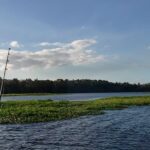
For precise locations of the boat ramps, real-time weather conditions at the inlet, and detailed maps of the wilderness zones, consult the interactive dashboard and maps below.

🎣

Fernandina Beach

Fernandina Beach • Florida • 30.6697, -81.4626
🅿️

Parking

5
Public Parking Lot
⭐ 4.9 0.2 mi
📍 200-298 Alachua St, Fernandina Beach, FL 32034, USA
🕒
Monday: Open 24 hours
Tuesday: Open 24 hours
Wednesday: Open 24 hours
Thursday: Open 24 hours
Friday: Open 24 hours
Saturday: Open 24 hours
Sunday: Open 24 hours
🚗 Get Directions
Dolphin Avenue Beach Access
⭐ 4.7 1.8 mi
📍 103 N Fletcher Ave, Fernandina Beach, FL 32034, USA
🚗 Get Directions
USAPARK Airport Parking
⭐ 4.6 17.4 mi
📍 1735 Airport Rd, Jacksonville, FL 32218, USA
🕒
Monday: Open 24 hours
Tuesday: Open 24 hours
Wednesday: Open 24 hours
Thursday: Open 24 hours
Friday: Open 24 hours
Saturday: Open 24 hours
Sunday: Open 24 hours
🚗 Get Directions
Cumberland Island NS Visitor Parking
⭐ 4.6 6.4 mi
📍 300 St Marys St W, St Marys, GA 31558, USA
🕒
Monday: Open 24 hours
Tuesday: Open 24 hours
Wednesday: Open 24 hours
Thursday: Open 24 hours
Friday: Open 24 hours
Saturday: Open 24 hours
Sunday: Open 24 hours
🚗 Get Directions
WallyPark Airport Parking - Garage (JAX)
⭐ 4.5 17.0 mi
📍 1201 Airport Rd, Jacksonville, FL 32218, USA
🕒
Monday: Open 24 hours
Tuesday: Open 24 hours
Wednesday: Open 24 hours
Thursday: Open 24 hours
Friday: Open 24 hours
Saturday: Open 24 hours
Sunday: Open 24 hours
🚗 Get Directions
🐟

Bait & Tackle

4
Slime Mobile Bait and Tackle Shop
⭐ 5.0 24.1 mi
📍 2037 University Blvd N, Jacksonville, FL 32211, USA
🕒
Monday: Closed
Tuesday: Closed
Wednesday: Closed
Thursday: Closed
Friday: Closed
Saturday: 6:00 AM – 4:00 PM
Sunday: 6:00 AM – 4:00 PM
🚗 Get Directions
Seaworx Fishing
⭐ 5.0 24.1 mi
📍 3511 N Liberty St, Jacksonville, FL 32206, USA
🕒
Monday: 8:00 AM – 5:00 PM
Tuesday: 8:00 AM – 5:00 PM
Wednesday: 8:00 AM – 5:00 PM
Thursday: 8:00 AM – 5:00 PM
Friday: 8:00 AM – 5:00 PM
Saturday: Closed
Sunday: Closed
🚗 Get Directions
Amelia Island Bait & Tackle
⭐ 4.8 2.0 mi
📍 1925 S 14th St, Fernandina Beach, FL 32034, USA
🕒
Monday: 6:30 AM – 5:30 PM
Tuesday: 6:30 AM – 5:30 PM
Wednesday: 6:30 AM – 5:30 PM
Thursday: 6:30 AM – 5:30 PM
Friday: 6:30 AM – 5:30 PM
Saturday: 6:00 AM – 5:00 PM
Sunday: 6:00 AM – 5:00 PM
🚗 Get Directions
Cleansweep Beach Fishing Rentals
⭐ 4.8 2.7 mi
📍 2169 1st Ave, Fernandina Beach, FL 32034, USA
🕒
Monday: Open 24 hours
Tuesday: Open 24 hours
Wednesday: Open 24 hours
Thursday: Open 24 hours
Friday: Open 24 hours
Saturday: Open 24 hours
Sunday: Open 24 hours
🚗 Get Directions
🚤

Fishing Charters

5
Always Hookin Fishing Charters
⭐ 5.0 22.8 mi
📍 4870 Ocean St, Jacksonville, FL 32233, USA
🕒
Monday: Open 24 hours
Tuesday: Open 24 hours
Wednesday: Open 24 hours
Thursday: Open 24 hours
Friday: Open 24 hours
Saturday: Open 24 hours
Sunday: Open 24 hours
🚗 Get Directions
North Florida Fishing Charters
⭐ 5.0 19.0 mi
📍 4852 Ocean St, Jacksonville, FL 32233, USA
🕒
Monday: Open 24 hours
Tuesday: Open 24 hours
Wednesday: Open 24 hours
Thursday: Open 24 hours
Friday: Open 24 hours
Saturday: Open 24 hours
Sunday: Open 24 hours
🚗 Get Directions
Northeast Florida Angling Fishing Charters
⭐ 5.0 24.1 mi
📍 2211 Kings Cir S, Neptune Beach, FL 32266, USA
🕒
Monday: Open 24 hours
Tuesday: Open 24 hours
Wednesday: Open 24 hours
Thursday: Open 24 hours
Friday: Open 24 hours
Saturday: Open 24 hours
Sunday: Open 24 hours
🚗 Get Directions
Team Buck Rogers Fishing Charters
⭐ 5.0 19.0 mi
📍 4870 Ocean St, Atlantic Beach, FL 32233, USA
🕒
Monday: 6:00 AM – 8:00 PM
Tuesday: 6:00 AM – 8:00 PM
Wednesday: 6:00 AM – 8:00 PM
Thursday: 6:00 AM – 8:00 PM
Friday: 6:00 AM – 8:00 PM
Saturday: 6:00 AM – 8:00 PM
Sunday: 6:00 AM – 8:00 PM
🚗 Get Directions
Northeast Florida Fishing Charters
⭐ 5.0 19.0 mi
📍 4870 Ocean St, Atlantic Beach, FL 32233, USA
🕒
Monday: Open 24 hours
Tuesday: Open 24 hours
Wednesday: Open 24 hours
Thursday: Open 24 hours
Friday: Open 24 hours
Saturday: Open 24 hours
Sunday: Open 24 hours
🚗 Get Directions
🏠

Lodging

5
Destination Sunset Campsite & Fish Camp
⭐ 5.0 10.6 mi
📍 15776 Shark Rd W, Jacksonville, FL 32226, USA
🕒
Monday: Open 24 hours
Tuesday: Open 24 hours
Wednesday: Open 24 hours
Thursday: Open 24 hours
Friday: Open 24 hours
Saturday: Open 24 hours
Sunday: Open 24 hours
🚗 Get Directions
C & C RV Park
⭐ 5.0 14.0 mi
📍 205 Easy St, Kingsland, GA 31548, USA
🕒
Monday: Open 24 hours
Tuesday: Open 24 hours
Wednesday: Open 24 hours
Thursday: Open 24 hours
Friday: Open 24 hours
Saturday: Open 24 hours
Sunday: Open 24 hours
🚗 Get Directions
Teakwood Mobile Home Park
⭐ 5.0 8.9 mi
📍 436 US-17, Yulee, FL 32097, USA
🚗 Get Directions
Eagle Hammock RV Park
⭐ 4.9 8.8 mi
📍 937 USS Daniel Webster Rd, Kings Bay Base, GA 31547, USA
🕒
Monday: 9:00 AM – 4:00 PM
Tuesday: 9:00 AM – 4:00 PM
Wednesday: 9:00 AM – 4:00 PM
Thursday: 9:00 AM – 4:00 PM
Friday: 9:00 AM – 4:00 PM
Saturday: Closed
Sunday: Closed
🚗 Get Directions
⚓

Boat Ramps

3
🚻

Restrooms

3
👨‍👩‍👧‍👦

Family Friendly

2
♿

Accessibility

♿

Wheelchair Access

Available

🐕

Pets Allowed

Not Confirmed

⚠️ Some accessibility info not officially confirmed. Please verify with location directly.

📍 Showing 27 facilities on map
🎣
Book a Fishing Charter near Fernandina Beach Fishing Report Today 🎣

Local guides & charters. Verified captains, instant booking, best price guaranteed.

See Available Trips →

📊

About Our Fishing Reports & Forecasts

Our spot reports combine data-driven forecasts with curated local information. The forecast is generated by our proprietary Fishing Score algorithm (0–100%), which analyzes real-time data from Open-Meteo API, validated against NOAA CO-OPS tide gauges and USGS water-monitoring stations. The model weights tide dynamics (35%), wave energy (25%), wind patterns (20%) and time of day (20%)—factors shown to influence fish feeding behavior through marine-biology research and decades of charter log data.

Access, facilities and services information for each fishing spot is sourced from official datasets such as Recreation.gov (RIDB), state park & wildlife agencies, and geospatial providers like Google Maps. These sections undergo scheduled re-validation every 3–6 months to ensure that boat ramps, park access, contact details and local services remain accurate.

Narrative sections (catches, seasonal behavior, local tips) are synthesized from these data sources and refined following the Fishing Reports Today editorial guidelines, combining bibliographic research from ichthyology and oceanography with expert angler experience. Our team reviews reports on a regular basis, while the forecast model itself updates every 6 hours for real-time accuracy.

⚠️ Important: Always verify current local regulations, access restrictions and weather conditions before fishing. These reports are intended as a planning aid, not a guarantee of catches or safety. When in doubt, contact local authorities or park managers listed on the page.

Learn more about our methodology & data sources →

Leave a Reply

Your email address will not be published. Required fields are marked *