Bear Canyon Lake Angler's Briefing: Fall Transition Tactics
Welcome to the definitive guide for Bear Canyon Lake, your premier source for actionable angling intelligence in Southwest New Mexico. As the intense summer heat gives way to the crisp, cooling breezes of the fall transition, we are seeing a dramatic shift in fish behavior. The dropping water temperatures are flipping the switch for our cold-water species, while warm-water targets are putting on the feedbag before winter sets in. Whether you are launching a kayak or fishing from the bank, this comprehensive breakdown will give you the tactical advantage needed to maximize your time on the water.
1. GO/NO-GO STATUS
Verdict: GO - PRIME CONDITIONS
Current seasonal conditions dictate an absolute GO for Bear Canyon Lake. The oppressive heat of summer has broken, bringing surface temperatures down to a highly favorable range for active feeding. We are currently free of any ice conditions, and the water clarity remains stable with a slight tannin stain typical for this time of year. Safety-wise, anglers should prepare for brisk morning temperatures and potential afternoon winds. Layered clothing is essential. The weather impact is overwhelmingly positive right now; the cooling trend is actively pushing fish out of their deep-water summer lethargy and into accessible feeding zones.
From the editor
Tired of fishing with strangers you can’t trust?
Nautrek is the first social network for serious anglers — verified partners, real trips, cost splitting and intel sharing without burning your spots. Private beta now open.
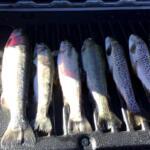
Rainbow trout are currently the undisputed kings of Bear Canyon Lake. With the seasonal cooling, these fish are aggressively cruising the upper water column and pushing toward the shorelines. Recent stocking efforts and holdover fish from previous plants mean there is a dense population of hungry trout looking to pack on calories. They are highly active and willing to chase moving baits, making this an ideal time for both hardware and bait anglers.
Sleeper Pick: Black Crappie
While the crowds are hyper-focused on the trout, the savvy angler is targeting the lake's overlooked crappie population. These panfish are schooling up tightly around submerged brush and deeper weedlines. They are often bypassed by bank anglers throwing heavy hardware, but those who scale down their presentations are finding absolute slabs holding just off the primary drop-offs.
Baitfish & Forage Report
The primary forage base right now consists of small aquatic insects, emerging midges, and juvenile baitfish. We are seeing a lot of subsurface insect activity, which explains why nymph patterns and small profile baits are outperforming larger, bulkier presentations. Matching the hatch means downsizing your profile and keeping colors natural with a hint of flash to mimic struggling baitfish.
3. TACTICAL STRATEGY
Where to Deploy
Do not waste your time casting aimlessly into the middle of the lake. Focus your efforts on the northern shoreline where the rocky transition zones meet the 8-12 foot drop-offs. The area adjacent to the main earthen dam is also a high-percentage zone; the rocks here hold heat slightly longer, attracting baitfish and, subsequently, cruising trout. For the crappie, locate the submerged timber on the eastern edge of the lake. Position your vessel or cast parallel to the weedlines, targeting the 10-15 foot depth range where the light penetration begins to fade.
Lure Selection
Hardware: 1/16oz to 1/8oz Panther Martin spinners. The vibration is key for drawing strikes in the stained water.
Flies/Jigs: Size 14 Gold Beadhead Nymphs with a salmon or pink-colored body. For crappie, a 1/32oz marabou jig is deadly.
Color Theory
Given the current water clarity, you need contrast. Opt for yellow, metallic gold, or silver blades on your spinners to maximize flash during the midday sun. Under overcast skies, switch to dark purple or black bodies to create a solid silhouette against the gray backdrop.
Bait & Rigging
If you prefer soaking bait, the Carolina rig is your best friend. Use a 1/4oz egg sinker, a small barrel swivel, and an 18-inch fluorocarbon leader (4lb test) terminating in a size 12 treble hook. Bait up with garlic or corn-flavored PowerBait. The floating dough bait will hover just above the submerged vegetation, right in the trout's line of sight. For catfish holdovers, a chunk of hotdog or beef liver fished directly on the bottom near the deeper channels will still produce bites.
Timing the Bite
The golden hours are non-negotiable right now. The first two hours of daylight offer the most aggressive topwater and sub-surface action as fish push bait against the shore. A secondary, slightly less aggressive feeding window opens up about an hour before sunset as the shadows stretch across the water.
Pro Tip:When retrieving spinners for fall trout, incorporate a "kill" into your retrieve. Reel steadily for five cranks, then completely stop for one second, allowing the blade to flutter downward. This sudden change in cadence often triggers following fish to commit.
Pro Tip:Crappie look up to feed. Always suspend your jigs or nymphs slightly above the structure you are targeting. If you are dragging the bottom, you are fishing beneath the active school.
4. REGULATIONS SNAPSHOT
Compliance is just as important as technique. Bear Canyon Lake is managed under specific regulations to maintain its fishery quality:
Regulation Type
Details for Bear Canyon Lake
Vessel Restrictions
Boats are strictly restricted to oars or electric motors only. No gas outboards allowed.
Gear Restrictions
Trotlines are explicitly prohibited on this body of water.
Trout Limits
Standard statewide limits apply (typically 5 per day), but always verify current seasonal postings at the trailhead.
Water Designation
Classified as a Winter Trout Water, meaning it receives prioritized stocking during the cooler months.
5. REGIONAL ALTERNATIVE: Bill Evans Lake
If the wind howls through the canyon making Bear Canyon unfishable, or if you simply want a change of scenery, your primary fallback is Bill Evans Lake, located just a short drive away in the region. Bill Evans is perched higher up and offers excellent bank access.
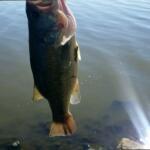
Target Species: Largemouth Bass and Rainbow Trout. Tactical Approach: Bill Evans features steeper drop-offs and clearer water. If you are targeting bass, Texas-rigged creature baits or brown topwater poppers worked along the rocky points will draw strikes. For trout, downsize to dark-colored dry flies or standard garlic PowerBait fished off the bottom. Like Bear Canyon, Bill Evans is restricted to oars and electric motors, ensuring a peaceful, stealthy approach to your fishing day.
Tight lines!
Editor's Choice: Must-Have Gear
FISHINGSIR Next-Gen Waterproof Chest Waders
★★★★★4.4 (7,370+ reviews)
2-Ply Tech: Upgraded nylon with 2.5x higher density than standard fabrics.
100% Waterproof: Lab-approved intrusion resistance with taped visible seams.
Ultra-Lightweight: Designed for all-day comfort while hunting or fishing.
As an Amazon Associate I earn from qualifying purchases. #ad
Loading forecast...
Live Fishing Conditions: Tides, Weather & Waves
Get real‑time tides, marine weather, swell and solunar activity for each spot so you know exactly when conditions line up for your best chance at a bite.
🎣
Bear Canyon Lake
Loading coordinates...
🌤️
WEATHER CONDITIONS
--°F
--°C
Loading...
🌡️
Feels Like--°F--°C
💧
Humidity--%
💨
Wind-- mph-- km/h
🧭
Direction--
📊
Pressure-- inHg-- hPa
☀️
UV Index--
🌊
MARINE CONDITIONS
🌊Wave Height
-- ft
-- m
Loading...
🧭Wave Direction
--°
Loading...
⏱️Wave Period
-- s
Loading...
📈Tide Status
-- ft
-- m
Loading...
🌙
LUNAR & SOLUNAR
🌕
Loading...
Illumination: --%
Major Period--:-- - --:----:-- - --:--
Minor Period--:-- - --:----:-- - --:--
🌅Sunrise--:--
🌇Sunset--:--
📅
24-HOUR FORECAST
Loading fishing conditions...
Fishing Spots Map
🎣
Book a Fishing Charter near Bear Canyon Lake Fishing Report Today 🎣
Local guides & charters. Verified captains, instant booking, best price guaranteed.
There was an error loading the map. Please try refreshing the page.
Info
Local Access & Facilities
Tucked into the rugged terrain of Christopher Creek, Arizona, Bear Canyon Lake presents a unique logistical puzzle for the seasoned angler. Unlike manicured urban reservoirs with sprawling, paved marinas, this fishery demands a more tactical approach. The environment here is defined by its remote, high-country atmosphere, where dense timber and steep shorelines dictate how you deploy your gear. Experienced skippers and shore casters alike know that success here relies on preparation just as much as presentation.
The atmosphere surrounding the lake is decidedly rugged and distinctly off the beaten path. Official accessibility metrics confirm that there is absolutely no wheelchair access, meaning anglers must navigate uneven ground, dirt trails, and natural shoreline obstacles. This lack of concrete infrastructure naturally filters out casual visitors, leaving the prime holding waters to dedicated sportsmen who are willing to put in the physical effort. You will not find crowded, paved promenades here; instead, you will find quiet, timber-lined coves.
While the specific game fish species are managed tightly by local authorities, the draw for pros is the pristine freshwater environment. The local fishery is governed by the State Fishing Agency, which oversees the health of the aquatic ecosystem. Targeting the deep pockets and structured drop-offs requires careful planning, especially since the immediate lake perimeter is entirely trail-based. For the expert angler, understanding the layout of these trails and the distant boat ramps is the first step to mastering this remote Arizona water.
Access & Getting There
Navigating to the water's edge at Bear Canyon Lake requires understanding the stark difference between shore access and vessel launching. For shore-based anglers or those utilizing packable float tubes, the lake is highly accessible via established footpaths. The Merganser Trailhead is located a mere 0.2 miles from the primary access zone, providing a rapid, albeit rugged, descent to the water. Slightly further out, the Mallard Trailhead sits at 0.4 miles away, offering an alternative vector for anglers looking to distance themselves from the main entry points.
For captains hauling skiffs or heavy aluminum boats, the logistical reality shifts significantly. The immediate vicinity of the lake does not support direct trailer backing. Instead, the designated boat ramps are situated several miles away from the core trailhead zones. The closest unnamed ramp is located 5.6 miles out, with secondary options at 9.2 miles and 15.4 miles. These ramps do offer dedicated trailer parking, which is a crucial asset during peak season.
💡 Captain's Tip: Ramp Self-Reliance
The distant boat ramps feature trailer parking, but they are entirely devoid of amenities. There are no restrooms, no showers, no fish cleaning stations, and critically, no lighting. If you are launching before dawn, you must bring high-lumen headlamps and backup floodlights for safe trailer maneuvering.
Weather contingencies play a massive role in how you approach the launch. High-elevation winds can funnel through the canyons, making the exposed trails slippery and boat handling treacherous. The local safety notes explicitly mandate wearing appropriate footwear, a non-negotiable requirement when traversing the steep grades of the Merganser and Mallard trails after a heavy rain. If the wind picks up, shore anglers are advised to utilize the Rocky Point Picnic Area located 5.4 miles away, which offers a slightly more sheltered, family-friendly shoreline approach.
Parking your tow vehicle requires strategic forethought. While the distant boat ramps accommodate trailers, shore anglers utilizing the trailheads often rely on nearby vehicle storage lots. The Horton Springs Parking Lot is a reliable staging area located 6.8 miles from the main spot. For longer expeditions, the Ranch Road Vehicle Storage facility at 8.6 miles provides a highly-rated, secure location for leaving excess gear or secondary vehicles.
Parking Facility
Distance
Trailer Parking
Rating
Horton Springs Parking Lot
6.8 miles
No
5.0
Ranch Road Vehicle Storage
8.6 miles
No
5.0
Washington Park Trailhead
14.9 miles
No
4.8
Little Bli
19.5 miles
No
Unrated
The Home Depot Parking Lot
20.5 miles
No
4.1
Bear Canyon Lake Pre-Trip Checklist
Facilities & Amenities
The infrastructure surrounding Bear Canyon Lake is highly localized and geared toward wilderness survival rather than resort-style comfort. Seasoned skippers know that preparation is paramount because you cannot simply idle up to a marina fuel dock or a waterside tackle shop here. The area operates on a "bring it with you" philosophy. Crucially, there are no charter operators based directly at this location, meaning you are entirely reliant on your own vessel and local knowledge.
When it comes to gearing up, Gilligan's Forest Lakes General Store is the sole recognized bait and tackle hub in the region. Located 12.4 miles from the lake, it serves as the final outpost for terminal tackle and local intelligence. However, its operating hours dictate your morning strategy. The shop does not open until 7:00 AM daily. For the serious angler looking to capitalize on the early morning bite, this means all bait, ice, and heavy gear must be procured the afternoon prior.
💡 Captain's Tip: The Restroom Logistics
While the boat ramps are primitive, there are three designated public restrooms located surprisingly close to the primary trailhead access points, ranging from 2,452 feet to 2,765 feet away. Utilize these facilities before making the final hike down the Mallard or Merganser trails.
Lodging logistics favor the camper and the RV traveler. The proximity of accommodations to the dawn patrol launch points varies, but they all offer a rustic, outdoorsman-friendly atmosphere. Crook Campground is the strategic favorite, sitting just 6.6 miles from the action. For those requiring full hookups and more space for large rigs, the Five Lakes RV Park at 13.3 miles and the Clint Wells RV Resort at 20.5 miles provide excellent staging grounds for multi-day tournament runs or extended backcountry trips.
Accommodation Name
Distance
Type
Rating
Crook Campground
6.6 miles
Campground
4.8
Fr 171 Campground
10.7 miles
Campground
4.8
Five Lakes RV Park
13.3 miles
RV Park
5.0
Lil’ W Ranch
17.6 miles
Ranch / Resort
4.8
Clint Wells RV Resort
20.5 miles
RV Resort
5.0
Permits, Regulations & Fees
Operating legally and respectfully at Bear Canyon Lake requires strict adherence to local mandates. The fishery is officially managed by the State Fishing Agency. This governing body utilizes a rule-based system to dictate seasonal closures, size limits, and allowable gear. Because this is a high-traffic natural resource, the regulations are designed to protect the delicate high-desert aquatic ecosystem from overfishing and habitat degradation.
Currently, official data indicates that there are no active environmental alerts or emergency closures in effect. However, the regulatory baseline demands that anglers always consult official state sources and local trailhead signage before making their first cast. The rules here are not merely suggestions; they are strictly enforced to maintain the caliber of the game fish populations that draw experts to these waters in the first place.
Furthermore, cultural respect and environmental stewardship are paramount. The lack of waste disposal facilities at the boat ramps and along the Merganser Trailhead means a strict "pack it in, pack it out" policy is in effect. Discarding monofilament line or bait containers along the primitive trails not only damages the ecosystem but jeopardizes future access for the angling community. The rule is simple: leave the rugged shoreline exactly as you found it.
Events & Seasonal Information
The rhythms of the season dictate the fishing strategy in Christopher Creek. During the peak summer months, the high elevation provides a brief respite from the extreme heat of the lower Arizona deserts, making it a prime destination for aggressive dawn and dusk topwater bites. However, this same elevation means that winter and early spring conditions can be brutally cold, often impacting the accessibility of the dirt trails and primitive boat launches.
💡 Captain's Tip: Sun and Shore Protection
Official safety protocols explicitly advise wearing heavy-duty sun protection and appropriate footwear. The UV index at this elevation is intense, and the rocky, unpaved shorelines near the Mallard Trailhead require sturdy hiking boots with aggressive tread to prevent ankle injuries while landing heavy fish.
Local weather patterns are the ultimate arbiter of your daily schedule. Interestingly, local safety advisories utilize boilerplate language reminding visitors to check "ocean conditions"—a quirk of the agency's broad safety protocols. For this inland lake, seasoned captains translate this to mean monitoring severe barometric drops, sudden canyon wind shears, and localized flash flood warnings that can rapidly alter the clarity and safety of the water.
Timing your strike is everything. Because the primary bait shop, Gilligan's, operates on a strict 7:00 AM to 6:00 PM schedule, anglers looking to intercept the early morning feed must be entirely self-sufficient before the sun breaches the canyon walls. By the time the shop opens, the prime morning window has often already closed, shifting the tactic to deep-water jigging or shaded shoreline casting.
Contact Information & Resources
Self-reliance is the defining characteristic of a successful trip to this area. Your primary point of contact for legal inquiries and current bag limits is the State Fishing Agency. Because cellular service can be highly unpredictable deep in the canyon and along the remote trailheads, downloading offline maps and carrying a satellite communication device is highly recommended for emergency situations.
Should you need to make physical contact with local resources, Gilligan's Forest Lakes General Store can be reached at (928) 535-4716 for localized tackle advice, though they do not offer charter services or on-water rescues. Always file a float plan or a hike plan with a trusted contact before descending the trails. For precise locations, trailhead coordinates, and real-time conditions, consult the live dashboard and maps below.
Our spot reports combine data-driven forecasts with curated local information. The forecast is generated by our proprietary Fishing Score algorithm (0–100%), which analyzes real-time data from Open-Meteo API, validated against NOAA CO-OPS tide gauges and USGS water-monitoring stations. The model weights tide dynamics (35%), wave energy (25%), wind patterns (20%) and time of day (20%)—factors shown to influence fish feeding behavior through marine-biology research and decades of charter log data.
Access, facilities and services information for each fishing spot is sourced from official datasets such as Recreation.gov (RIDB), state park & wildlife agencies, and geospatial providers like Google Maps. These sections undergo scheduled re-validation every 3–6 months to ensure that boat ramps, park access, contact details and local services remain accurate.
Narrative sections (catches, seasonal behavior, local tips) are synthesized from these data sources and refined following the Fishing Reports Today editorial guidelines, combining bibliographic research from ichthyology and oceanography with expert angler experience. Our team reviews reports on a regular basis, while the forecast model itself updates every 6 hours for real-time accuracy.
⚠️ Important: Always verify current local regulations, access restrictions and weather conditions before fishing. These reports are intended as a planning aid, not a guarantee of catches or safety. When in doubt, contact local authorities or park managers listed on the page.
To provide the best experiences, we use technologies like cookies to store and/or access device information. Consenting to these technologies will allow us to process data such as browsing behavior or unique IDs on this site. Not consenting or withdrawing consent, may adversely affect certain features and functions.
Functional Always active
The technical storage or access is strictly necessary for the legitimate purpose of enabling the use of a specific service explicitly requested by the subscriber or user, or for the sole purpose of carrying out the transmission of a communication over an electronic communications network.
Preferences
The technical storage or access is necessary for the legitimate purpose of storing preferences that are not requested by the subscriber or user.
Statistics
The technical storage or access that is used exclusively for statistical purposes.The technical storage or access that is used exclusively for anonymous statistical purposes. Without a subpoena, voluntary compliance on the part of your Internet Service Provider, or additional records from a third party, information stored or retrieved for this purpose alone cannot usually be used to identify you.
Marketing & Affiliates
The technical storage or access is required to create user profiles to send advertising, or to track the user on a website or across several websites for similar marketing purposes, including affiliate tracking for products recommended in our reports.



Leave a Reply