Current conditions on the Mogollon Rim are prime for angling as we enter the early stages of the fall transition. The intense summer heat has broken, making daytime fishing highly pleasant and dropping surface temperatures into the sweet spot for trout activity. There are no ice conditions to worry about at this time of year, and water clarity remains excellent following the monsoon season. Anglers should anticipate cool mornings, so dressing in layers is highly recommended. The lake level is stable, and the boat ramp is fully operational for electric-motor vessels.
SPECIES INTEL
Primary Target: Rainbow Trout
🎣Nautrek
Private Beta
J
M
R
100+ anglers on the waitlist
The fishing network where your reputation matters.
Find trusted captains, join real trips with cost splitting, and build your Angler Rank. Your spots stay private — you decide who sees your intel.
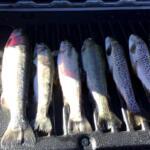
Thanks to heavy and consistent stocking by the Arizona Game and Fish Department, Rainbow Trout are the most abundant and active species in the lake right now. Freshly planted fish are aggressive and schooling near the upper levels of the water column, while holdover trout have moved slightly deeper.
Sleeper Pick: Smallmouth Bass
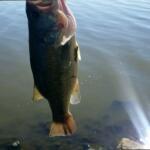
While most anglers flock to Willow Springs for the trout, the lake boasts a highly underrated population of Smallmouth Bass. These bronzebacks grow fat on the lake's rich forage base and see a fraction of the fishing pressure that the trout do. They are currently staging around rocky structures and submerged timber.
Baitfish Report: Crayfish and Aquatic Insects
The primary forage base driving the bite right now is the abundant crayfish population. Both trout and bass actively hunt these crustaceans along the rocky shorelines. Additionally, mid-morning insect hatches are providing topwater opportunities for fly anglers.
TACTICAL STRATEGY
Where: Avoid the main dam area, which tends to attract heavy crowds of swimmers and casual bank anglers. Instead, park near the highway turn-off across from the Young road and hike the perimeter trail toward the eastern coves. Look for the sharp 10-to-20-foot drop-offs where the rocky shoreline transitions into deeper water. Smallmouth bass will be holding tight to the submerged boulders, while trout will be cruising the contour lines just above the thermocline.
Lure: For trout, a 1/8-ounce Kastmaster or a 1/12-ounce Panther Martin spinner is ideal for covering water. For the sleeper Smallmouth Bass, a 2.5-inch soft plastic crawfish imitation on a 1/8-ounce weedless Ned rig is highly effective.
Color: Gold and copper are the ticket for spoons and spinners, reflecting the ambient light perfectly in the clear mountain water. For bass plastics, stick to green pumpkin with orange flakes to perfectly mimic the local crayfish.
Bait: If you prefer soaking bait, rig a live nightcrawler on a slip-sinker rig with a 24-inch fluorocarbon leader. Inflating the worm slightly with a worm syringe will keep it floating just above the weed growth. Alternatively, garlic-scented PowerBait in chartreuse is a reliable fallback for recently stocked rainbows.
Timing: The golden hours are critical here. The first two hours after dawn and the final hour before dusk offer the most aggressive feeding windows. Midday bites slow down significantly under the high mountain sun.
Pro Tip:Bring a small, collapsible crayfish trap. Setting one near your fishing spot (check local regulations on trap limits) can provide you with the absolute best live bait for the lake's resident Smallmouth Bass and larger holdover Brown Trout.
REGULATIONS SNAPSHOT
Trout: Bag limit of 4 trout per licensed angler per day.
Bass (Largemouth and Smallmouth): Bag limit of 6 bass per day (aggregate).
Boating: Motors are restricted to single electric motors or gas motors of 10 horsepower or less.
Licenses: A valid Arizona state fishing license is required for all anglers aged 10 and older.
REGIONAL ALTERNATIVE
If Willow Springs Lake is too crowded or the bite abruptly shuts off, head approximately 13 miles away to Woods Canyon Lake. Woods Canyon is another premier Mogollon Rim fishery that receives similarly aggressive trout stocking. Access is excellent with a paved ramp and boat rentals available at the marina. If you make the switch, target the northern weedlines with small inline spinners or suspend a bead-head nymph under a strike indicator for consistent Rainbow Trout and Tiger Trout action.
Pro Tip:When transitioning to Woods Canyon, downsize your fluorocarbon tippet or leader to 2-pound test. The water there can be incredibly clear, and line-shy trout will inspect your presentation closely.
Tight lines!
Editor's Choice: Must-Have Gear
FISHINGSIR Next-Gen Waterproof Chest Waders
★★★★★4.4 (7,370+ reviews)
2-Ply Tech: Upgraded nylon with 2.5x higher density than standard fabrics.
100% Waterproof: Lab-approved intrusion resistance with taped visible seams.
Ultra-Lightweight: Designed for all-day comfort while hunting or fishing.
As an Amazon Associate I earn from qualifying purchases. #ad
Loading forecast...
Live Fishing Conditions: Tides, Weather & Waves
Get real‑time tides, marine weather, swell and solunar activity for each spot so you know exactly when conditions line up for your best chance at a bite.
🎣
Willow Springs
Loading coordinates...
🌤️
WEATHER CONDITIONS
--°F
--°C
Loading...
🌡️
Feels Like--°F--°C
💧
Humidity--%
💨
Wind-- mph-- km/h
🧭
Direction--
📊
Pressure-- inHg-- hPa
☀️
UV Index--
🌊
MARINE CONDITIONS
🌊Wave Height
-- ft
-- m
Loading...
🧭Wave Direction
--°
Loading...
⏱️Wave Period
-- s
Loading...
📈Tide Status
-- ft
-- m
Loading...
🌙
LUNAR & SOLUNAR
🌕
Loading...
Illumination: --%
Major Period--:-- - --:----:-- - --:--
Minor Period--:-- - --:----:-- - --:--
🌅Sunrise--:--
🌇Sunset--:--
📅
24-HOUR FORECAST
Loading fishing conditions...
Fishing Spots Map
🎣
Book a Fishing Charter near Willow Springs Fishing Report Today 🎣
Local guides & charters. Verified captains, instant booking, best price guaranteed.
There was an error loading the map. Please try refreshing the page.
Info
Local Access & Facilities
Perched at an elevation of 7,500 feet within the Apache-Sitgreaves National Forest, Willow Springs offers a distinct alpine fishery that contrasts sharply with the arid desert floors of Arizona. This location is defined by the dramatic Mogollon Rim—locally pronounced "muggy-own"—a massive escarpment that serves as the geographical divide for the region's high country. The atmosphere here is dominated by cool pine and aspen forests, creating a rugged yet accessible environment for serious anglers seeking relief from the heat.
The primary draw for seasoned captains and anglers in this sector is the trout fishery, available in both Willow Springs Lake and adjacent streams. Unlike the manicured urban ponds of the valley, this is a high-country experience where weather patterns shift rapidly and bottom topography requires attention. The area serves as a strategic base camp, with Canyon Point providing the logistical hub for boaters targeting the deep pockets of the lake or the moving water of the nearby creeks.
💡 Captain's Tip: High Altitude Adjustments
At 7,500 feet, oxygen levels are lower, affecting both engine performance and physical stamina. Ensure your carbureted outboards are tuned for high elevation to avoid sluggish starts at the ramp.
Access & Getting There
Access to the Willow Springs area is straightforward but requires navigating mountain grades. The primary artery is Highway 260. Traffic can be heavy on weekends with recreational vehicles climbing from the valley. The main turnoff for the Canyon Point facility is located at Milepost 287, approximately 20 miles west of Heber and 4.5 miles east of the Rim Visitor Information Station.
For those towing vessels, the infrastructure is generally robust. The internal roads at the nearby Canyon Point Campground are paved, accommodating rigs up to 75 feet in length. However, the boat launch situation at Willow Springs Lake (roughly 5 miles from the campground base) can see congestion during peak summer mornings. The ramps are functional, but seasoned boaters know to arrive before dawn to secure trailer parking close to the water.
Weather is the single biggest variable for access in this region. During the "Monsoon Season" from late June through August, violent afternoon thunderstorms are clockwork occurrences. These storms bring lightning and sudden downdrafts that can make open water dangerous instantly. It is critical to monitor the sky to the south; when clouds build over the rim edge, it is time to get off the water.
💡 Captain's Tip: The Monsoon Rule
Local pros operate on a strict schedule during summer: launch at first light and be off the water by 1:00 PM. Afternoon electrical storms on the Rim are dangerous and move faster than most trolling motors.
Willow Springs Pre-Trip Checklist
Facilities & Amenities
The infrastructure around Willow Springs is designed for self-sufficient anglers and campers. Canyon Point serves as the primary facility, offering 113 campsites, showers, and restrooms. It acts as a reliable forward operating base for multi-day fishing trips. While the campground offers potable water and firewood, it does not have a dedicated marina fuel dock. Anglers must fuel their vessels on the highway before launching.
For immediate tackle needs, Gilligan's Forest Lakes General Store is the local staple, located just 2 miles from the main access points. They open at 7:00 AM, allowing for last-minute bait acquisition before hitting the water. While they carry essential trout gear, specialized fly-fishing equipment or heavy boat parts should be sourced in Payson or Heber prior to arrival.
It is important to note the "negative knowledge" for this area: there are no major marine repair facilities or large grocery chains in the immediate vicinity of Forest Lakes. The nearest full-service community is Overgaard, located 22 miles east on Highway 260. Plan your provisioning accordingly to avoid burning valuable fishing time on a 45-mile round trip for ice or food.
Local Lodging & Camping Overview
Facility Name
Distance
Type
Key Feature
Canyon Point
1.8 miles
Campground
Paved sites, 75ft max length, Showers
Five Lakes RV Park
2.9 miles
RV Park
Full hookups, close proximity
Fr 171 Campground
4.5 miles
Campground
Dispersed/Rustic feel
Mountain Retreat RV Park
16.9 miles
RV Park
Open 24 hours, high rated
Permits, Regulations & Fees
Fishing activities in this sector are managed by the State Fishing Agency. Compliance is strictly enforced due to the high volume of visitors the Mogollon Rim attracts. While specific permit costs vary by season, a valid state fishing license is mandatory for all anglers. The area is also part of the Apache-Sitgreaves National Forest, meaning federal land use rules apply regarding camping and off-road travel.
Anglers should be aware of "Kapu" or general respect for the land. This area contains sensitive riparian zones and cultural history. The Sinkhole Trail and the edge of the Rim are environmentally fragile; tread lightly when accessing shore spots. Dispersed camping is allowed in designated areas like the Fr 237 Camping Area, but strict "pack it in, pack it out" ethics are expected to maintain the pristine nature of the high country.
There are no specific restricted zones mentioned for the lake surface itself, but standard boating safety regulations are in effect. Life jackets must be accessible, and navigation rules apply. Always check the information boards at the Canyon Point entrance or the boat ramps for temporary closures related to fire danger or wildlife management.
Events & Seasonal Information
The rhythm of Willow Springs is dictated by the seasons. Summer offers a respite from the desert heat, with daytime temperatures generally 20 to 40 degrees cooler than the Phoenix area. This temperature drop activates the trout bite, particularly in the early morning and late evening hours. However, the monsoon rains in July and August can muddy the inflows, changing the most effective bait presentations.
While there are no major professional tournament circuits that regularly stop here, the area is popular for local club derbies and family-oriented fishing events. The Canyon Point Amphitheater frequently hosts educational programs led by Forest Service rangers on weekends, which can be a great resource for understanding local biology and current forest conditions.
Winter brings a hard stop to most easy access. Snowfall on the Rim can be significant, often closing forest roads and making the boat ramps inaccessible. The prime season for the serious angler runs from late April, once the ice melts, through October, before the first heavy snows close the high country.
💡 Captain's Tip: Fall Fishing
Late September to October is the "golden hour" for this fishery. The monsoon storms fade, the Aspen trees turn gold, and the trout feed aggressively before winter. Boat traffic also drops significantly after Labor Day.
Contact Information & Resources
For the most current facility conditions, direct inquiries to the Canyon Point facility management at 928-535-9859 or the general information line at (928) 535-0181. They can provide real-time updates on ramp status and campground capacity.
In terms of safety, cell service can be spotty in the deep pockets of the forest. It is advisable to have a float plan filed with someone on shore. For medical emergencies, the nearest major services are in Payson or Show Low, both significant drives from the water. Self-reliance is key in this environment.
For precise locations of the boat ramps, real-time weather radar, and detailed bathymetry, consult the live dashboard and interactive maps below.
Our spot reports combine data-driven forecasts with curated local information. The forecast is generated by our proprietary Fishing Score algorithm (0–100%), which analyzes real-time data from Open-Meteo API, validated against NOAA CO-OPS tide gauges and USGS water-monitoring stations. The model weights tide dynamics (35%), wave energy (25%), wind patterns (20%) and time of day (20%)—factors shown to influence fish feeding behavior through marine-biology research and decades of charter log data.
Access, facilities and services information for each fishing spot is sourced from official datasets such as Recreation.gov (RIDB), state park & wildlife agencies, and geospatial providers like Google Maps. These sections undergo scheduled re-validation every 3–6 months to ensure that boat ramps, park access, contact details and local services remain accurate.
Narrative sections (catches, seasonal behavior, local tips) are synthesized from these data sources and refined following the Fishing Reports Today editorial guidelines, combining bibliographic research from ichthyology and oceanography with expert angler experience. Our team reviews reports on a regular basis, while the forecast model itself updates every 6 hours for real-time accuracy.
⚠️ Important: Always verify current local regulations, access restrictions and weather conditions before fishing. These reports are intended as a planning aid, not a guarantee of catches or safety. When in doubt, contact local authorities or park managers listed on the page.
To provide the best experiences, we use technologies like cookies to store and/or access device information. Consenting to these technologies will allow us to process data such as browsing behavior or unique IDs on this site. Not consenting or withdrawing consent, may adversely affect certain features and functions.
Functional Always active
The technical storage or access is strictly necessary for the legitimate purpose of enabling the use of a specific service explicitly requested by the subscriber or user, or for the sole purpose of carrying out the transmission of a communication over an electronic communications network.
Preferences
The technical storage or access is necessary for the legitimate purpose of storing preferences that are not requested by the subscriber or user.
Statistics
The technical storage or access that is used exclusively for statistical purposes.The technical storage or access that is used exclusively for anonymous statistical purposes. Without a subpoena, voluntary compliance on the part of your Internet Service Provider, or additional records from a third party, information stored or retrieved for this purpose alone cannot usually be used to identify you.
Marketing & Affiliates
The technical storage or access is required to create user profiles to send advertising, or to track the user on a website or across several websites for similar marketing purposes, including affiliate tracking for products recommended in our reports.




Leave a Reply