


The Strategic Gateway: Fernandina Beach and the Cumberland Sound
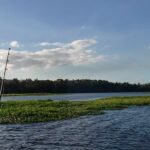
Fernandina Beach represents a unique intersection of developed maritime infrastructure and raw, unblemished wilderness. Situated on Amelia Island, it serves as the primary civilized staging ground for anglers targeting the expansive Cumberland Sound and the pristine waters of the Cumberland Island National Seashore just across the state line in Georgia. For the expert angler, this location offers a stark duality: the convenience of a historic harbor town with deep-water access and the logistical challenge of fishing one of the Atlantic Coast's last undeveloped barrier islands. The atmosphere here shifts rapidly from the bustling, manicured docks of the marina district to the silent, moss-draped maritime forests and salt marshes that line the St. Marys River.
The fishery is defined by its diversity of structure, ranging from the deep channels of the St. Marys entrance—where nuclear submarines transit—to the shallow, winding tidal creeks of the Timucuan Ecological & Historic Preserve to the south. Seasoned captains know that this is not merely a "park and fish" destination; it requires an understanding of complex access rules, particularly if you intend to exploit the productive waters surrounding the National Seashore. The bottom topography varies from sandy shoals shifting with the Atlantic tides to the mud-bottomed creeks holding redfish and trout. The primary draw for many pros here is the ability to launch heavy center consoles for offshore runs while having immediate access to miles of backcountry water that sees relatively little pressure compared to southern Florida.
Understanding the logistical layout is paramount. While Fernandina Beach offers standard amenities, the adjacent Cumberland Island operates under strict wilderness protocols. There are no stores, no fuel docks, and no trash cans on the island itself. Anglers planning multi-day trips involving the island must be entirely self-sufficient. Whether you are running a skiff into the backcountry of Brickhill River or launching a larger vessel for the inlet, success here depends on navigating the gap between the amenities of the city and the "Kapu" (restricted/sacred) nature of the protected reserves.
💡 Captain's Tip: Power Management
If you are camping or making landfall on Cumberland Island, be aware that electricity is scarce. Charging is only available at the Sea Camp Ranger Station and specific developed campgrounds. Pros keep phones on airplane mode to reserve battery power for navigation and emergencies, as there are no other power sources once you head north of Sea Camp.
Access & Getting There
Accessing the prime fishing grounds of Fernandina Beach and the surrounding reserves requires a strategic approach to traffic and tides. The primary overland route into the area is via Interstate 95. Anglers towing trailers should take Exit 3 and head east on Highway 40, which becomes Osborne Road. This route leads directly into historic St. Marys, the gateway for the ferry system, or south toward the Fernandina harbor. Traffic on Highway 40 is generally manageable, but the final approach into the historic waterfront districts can become congested during mid-day, particularly on weekends. Plan your arrival for early morning to avoid the tourist bottleneck.
For those launching private vessels, the area offers several boat access points. The JSON data indicates three primary boat ramps in the immediate vicinity of the spot coordinates, though they are unnamed in the dataset. Local reconnaissance reveals that the public ramps in this region generally accommodate trailer parking, but availability tightens significantly after 7:00 AM. If you are utilizing the Cumberland Island Ferry for transport—perhaps for a surf fishing expedition—you must navigate to the Mainland Visitor Center at 113 St. Marys Street West. Note that the ferry does not transport vehicles. This is a passenger-only service, meaning all gear must be carried by hand or cart.
Weather contingencies are critical in this transition zone between open ocean and marsh. When the Atlantic trade winds blow from the northeast, the inlet and beachfronts become treacherous. In these conditions, smart captains retreat to the leeward side of Cumberland Island or the protected waters of the Timucuan Preserve. The ferry service itself is subject to cancellation during inclement weather. If you are relying on the ferry to reach the island's surf, be aware that operations pause on Tuesdays and Wednesdays from December through February, potentially stranding the unprepared angler.
Parking requires a tactical approach. For day trips in Fernandina, the Public Parking Lot on Alachua Street is a reliable option, located just 1,001 feet from the main hub. It is open 24 hours, making it ideal for dawn patrol launches. It holds a high rating of 4.9 stars, indicating safety and accessibility. For those heading to the island via St. Marys, the Cumberland Island NS Visitor Parking is located one block west of the visitor center. While generally safe, long-term parking for multi-day camping trips should be treated with standard precautions: lock your vehicle and remove valuables from sight.
💡 Captain's Tip: Ferry Logistics
If utilizing the Cumberland Island Ferry, check-in is mandatory at the Mainland Visitor Center at least 30 minutes prior to departure. The ferry does not wait. Also, carts and wheeled coolers are strictly prohibited north of the Sea Camp Campground, so pack light if you plan to hike to the remote surf spots at Stafford Beach.
Fernandina Beach Pre-Trip Checklist
Facilities & Amenities
The infrastructure around Fernandina Beach is robust, but the specialization of services varies. Anglers should not expect a "one-stop-shop" for every need, especially regarding specialized tackle. Amelia Island Bait & Tackle, located approximately 2 miles from the center at 1925 S 14th St, is the primary hub for local intelligence and fresh bait. They open at 6:30 AM on weekdays and 6:00 AM on weekends, catering specifically to the early-morning crowd. For those needing gear rentals or beach-specific setups, Cleansweep Beach Fishing Rentals is located 2.7 miles away on 1st Avenue and operates 24 hours, a rare convenience for night surf anglers.
The charter fleet in this region is distinguished but spread out. While many operators are based in nearby Jacksonville or Atlantic Beach (roughly 19-24 miles south), their range often includes the Cumberland Sound. North Florida Fishing Charters and Team Buck Rogers Fishing Charters are highly rated operations known for targeting both inshore species and offshore pelagics. If you are looking for a guide who understands the intricate marsh systems, booking well in advance is recommended, as the top-tier captains are often reserved weeks out.
A critical piece of "negative knowledge" for this area concerns the Cumberland Island wilderness. Once you depart the mainland, you are on your own. There are no stores, no restaurants, and no ice available on the island. The water at wilderness sites like Hickory Hill and Yankee Paradise is non-potable and must be treated or filtered. Potable water is only available at designated spots like Sea Camp. Anglers accustomed to grabbing a bag of ice or a sandwich at a marina mid-day will find themselves out of luck here. You must launch fully provisioned.
Lodging options cater to different styles of engagement. For the hardcore outdoor enthusiast, the Sea Camp Campground offers the most immersive experience, placing you directly on the water with cold water showers and cell charging stations. For those towing RVs, Eagle Hammock RV Park (8.8 miles away) and C & C RV Park (14 miles away) provide full hookups and 5-star rated facilities. Destination Sunset Campsite & Fish Camp, roughly 10 miles away, offers a more rustic, angler-centric atmosphere closer to the Jacksonville backwaters.
Key Local Businesses
| Facility Name | Type | Distance & Location | Notes |
|---|---|---|---|
| Amelia Island Bait & Tackle | Bait & Tackle | 2.0 miles (Fernandina Beach) | Opens 6:00 AM weekends. Key spot for live bait. |
| Cleansweep Beach Fishing Rentals | Rental/Gear | 2.7 miles (Fernandina Beach) | Open 24 Hours. Ideal for surf fishing gear. |
| Public Parking Lot | Parking | 1001 ft (Alachua St) | Open 24 Hours. 4.9-star safety rating. |
| Seaworx Fishing | Bait Shop | 24.1 miles (Jacksonville) | Open 8am-5pm M-F. Distance option for south approaches. |
Permits, Regulations & Fees
Fishing and boating in this border region requires navigating a complex overlay of state and federal jurisdictions. Since the waters encompass both Florida and Georgia, as well as federal park lands, compliance is strictly enforced. The Cumberland Island National Seashore mandates a specific camping permit for any overnight stay. These permits must be reserved in advance, particularly for the popular Sea Camp and Stafford Beach sites. Cancellations made less than 10 days prior result in significant fee penalties, so firm plans are essential.
The "Why" behind these regulations is rooted in the preservation of the barrier island ecosystem. The dunes and marshes are critical nesting habitats for migratory birds and sea turtles. Consequently, strict rules apply: no pets are allowed in campgrounds (except specific transport protocols), and fires are permitted only in designated rings at developed sites like Sea Camp. In the wilderness zones like Brickhill Bluff, you are in a "Leave No Trace" environment. The use of cast nets and bait traps may be restricted in certain freshwater ponds or designated swimming areas, so always consult the Superintendent's Compendium linked in the park resources.
Cultural respect is also a legal requirement here. The area includes significant historical sites, such as the Dungeness Ruins and the Plum Orchard Mansion. Access to these areas is regulated to prevent damage. Furthermore, the Timucuan Ecological & Historic Preserve protects thousands of years of human history. Anglers should treat any shoreline structures or shell middens as protected archaeological sites. Unauthorized digging or artifact collection is a federal offense.
💡 Captain's Tip: Wilderness Water
If you are fishing near the remote wilderness campsites like Yankee Paradise or Brickhill Bluff, be advised that the pump wells provide non-potable water. You must bring a high-quality filter or chemical treatment system if you plan to refill your bottles during a long day on the water.
Events & Seasonal Information
The rhythm of the fishery is dictated by the seasons. Summer brings the heavy tourist traffic to Fernandina Beach and the ferry system, but it also brings the migratory tarpon and shark pushing into the inlets. However, summer also means the peak of the insect season on the islands. Ticks, no-see-ums, and mosquitoes are described as "prevalent" during these months. Pros know to dress in long sleeves and carry heavy-duty repellent, or else risk a miserable day in the marsh.
Winter changes the access dynamic. The Cumberland Island Ferry reduces its schedule, cutting service on Tuesdays and Wednesdays from December through February. This creates a window of solitude for private boaters who can access the island's waters when the ferry crowds are absent. However, winter cold fronts can make the shallow sounds choppy and difficult to navigate in small skiffs. The best fishing windows often align with the mid-morning warming trend when the trade winds have yet to peak, typically before 10:00 AM.
Contact Information & Resources
For official information regarding access, permits, and emergency closures, direct contact with the managing agencies is recommended. The Cumberland Island National Seashore and ferry services can be reached at (912) 882-4336. For inquiries regarding the Timucuan Ecological & Historic Preserve, call (904) 641-7155. The Mainland Visitor Center in St. Marys is the primary checkpoint for all island logistics.
In the event of an emergency on the water or on the island, dial 911 immediately. Be aware that cell reception can be spotty in the wilderness zones, so filing a float plan with a reliable contact on the mainland is a standard safety procedure for this area.
For precise locations of the boat ramps, real-time weather conditions at the inlet, and detailed maps of the wilderness zones, consult the interactive dashboard and maps below.

Leave a Reply