0%

Quail Creek Fishing Report Today 🎣

1 year ago · Updated 3 weeks ago

GO/NO-GO STATUS

Verdict: GO

Current seasonal conditions at Quail Creek Reservoir are prime for anglers. As the intense desert summer heat dissipates, surface water temperatures are dropping back into the highly productive 60s and low 70s. This cooling trend acts as a trigger for both warm-water and cold-water species, initiating an aggressive fall feeding window. The weather is stabilizing with calm, quiet days and comfortable air temperatures, making it an ideal time to be on the water. Boating traffic from recreational wakeboarders and skiers is significantly reduced, giving you unrestricted access to the best structure. Wind can occasionally funnel through the canyon, so keep an eye on the afternoon breeze, but overall, safety and fishability are excellent right now. No ice conditions exist in this mild southern Utah climate.

SPECIES INTEL

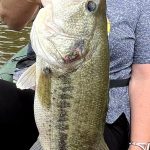
Primary Target: Largemouth Bass

Quail Creek is historically renowned for its trophy-class largemouth bass, having previously produced state record fish. With the water cooling, the largemouth are moving out of their deep summer sanctuaries and pushing toward shallower transition zones to gorge on bait before winter. You will find them heavily actively feeding during daylight hours, a welcome shift from the night-bite necessity of the summer months.

Sleeper Pick: Rainbow Trout

While bass steal the headlines, the deep, stratified nature of Quail Creek (reaching maximum depths of 120 feet) allows holdover rainbow trout to survive the summer by suspending in the cold bottom layers. As surface temperatures drop, these holdovers—which have been packing on weight—move up in the water column. Furthermore, the Utah Division of Wildlife Resources begins their heavy fall stocking cadence right around this time, meaning a fresh influx of aggressive, hungry rainbows is either imminent or already swimming.

Baitfish Report

The primary forage base consists of small bluegill, juvenile crappie, and various minnows. Bass are actively pushing schools of baitfish into the backs of coves and against steep rocky banks. Matching the hatch means utilizing lures with bluegill patterns (greens, chartreuses, and subtle purples) or classic shad/minnow profiles in silver and white.

TACTICAL STRATEGY

Where to Target

Focus your efforts on the northern bay weedlines and the prominent rocky points near the main earth-fill dam. The bass are utilizing the 15-to-25-foot drop-offs as ambush points. Start your morning working the eastern shoreline where the sun hits first, warming the shallows and drawing in baitfish. For trout, target the deeper water near the south roller-compacted concrete dam, working the 30-to-40-foot depth range where the water column is turning over.

Lure and Bait Selection

For largemouth bass, a 3/8oz football jig in green pumpkin or brown/purple is highly effective when dragged slowly down the rocky points. Pro Tip: Pair your jig with a matching craw trailer, but pinch the claws off to give it a smaller, more compact profile that perfectly mimics the local juvenile crawfish. If you spot bass busting bait on the surface, have a medium-sized walking topwater bait (like a Zara Spook in bone color) tied on and ready to cast.

For targeting suspended rainbow trout, troll a Rapala Shad Rap #5 in silver/black back, or cast a 1/8oz Kastmaster spoon in metallic gold. If you are fishing from the shore, rigging PowerBait (garlic scent, chartreuse color) on a sliding egg sinker rig with a 24-inch fluorocarbon leader will keep your bait floating just above the bottom grass.

Timing the Bite

The golden hours of dawn and dusk remain the most productive windows. However, because the water is cooling, the mid-morning window (9:00 AM to 11:30 AM) is seeing a surge in activity as the sun penetrates the water column and activates the bluegill, which in turn fires up the bass.

Pro Tip: Pay close attention to the wind-blown shorelines. A light chop on the water breaks up light penetration and pushes baitfish against the bank, creating a localized feeding frenzy for predatory bass.

REGULATIONS SNAPSHOT

Always consult the current Utah Fishing Guidebook before hitting the water, but keep these critical Quail Creek regulations in mind:

  • Largemouth Bass: The daily bag limit is 6 fish, but only 1 largemouth bass may be over 12 inches. This protects the trophy breeding stock while allowing harvest of smaller fish.
  • Smallmouth Bass: CRITICAL ADVISORY. Smallmouth bass are an illegally introduced invasive species in this reservoir. There is no limit on smallmouth bass, and anglers must not release any smallmouth they catch. All smallmouth bass must be immediately killed.
  • Trout: The general statewide limit applies, which is typically 4 trout in the aggregate.
  • Health Advisory: There is a standing fish consumption advisory for largemouth bass in Quail Creek due to elevated mercury levels. Catch and release is highly encouraged for the bass population.
SpeciesBag LimitSize Restrictions
Largemouth Bass6Only 1 over 12 inches
Smallmouth BassNo LimitMust be killed immediately
Rainbow Trout4No size restrictions
Panfish (Bluegill/Crappie)50Combined aggregate

REGIONAL ALTERNATIVE

If the wind is howling through the Quail Creek canyon making boat control impossible, or if you simply want a change of scenery, head 15 minutes south to Sand Hollow Reservoir. Sand Hollow offers a massive surface area with stunning red rock formations and is arguably the most famous bass fishery in Utah. While the average size of the bass might be slightly smaller than Quail Creek's trophy fish, the sheer numbers and bite consistency at Sand Hollow are unmatched.

Target the submerged brush and rocky ledges along the southern shoreline of Sand Hollow using drop-shot rigs with 4-inch finesse worms in oxblood or desert craw colors. Sand Hollow also boasts excellent facilities, multiple paved ramps, and plenty of protected coves where you can hide from prevailing winds.

Tight lines!

🎣Nautrek

Beta testers wanted

The fishing network where your reputation matters.
Find trusted captains, join real trips with cost splitting, and build your Angler Rank. Your spots stay private — you decide who sees your intel.
✓ Verified anglers✓ Real trips✓ Spot privacy

Join the Android beta — Free →

We’ll email you a free Google Play test invite.
Nautrek app

Loading forecast...

Live Fishing Conditions: Tides, Weather & Waves

Get real‑time tides, marine weather, swell and solunar activity for each spot so you know exactly when conditions line up for your best chance at a bite.

🎣

Quail Creek

Loading coordinates...

🌤️

WEATHER CONDITIONS

Weather
-- °F
--°C

Loading...

🌡️
Feels Like --°F --°C
💧
Humidity --%
💨
Wind -- mph -- km/h
🧭
Direction --
📊
Pressure -- inHg -- hPa
☀️
UV Index --
🌊

MARINE CONDITIONS

🌊 Wave Height
-- ft
-- m
Loading...
🧭 Wave Direction
--°
Loading...
⏱️ Wave Period
-- s
Loading...
📈 Tide Status
-- ft
-- m
Loading...
🌙

LUNAR & SOLUNAR

🌕

Loading...

Illumination: --%

Major Period --:-- - --:-- --:-- - --:--
Minor Period --:-- - --:-- --:-- - --:--
🌅 Sunrise --:--
🌇 Sunset --:--
📅

24-HOUR FORECAST

Loading fishing conditions...

Fishing Spots Map

🎣
Book a Fishing Charter near Quail Creek Fishing Report Today 🎣

Local guides & charters. Verified captains, instant booking, best price guaranteed.

See Available Trips →

My location
Loading map...

Local Access & Facilities

Situated at the intersection of the rugged Texas Hill Country and the bustling urban sprawl of Austin, the Quail Creek area serves as a strategic logistical hub for anglers targeting the renowned Highland Lakes and the San Gabriel River system. While the immediate vicinity is defined by the limestone-rich geology of North Austin, seasoned captains recognize this location as the gateway to some of the state's most technical freshwater fisheries. The environment here is characterized by "karst" topography—a landscape of porous limestone that filters water to exceptional clarity, creating a visual hunting ground for game fish but demanding high-level presentation skills from the angler.

The atmosphere surrounding this fishery is a distinct blend of metropolitan convenience and raw, cedar-choked wilderness. To the north, the impounded waters of the San Gabriel River at Georgetown Lake offer a stark contrast to the manicured banks of Lady Bird Lake downtown. Here, the shoreline is rugged, lined with sharp limestone bluffs and dense juniper forests that seasoned locals refer to as "Cedar Breaks." This isn't just a place to wet a line; it is a technical arena where the bottom topography changes rapidly, and the water clarity often exceeds ten feet, requiring long casts and light fluorocarbon leaders.

For the expert angler, the primary draw here is a species mix that is somewhat unique for Central Texas. While Largemouth Bass are ubiquitous, the nearby reservoirs accessible from this hub are celebrated for a healthy population of Smallmouth Bass. The rocky structure and deep, clear water provide the ideal habitat for these bronze-backed fighters, attracting tournament pros looking to fill a mixed bag. Additionally, the presence of Hybrid Stripers and White Crappie allows for diverse seasonal strategies, making this a year-round destination for those who know how to read the seasonal movements of baitfish across the limestone ledges.

Access & Getting There

Navigating the access points around Quail Creek and the greater Austin area requires a strategic approach to traffic management. The I-35 corridor is the primary artery connecting anglers to the northern fisheries like Georgetown Lake, but it is notorious for heavy congestion. Seasoned skippers know that towing a boat through this sector between 7:00 AM and 9:00 AM on weekdays can result in significant delays. The preferred strategy is an early "dawn patrol" departure, aiming to hit the Cedar Breaks Park gates right as they open to secure prime trailer parking and beat the recreational traffic that swells by mid-morning.

For those launching at Georgetown Lake, the primary facility is located at Cedar Breaks Park, approximately 21 miles north of the Quail Creek center. This is a Corps of Engineers facility, meaning the infrastructure is robust, but the water levels can fluctuate significantly based on rainfall and municipal water use. The ramps here are generally wide and paved, designed to handle heavy bass boats and center consoles. However, during periods of low water, the end of the ramp can become slick with algae, and the drop-off to the lakebed can be steep. It is advisable to check current lake levels before hitching up, as a variance of just a few feet can alter the launch geometry significantly.

💡 Captain's Tip: Launch Ramp Traction

The limestone dust and algae common at Hill Country ramps like Cedar Breaks can make the concrete incredibly slick, especially during low water levels. Use 4-wheel drive when pulling out heavy fiberglass boats, and ensure your parking brake is fully engaged before stepping out of the truck.

Alternative access for the Colorado River system is available at the 360 Bridge Boat Landing (Pennybacker Bridge), located roughly 5.8 miles from the central hub. This ramp provides access to Lake Austin. While scenic, this is one of the busiest launch points in the state. Competitive anglers avoid this ramp on weekends after 10:00 AM due to the high volume of wakeboard boats and paddlers. If you are targeting the grass lines on Lake Austin, plan to launch in the dark. The parking lot here is tight, and maneuvering a 21-foot trailer requires patience and precision.

Weather plays a critical role in access decisions in this region. The open basins of the local reservoirs are susceptible to high winds, particularly when the spring southerlies kick up. Georgetown Lake lacks significant wind protection due to the surrounding savannah and low-lying scrub. When wind speeds exceed 15 knots, the main lake can develop a dangerous chop that makes boat control difficult for spot-locking on offshore structure. In these conditions, utilizing the leeward coves near the dam or shifting focus to the more riverine sections of the San Gabriel can save the day.

Quail Creek Pre-Trip Checklist

Facilities & Amenities

The infrastructure surrounding Quail Creek is highly developed, offering expert anglers access to specialized equipment and services that smaller rural fisheries lack. However, the urban density means that navigating these amenities with a trailer requires foresight. Unlike coastal fishing towns where every gas station sells marine fuel and ice, this is a metropolitan environment where selecting the right vendor matters.

For tackle and technical gear, Tackle Shack, ATX is the premier local outfitter, located just 3.6 miles from the center point. Unlike big-box stores, this shop is tuned into the local bite, stocking the specific colors of crankbaits and soft plastics that mimic the local forage in clear water. They are a reliable source for real-time intelligence on lake levels and bass patterns. For live bait, specifically minnows for crappie or hybrid striper fishing, anglers may need to travel further north to Sambass Market in Round Rock (11.3 miles), which caters more directly to the live-bait crowd.

💡 Captain's Tip: Urban Parking Hazards

Many "public parking" locations in Austin, such as the Central Parking garages listed in standard directories, have low clearance heights and tight turns incompatible with boat trailers. Do not attempt to enter urban garages with a vessel. Stick to surface lots or designated trailer parking at the ramps.

The local charter fleet is well-regarded, particularly for guides specializing in the use of forward-facing sonar and deep-water tactics. Operators like Torwick's Guiding Service and Hill Country Bass Coach have established reputations for dissecting the offshore structure that holds the biggest fish. These are not typically "tourist" trips but rather technical sessions suited for anglers looking to improve their electronics game or learn the nuances of the Highland Lakes.

Lodging logistics are critical for multi-day trips. While the AT&T Hotel and Conference Center offers high-end amenities, it is ill-suited for boat parking. For anglers towing rigs, the Austin East KOA Holiday (8 miles away) or the campsites directly at Cedar Breaks Park are far superior options. Staying at Cedar Breaks allows for immediate water access, maximizing fishing time during the prime dawn and dusk windows. The park offers 59 reservable campsites with electric hookups, suitable for charging trolling motor batteries overnight.

Facility NameTypeDistanceAngler Notes
Tackle Shack, ATXGear & Tackle3.6 miPro-level selection; opens 10 AM (Tue) or 9 AM (Wed-Sun). Closed Mondays.
Sambass MarketBait & Supplies11.3 miOpens 6 AM daily. Reliable for live bait and early ice.
Austin East KOALodging/RV8.0 miTrailer-friendly; shore power available for charging.
Cycle GearParts/Accessory1.7 miGood for tie-downs, casual gear, or emergency trailer needs.

Permits, Regulations & Fees

Navigating the regulatory landscape here requires attention to both state laws and specific federal overlay zones. The primary fisheries are managed by the Texas Parks and Wildlife Department (TPWD), requiring a valid Texas freshwater fishing license for all anglers aged 17 and older. Enforcement is active, particularly on weekends, and game wardens frequently check live wells for compliance with length limits. Specifically, for Smallmouth Bass, regulations can vary by lake, so it is imperative to check the specific annual outlook for Georgetown Lake versus Lake Austin.

Beyond the standard state license, the Cedar Breaks Park facility operates under the jurisdiction of the U.S. Army Corps of Engineers. This means that access often requires an entry fee or a valid America the Beautiful pass. The park utilizes an automated gate system in some areas, and reservations for camping must be made in advance through the official recreation portals. Cancellations are strict; once a reservation date has begun, modifications are often impossible, so plan your trip dates with certainty.

A unique regulatory consideration in this area involves the Balcones Canyonlands National Wildlife Refuge. Located to the west, this refuge protects the habitat of the golden-cheeked warbler and black-capped vireo. While the refuge offers some hunting and hiking, it is primarily a conservation zone. Anglers exploring the upper reaches of tributaries or accessing remote creeks should be hyper-aware of refuge boundaries. Trespassing into nesting zones during the spring breeding season is a serious federal offense. Furthermore, the "karst" geology means that the aquifer is highly sensitive to pollution. Special care must be taken to prevent fuel spills or the introduction of invasive species like Zebra Mussels—clean, drain, and dry your boat before moving between bodies of water.

Events & Seasonal Information

The fishing calendar in the Austin area is dictated by the extreme heat of the Texas summer and the distinct spawn cycles of spring. The "pre-spawn" movement typically begins in late February or early March, when big females move from the deep limestone ledges into the shallows. This is the prime window for trophy hunters. During this period, boat traffic at ramps like 360 Bridge and Cedar Breaks intensifies significantly due to local bass club tournaments.

As summer sets in, with air temperatures often exceeding 100°F, the fishery shifts to a nocturnal rhythm. Expert anglers switch to night fishing to escape the heat and recreational boat traffic. The bite for Hybrid Stripers often ignites under the cover of darkness or during the first hour of daylight. During these months, the "dawn patrol" isn't just a preference; it's a safety necessity to avoid heat exhaustion. The trade winds usually pick up by 10:00 AM, providing some relief but also churning up the main lake basins.

💡 Captain's Tip: Summer Hydration & Heat

The limestone terrain reflects heat, creating on-water temperatures that feel significantly hotter than the forecast. When fishing Georgetown or Lake Austin in summer, carry double the water you think you need. The most productive fishing often occurs between 8:00 PM and 2:00 AM.

Fall brings a secondary peak in activity as shad migrate into the creeks, and schooling fish become common. This is often the most pleasant time to fish, with lower traffic and active wildlife. Winter fishing is technical and slow, often involving vertical jigging spoons or drop-shot rigs in 30+ feet of water, targeting suspended fish that have pulled back to the main river channels.

Contact Information & Resources

For the most current information on lake levels and ramp closures, direct contact with the managing agencies is essential. The Georgetown Lake Office (Corps of Engineers) can be reached at (512) 930-5253; they are the authority on flood control operations which can shut down boat ramps without warning. For issues regarding the wildlife refuge or specific conservation questions, the Balcones Canyonlands National Wildlife Refuge headquarters is available at 512-339-9432.

In the event of an on-water emergency, cell reception is generally good across the main lakes due to the proximity to Austin, but dead zones exist in the deep river canyons. Always file a float plan. For precise locations of the boat ramps, real-time wind conditions, and detailed bathymetry of the nearby reservoirs, consult the live dashboard and interactive maps below.

🎣

Quail Creek

Austin • Texas • 30.3627, -97.7022
🅿️

Parking

5
Uptown Valet & Transportation
⭐ 5.0 15.0 mi
📍 9901 Brodie Ln #160-250, Austin, TX 78748, USA
🕒
Monday: Open 24 hours
Tuesday: Open 24 hours
Wednesday: Open 24 hours
Thursday: Open 24 hours
Friday: Open 24 hours
Saturday: Open 24 hours
Sunday: Open 24 hours
🚗 Get Directions
Cycle Gear
⭐ 4.7 1.7 mi
📍 9070 Research Blvd, Austin, TX 78758, USA
🕒
Monday: 10:00 AM – 7:00 PM
Tuesday: 10:00 AM – 7:00 PM
Wednesday: 10:00 AM – 7:00 PM
Thursday: 10:00 AM – 7:00 PM
Friday: 10:00 AM – 7:00 PM
Saturday: 10:00 AM – 6:00 PM
Sunday: 10:00 AM – 6:00 PM
🚗 Get Directions
🐟

Bait & Tackle

3
Tackle shop
⭐ 5.0 12.7 mi
📍 913 Stoneoak Ln, Austin, TX 78745, USA
🚗 Get Directions
Tackle Shack, ATX
⭐ 5.0 3.6 mi
📍 1000 E 51st St, Austin, TX 78751, USA
🕒
Monday: Closed
Tuesday: 10:00 AM – 6:00 PM
Wednesday: 9:00 AM – 6:00 PM
Thursday: 9:00 AM – 6:00 PM
Friday: 9:00 AM – 6:00 PM
Saturday: 9:00 AM – 6:00 PM
Sunday: 9:00 AM – 5:00 PM
🚗 Get Directions
Sambass Market
⭐ 4.6 11.3 mi
📍 2111 Sam Bass Rd unit 100, Round Rock, TX 78681, USA
🕒
Monday: 6:00 AM – 11:00 PM
Tuesday: 6:00 AM – 11:00 PM
Wednesday: 6:00 AM – 11:00 PM
Thursday: 6:00 AM – 11:00 PM
Friday: 6:00 AM – 11:00 PM
Saturday: 6:00 AM – 11:00 PM
Sunday: 7:00 AM – 10:00 PM
🚗 Get Directions
🚤

Fishing Charters

5
ATX FISHING
⭐ 5.0 19.6 mi
📍 313 Leisurewoods Dr, Buda, TX 78610, USA
🕒
Monday: Open 24 hours
Tuesday: Open 24 hours
Wednesday: Open 24 hours
Thursday: Open 24 hours
Friday: Open 24 hours
Saturday: Open 24 hours
Sunday: Open 24 hours
🚗 Get Directions
Central Texas Fishing Guide, LLC
⭐ 5.0 19.8 mi
📍 1503 Emerald Rd, Lago Vista, TX 78645, USA
🕒
Monday: 6:00 AM – 10:00 PM
Tuesday: 6:00 AM – 10:00 PM
Wednesday: 6:00 AM – 10:00 PM
Thursday: 6:00 AM – 10:00 PM
Friday: 6:00 AM – 10:00 PM
Saturday: 6:00 AM – 10:00 PM
Sunday: 6:00 AM – 10:00 PM
🚗 Get Directions
Bass Tours ATX Fishing Charter - Austin
⭐ 5.0 18.7 mi
📍 7909 Folklore Cir, Lago Vista, TX 78645, USA
🕒
Monday: Open 24 hours
Tuesday: Open 24 hours
Wednesday: Open 24 hours
Thursday: Open 24 hours
Friday: Open 24 hours
Saturday: Open 24 hours
Sunday: Open 24 hours
🚗 Get Directions
Torwick's Guiding Service
⭐ 5.0 12.8 mi
📍 4370 Mansfield Dam Rd, Austin, TX 78732, USA
🕒
Monday: 7:00 AM – 7:00 PM
Tuesday: 7:00 AM – 7:00 PM
Wednesday: 7:00 AM – 7:00 PM
Thursday: 7:00 AM – 7:00 PM
Friday: 7:00 AM – 7:00 PM
Saturday: 7:00 AM – 7:00 PM
Sunday: 7:00 AM – 7:00 PM
🚗 Get Directions
Hill Country Bass Coach
⭐ 5.0 16.5 mi
📍 1405 Roaring Fork, Leander, TX 78641, USA
🕒
Monday: 6:00 AM – 11:00 PM
Tuesday: 6:00 AM – 11:00 PM
Wednesday: 6:00 AM – 11:00 PM
Thursday: 6:00 AM – 11:00 PM
Friday: 6:00 AM – 11:00 PM
Saturday: 6:00 AM – 11:00 PM
Sunday: 6:00 AM – 11:00 PM
🚗 Get Directions
🏠

Lodging

5
The Ball Farm
⭐ 4.8 24.6 mi
📍 119 Redbird Ln, Dale, TX 78616, USA
🚗 Get Directions
Chris Taylor Racing Services
⭐ 4.8 17.1 mi
📍 13807 FM812, Del Valle, TX 78617, USA
🕒
Monday: 10:00 AM – 5:00 PM
Tuesday: 10:00 AM – 5:00 PM
Wednesday: 10:00 AM – 5:00 PM
Thursday: 10:00 AM – 5:00 PM
Friday: 10:00 AM – 5:00 PM
Saturday: Closed
Sunday: Closed
🚗 Get Directions
AT&T Hotel and Conference Center
⭐ 4.7 6.0 mi
📍 AT&T Executive Education & Conference Center, 1900 University Ave, Austin, TX 78705, USA
🕒
Monday: 12:00 AM – 11:00 PM
Tuesday: 12:00 AM – 11:00 PM
Wednesday: 12:00 AM – 11:00 PM
Thursday: 12:00 AM – 11:00 PM
Friday: 12:00 AM – 11:00 PM
Saturday: 12:00 AM – 11:00 PM
Sunday: 12:00 AM – 11:00 PM
🚗 Get Directions
Austin East KOA Holiday
⭐ 4.7 8.0 mi
📍 6029 Blue Bluff Rd, Austin, TX 78724, USA
🕒
Monday: Open 24 hours
Tuesday: Open 24 hours
Wednesday: Open 24 hours
Thursday: Open 24 hours
Friday: Open 24 hours
Saturday: Open 24 hours
Sunday: Open 24 hours
🚗 Get Directions
LVPOA - Campground (POA Members Only)
⭐ 4.7 18.7 mi
📍 21301 Paseo De Vaca St, Lago Vista, TX 78645, USA
🕒
Monday: Open 24 hours
Tuesday: Open 24 hours
Wednesday: Open 24 hours
Thursday: Open 24 hours
Friday: Open 24 hours
Saturday: Open 24 hours
Sunday: Open 24 hours
🚗 Get Directions
⚓

Boat Ramps

3
🚻

Restrooms

3
👨‍👩‍👧‍👦

Family Friendly

2
♿

Accessibility

♿

Wheelchair Access

Not Confirmed

🐕

Pets Allowed

Not Confirmed

⚠️ Some accessibility info not officially confirmed. Please verify with location directly.

📍 Showing 26 facilities on map
🎣
Book a Fishing Charter near Quail Creek Fishing Report Today 🎣

Local guides & charters. Verified captains, instant booking, best price guaranteed.

See Available Trips →

📊

About Our Fishing Reports & Forecasts

Our spot reports combine data-driven forecasts with curated local information. The forecast is generated by our proprietary Fishing Score algorithm (0–100%), which analyzes real-time data from Open-Meteo API, validated against NOAA CO-OPS tide gauges and USGS water-monitoring stations. The model weights tide dynamics (35%), wave energy (25%), wind patterns (20%) and time of day (20%)—factors shown to influence fish feeding behavior through marine-biology research and decades of charter log data.

Access, facilities and services information for each fishing spot is sourced from official datasets such as Recreation.gov (RIDB), state park & wildlife agencies, and geospatial providers like Google Maps. These sections undergo scheduled re-validation every 3–6 months to ensure that boat ramps, park access, contact details and local services remain accurate.

Narrative sections (catches, seasonal behavior, local tips) are synthesized from these data sources and refined following the Fishing Reports Today editorial guidelines, combining bibliographic research from ichthyology and oceanography with expert angler experience. Our team reviews reports on a regular basis, while the forecast model itself updates every 6 hours for real-time accuracy.

⚠️ Important: Always verify current local regulations, access restrictions and weather conditions before fishing. These reports are intended as a planning aid, not a guarantee of catches or safety. When in doubt, contact local authorities or park managers listed on the page.

Learn more about our methodology & data sources →

Leave a Reply

Your email address will not be published. Required fields are marked *