Lake Whitney, Texas Fishing Report Today 🎣
12 months ago · Updated 2 days ago

Lake Whitney Fall Fishing Report: The Shad Migration
1. GO/NO-GO STATUS
Verdict: GO
Current seasonal conditions make Lake Whitney a premier destination for anglers right now. As the intense summer heat gives way to cooler autumn temperatures, the reservoir is experiencing the classic fall transition. The thermocline is breaking down, oxygen levels are stabilizing throughout the water column, and the cooling surface temperatures are triggering aggressive feeding behaviors across multiple species. Weather impacts are generally favorable this time of year, though anglers should remain vigilant for passing cold fronts that can temporarily bring high winds and choppy conditions to the main lake basin. The limestone bluffs offer some wind protection, but always check the forecast before making a long run. Water clarity remains typically stained to clear depending on your location, with the clearest water found on the lower end near the dam.
2. SPECIES INTEL
Primary Target: Striped Bass and White Bass
The undisputed kings of the fall transition on Lake Whitney are the striped bass and their smaller cousins, the white bass. As water temperatures drop, these schooling predators go on a feeding frenzy, actively pushing massive bait balls toward the surface and into the backs of major creeks. The action can be explosive, with surface-feeding frenzies providing incredible visual strikes.

Sleeper Pick: Trophy Blue Catfish
While most anglers are chasing the surface action for stripers, the blue catfish bite is quietly turning on. Lake Whitney is a highly underrated trophy blue catfish fishery. As the water cools, these massive bottom-dwellers begin feeding heavily to build fat reserves for the winter, moving from their deep summer haunts into more accessible depths along river channel ledges and shallow flats adjacent to deep water.
Baitfish Report: Threadfin and Gizzard Shad
The entire fall ecosystem on this Brazos River impoundment revolves around the shad migration. Threadfin and small gizzard shad are currently moving out of the deep main-lake basin and migrating into the shallower creeks and coves. Matching the hatch is critical right now; your presentations must mimic a two- to four-inch fleeing shad to draw consistent strikes.
3. TACTICAL STRATEGY
Where to Find the Fish
For striped and white bass, focus your efforts on the middle to lower portions of the reservoir, specifically scanning the open water between McCown Valley and the State Park. Rely heavily on your electronics to locate the bait balls in 20 to 40 feet of water. Alternatively, keep your eyes on the sky; actively diving gulls and terns are a dead giveaway for schooling fish pushing bait to the surface. For largemouth and smallmouth bass, target the rocky shorelines, limestone bluffs, and transition banks near Cedron Creek and Plowman Creek. Focus on the 5- to 15-foot depth range where chunk rock meets gravel.
Pro Tip: When chasing surface-feeding stripers, do not run your big outboard right into the middle of the school. Cut your engine 100 yards upwind and use your trolling motor to silently drift into casting range. Spooking the bait ball will instantly shut down the bite.
Lure and Bait Selection
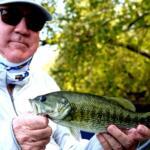
When targeting the schooling stripers and white bass, a 1/2-ounce to 3/4-ounce silver slab spoon or a white bucktail jig paired with a curly-tail grub is highly effective. If they are busting the surface, a walk-the-dog topwater plug like a Zara Spook in a bone or chrome finish will draw vicious strikes. For largemouth bass holding on the rocky points, a medium-diving crankbait in a crawfish or sexy shad pattern is your best bet, along with a 3/8-ounce white and chartreuse spinnerbait retrieved parallel to the rock walls.
Pro Tip: If the topwater striper action abruptly stops, do not leave the area immediately. The fish have likely just pushed the bait deeper. Drop a heavy silver slab spoon straight down to the bottom and utilize a fast, ripping retrieve to trigger reaction strikes from the larger fish holding below the main school.
Live Bait Rigging
If you prefer fishing with bait, live threadfin shad fished on a Carolina rig or a freeline setup is unbeatable for trophy stripers. Use a 2/0 to 4/0 circle hook to ensure healthy catch-and-release. For the sleeper blue catfish, utilize fresh cut gizzard shad or cut carp. Fish these on a slip-sinker rig with a 6/0 to 8/0 circle hook along the edges of the Brazos River channel or on the shallow wind-blown flats where bait is getting pushed against the bank.
Timing the Bite
The first two hours of daylight and the last two hours before sunset are the golden windows. The low-light conditions make the baitfish vulnerable and trigger the most aggressive feeding windows. However, during overcast fall days, the topwater schooling action can persist well into the midday hours.
4. REGULATIONS SNAPSHOT
Always verify current regulations with the Texas Parks and Wildlife Department before hitting the water. Below is a snapshot of the statewide regulations that apply to Lake Whitney:
| Species | Minimum Length | Daily Bag Limit | Special Notes |
|---|---|---|---|
| Largemouth Bass | 14 inches | 5 (combined) | Includes smallmouth and spotted bass in the combination. |
| Striped Bass | No minimum | 5 | Only 2 fish may be over 20 inches in length. |
| White Bass | 10 inches | 25 | Excellent for filling the cooler. |
| Blue & Channel Catfish | No minimum | 25 (combined) | Only 10 fish can be 20 inches or greater. |
5. REGIONAL ALTERNATIVE
If high winds make the expansive open waters of Lake Whitney unsafe or unfishable, Lake Aquilla is your premier backup destination. Located roughly 35 miles north of Waco, this 3,000-acre reservoir offers excellent protection from heavy winds due to its smaller size and heavily timbered creeks.
Lake Aquilla is renowned for its phenomenal crappie fishing. The Hackberry and Aquilla Creek arms are loaded with standing timber. The water here is typically more stained than Whitney, which keeps the crappie relatively shallow. Target submerged brush piles and isolated standing timber in 10 to 15 feet of water. A 1/16-ounce marabou jig or a live minnow fished vertically on a slip bobber rig will quickly put a limit of slab crappie in the boat. Additionally, the shallow, wind-blown banks on Aquilla are fantastic for channel catfish using prepared punch baits or cut shad.
Pro Tip: Because of the heavy cover and standing timber in Lake Aquilla, step up your line size slightly. Switching to a 6-pound or 8-pound test fluorocarbon will save you from losing fish and tackle when a slab crappie wraps you around a submerged cedar branch.
Tight lines!
Bandit Walleye Deep
Mandatory for reaching deep schools in 35-50ft mud flats.
Check Price on Amazon #adAs an Amazon Associate I earn from qualifying purchases. #ad
Live Fishing Conditions: Tides, Weather & Waves
Get real‑time tides, marine weather, swell and solunar activity for each spot so you know exactly when conditions line up for your best chance at a bite.
Lake Whitney, Texas
Loading coordinates...
WEATHER CONDITIONS

Loading...
MARINE CONDITIONS
LUNAR & SOLUNAR
Loading...
Illumination: --%
24-HOUR FORECAST
Fishing Spots Map
Local guides & charters. Verified captains, instant booking, best price guaranteed.
Local Access & Facilities
Lake Whitney, Texas
Parking
Bait & Tackle
Fishing Charters
Lodging
Boat Ramps
Restrooms
Family Friendly
Accessibility
Wheelchair Access
Available
Pets Allowed
Not Confirmed
⚠️ Some accessibility info not officially confirmed. Please verify with location directly.
Local guides & charters. Verified captains, instant booking, best price guaranteed.
Nearby Spots


About Our Fishing Reports & Forecasts
Our spot reports combine data-driven forecasts with curated local information. The forecast is generated by our proprietary Fishing Score algorithm (0–100%), which analyzes real-time data from Open-Meteo API, validated against NOAA CO-OPS tide gauges and USGS water-monitoring stations. The model weights tide dynamics (35%), wave energy (25%), wind patterns (20%) and time of day (20%)—factors shown to influence fish feeding behavior through marine-biology research and decades of charter log data.
Access, facilities and services information for each fishing spot is sourced from official datasets such as Recreation.gov (RIDB), state park & wildlife agencies, and geospatial providers like Google Maps. These sections undergo scheduled re-validation every 3–6 months to ensure that boat ramps, park access, contact details and local services remain accurate.
Narrative sections (catches, seasonal behavior, local tips) are synthesized from these data sources and refined following the Fishing Reports Today editorial guidelines, combining bibliographic research from ichthyology and oceanography with expert angler experience. Our team reviews reports on a regular basis, while the forecast model itself updates every 6 hours for real-time accuracy.
⚠️ Important: Always verify current local regulations, access restrictions and weather conditions before fishing. These reports are intended as a planning aid, not a guarantee of catches or safety. When in doubt, contact local authorities or park managers listed on the page.

Leave a Reply