


Overview: High-Altitude Angling in the Shadow of the Tetons
Jackson Lake is not merely a body of water; it is a high-altitude inland sea dominated by the imposing, jagged silhouette of Mount Moran and the Cathedral Group. For the serious angler, this glacial impoundment offers a unique challenge that combines technical deep-water fishing with some of the most dramatic scenery in the American West. The lake stretches nearly 15 miles long and 7 miles wide, with depths plunging over 400 feet. This is big water that demands respect, heavy-duty gear, and a strategic approach to navigating its vast, cold basins.
The atmosphere here is distinctly alpine and rugged. Unlike the manicured reservoirs of the lower 48, Jackson Lake is lined with dense lodgepole pine forests and glacial moraines. The vibe is one of remote wilderness accessibility; while you have the comforts of Colter Bay Village and Signal Mountain nearby, once you throttle down in the middle of the lake, you are in the wild. The water temperatures hover between 50 and 70 degrees during the operating season, creating a specific thermocline that seasoned captains must monitor closely to locate the trophy Lake Trout (Mackinaw) and Cutthroat that patrol these depths.
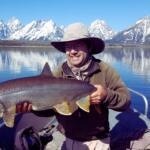
Primary targets here are heavy hitters. While shore anglers might pick at smaller trout, the boat-based pro is hunting the massive Lake Trout that dwell in the abyssal depths of the main channel. The fishery is managed within Grand Teton National Park, meaning the experience is preserved and pristine, but it also comes with a layer of federal regulation and environmental stewardship that every visiting captain must adhere to strictly.
Access & Getting There
Reaching Jackson Lake requires navigating the high-desert arteries of Wyoming. The primary access corridor is US Highway 89/191/287. If you are towing a heavy rig from Jackson, Wyoming, expect a drive of approximately 30 to 40 miles north. The route is paved and generally wide, but traffic during the peak summer months (July and August) can be dense with rental cars and RVs. Pros know to time their arrival for the pre-dawn hours to avoid the "bison jams" and tourist convoys that clog the entrance gates at Moose and Moran.
There are two primary boat launch hubs that serve as the nerve centers for fishing operations on the lake: Colter Bay to the north and Signal Mountain to the south. The Colter Bay Marina is the heavy-lifter of the two, offering a substantial ramp capable of handling larger deep-V hulls. The approach is wide, but be mindful that late-season drawdowns can affect ramp usability. The Signal Mountain ramp offers centralized access to the southern basin and the Snake River outlet, but parking there can be tighter for long trailers.
💡 Captain's Tip: Morning Rhythms
Jackson Lake generates its own weather systems. The Teton Range accelerates downdrafts, and calm mornings can turn into dangerous 3-foot chop by 11:00 AM. Seasoned skippers launch by 6:00 AM, fish the open basins hard, and retreat to the leeward bays or the marina when the mid-day winds kick up.
Parking strategy is critical here. At Colter Bay, the lots are expansive but fill rapidly with hikers and sightseers. The designated trailer parking is generally reliable, but theft—while rare—can happen; ensure your gear is locked. At Signal Mountain, the lot is smaller. If you are arriving after 8:00 AM on a weekend, you may be forced to park in overflow areas significantly farther from the water. Always check the current water levels before committing to a specific ramp, as drought years can leave the concrete aprons high and dry.
Weather contingencies are a mandatory part of your float plan. In the event of sudden squalls, which are common in the afternoons, the lake's sheer size creates significant fetch. If you are fishing the central trench and a storm rolls over Mount Moran, run immediately for the protection of the nearest bay (like Spalding Bay or Bearpaw Bay) rather than trying to race the storm back to the marina. The water is dangerously cold, and hypothermia is a real risk even in July.
Jackson Lake Fishing Report Today 🎣 Pre-Trip Checklist
Facilities & Amenities
The infrastructure around Jackson Lake is robust, designed to support long-term stays and serious expeditions. However, it is segmented between two main hubs, each offering different advantages for the angler.
Colter Bay Village acts as the primary logistical command post. It features a full-service marina, which is essential for fueling up big outboards without hauling the boat out of the water. The Colter Bay General Store is surprisingly well-stocked, offering grocery staples, ice, and basic camping supplies. For anglers needing last-minute terminal tackle or bait, the marina store usually carries a selection of lures specific to the local forage base, though specialized heavy jigging gear should be brought from town. The village also hosts laundry and shower facilities—a luxury for those on multi-day camping trips.
Signal Mountain Lodge provides a slightly more upscale but equally rugged base. It features a general store with gas pumps, a bar, and a restaurant that offers a reprieve after a long day on the water. The marina here also offers rentals and fuel. It is important to note a critical piece of "negative knowledge": while there are stores, specialized marine repair services are non-existent on the water. If you spin a prop or blow a fuse, you are driving back to the town of Jackson. Carry a comprehensive tool kit and spares.
💡 Captain's Tip: Power Management
If you are staying in the Colter Bay Tent Cabins, be aware they have wood stoves but no electrical outlets. If your boat relies on trolling motor batteries that need nightly charging, you must bring a portable generator (permitted only in specific loops) or book a site in the RV park where hookups are available.
Lodging options are diverse. The Colter Bay Tent Village offers a rustic "glamping" experience with log-walled canvas tents, ideal for keeping gear dry but lacking in power. For those requiring hard-sided accommodation, the Signal Mountain Lodge offers cabins. Colter Bay Campground is massive, with 338 sites, but it operates on a first-come, first-served basis for many spots and fills up by noon. The "hiker-biker" sites are irrelevant for boaters, but the ADA sites offer electric hookups which can be a lifesaver for charging boat electronics.
| Facility | Colter Bay | Signal Mountain |
|---|---|---|
| Fuel/Gas | Available at Marina & Store | Available at Store/Marina |
| Boat Launch | Wide, Heavy Capacity | Standard, Central Lake Access |
| Ice & Provisions | Full Grocery & Gift Shop | General Store |
| Showers/Laundry | Fee-based, Public | Token Operated |
| Connectivity | WiFi at Restaurants/Marina | Cell Tower On-Site |
Permits, Regulations & Fees
Fishing Jackson Lake is a privilege guarded by strict federal and state regulations. Because the lake lies within Grand Teton National Park, you are subject to a dual-layer of bureaucracy. First, a Wyoming State Fishing License is mandatory for all anglers. Second, a park entrance fee is required to access the boat ramps. While a specific "park fishing permit" isn't always a separate document from the state license, regulations regarding catch limits, bait types, and species protection are enforced by National Park Service rangers, not just state game wardens.
Conservation is the ethos here. The use of live bait fish is strictly prohibited to prevent the introduction of invasive species, a rule that is aggressively enforced. Anglers should be prepared to present their boat for Aquatic Invasive Species (AIS) inspections upon entering the park. Failure to have a clean, drained, and dry boat can result in being turned away at the gate.
Cultural respect and safety regulations intertwine regarding wildlife. This is prime grizzly bear habitat. The Colter Bay Visitor Center houses the David T. Vernon Indian artifacts collection, reminding visitors of the long human history in Jackson Hole. This respect for the land extends to your campsite: food storage lockers (bear boxes) are provided at every site and must be used. Leaving a cooler in an open boat or on a picnic table is a violation of federal law and poses a severe safety risk.
Events & Seasonal Information
The fishing calendar on Jackson Lake is dictated by the thaw. The season generally runs from mid-May through late September. Early season (May/June) is often the most productive for surface action, as the water remains cool enough for trout to feed in the shallows. As summer progresses into July and August, the thermocline drops, and the fish go deep—often below 60 to 80 feet. This is when downriggers and heavy jigging tactics become essential.
💡 Captain's Tip: The Shoulder Seasons
May and October are high-risk, high-reward months. You may encounter lingering snowpack or early winter blizzards. However, the boat traffic is non-existent, and the biggest Mackinaw often move shallower to feed aggressively before and after the ice. Ensure your vessel is equipped with survival gear if fishing these fringes.
While there are no massive commercial tournaments that dominate the lake, the local culture revolves around the "dawn patrol." The rhythm of the lake is consistent: calm, glassy waters from 5:00 AM to 9:00 AM, followed by building trade winds. The Colter Bay Marina comes alive early, and savvy anglers are usually off the water and cleaning fish by 1:00 PM. Be aware that services like the tent cabins and marina rentals shut down by early September, even if the fishing is still good.
Contact Information & Resources
For current ramp conditions, water levels, and emergency assistance, direct communication with the managing agencies is vital. The Grand Teton National Park headquarters can be reached at (307) 739-3399. For reservations and specific facility questions regarding the campgrounds and marinas, Grand Teton Lodge Company (GTLC) is the concessionaire; they can be reached at 307-543-2811.
In an emergency, cell service can be spotty, particularly in the northern reaches of the lake near Elk Island. Signal Mountain has a dedicated cell tower, making it the best location for connectivity. VHF radios are recommended for boats venturing into the main channel. Always file a float plan with someone on shore.
For precise GPS coordinates of the boat ramps, real-time wind data, and detailed bathymetry of the deep trenches, consult the interactive maps and live dashboard widgets located directly below this guide.

Leave a Reply