Current conditions in the Cache County and Smithfield Canyon area require a highly tactical and observant approach. As we navigate the volatile early spring transition, we are dealing with dynamic pre-runoff conditions. The lower elevation snowpack is beginning its initial melt phase, which can cause rapidly fluctuating water levels and periods of off-color, stained water in local creeks and main river stems. However, the heavy high-elevation snowmelt hasn't fully blown out the watershed yet, leaving a prime window of opportunity for dedicated anglers.
Water temperatures remain frigid, typically hovering in the high thirties to low forties, meaning fish are still somewhat sluggish but actively feeding during the warmest parts of the day to replenish depleted winter fat reserves. Wading safety is absolutely paramount right now. You must use studded wading boots and a reliable wading staff, as slick, algae-covered rocks and deceptively strong spring currents can be incredibly hazardous. Always monitor the water clarity when you arrive; if you see a sudden influx of muddy water or floating debris, move upstream above the blowout or pivot to stillwater.
π£Nautrek
Private Beta
J
M
R
100+ anglers on the waitlist
The fishing network where your reputation matters.
Find trusted captains, join real trips with cost splitting, and build your Angler Rank. Your spots stay private — you decide who sees your intel.
Based on recent biological sampling, citizen science ground-truth data, and on-the-water observations from the Uinta-Wasatch-Cache National Forest and Smithfield Canyon areas, here is your target hierarchy for the current season:
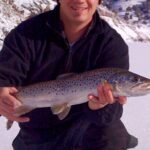
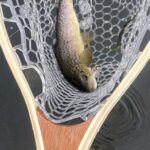
Primary Target: Brown Trout. Dominating the recent catch reports, wild Browns are currently the apex predators and the most active species in the watershed. With verified catches localized in the Cache County and Uinta-Wasatch-Cache National Forest canyon systems, these aggressive fish are holding in deeper, slower water. They are highly territorial right now and willing to strike a well-presented meal that invades their space.
Sleeper Pick: Rainbow Trout. While often overshadowed by the local Brown trout population, Rainbows are actively feeding, particularly in the Smithfield Canyon Road sector. They provide excellent mid-day action when the midge and mayfly hatches peak, often suspending slightly higher in the water column than the Browns.
Baitfish & Forage Report: At this time of year, aquatic insects make up the bulk of the forage base. Overturned rocks in the riffles reveal abundant cased caddis larvae, while midges and early Blue-Winged Olives (BWOs) make up the primary surface and near-surface hatches. For the larger, predatory Browns, sculpins and juvenile trout are the main caloric targets.
Pro Tip: Match the hatch by keeping your nymph profiles slim and your streamer presentations agonizingly slow. In cold water, a baitfish imitation stripped too fast will be ignored, but a sculpin pattern dead-drifted or slowly swung through a deep pool will trigger aggressive reaction strikes.
TACTICAL STRATEGY
Where to Deploy
Focus your efforts along the specific access points of the Smithfield Canyon Road and the lower boundary waters of the Uinta-Wasatch-Cache National Forest near Logan. In these cold water conditions, you must ignore the fast, shallow riffles that produce in the summer. Instead, target the four-to-six foot deep holding pools, prominent eddy lines, and the slow, cushioned seams behind large boulders. Fish are looking to maximize their caloric intake while minimizing their energy expenditure. Work the inside bends where the water velocity drops, allowing your nymphs or bait to drift naturally along the bottom structure.
Gear and Presentation
Flies and Lures
For fly anglers, a heavy tandem nymph rig is essential to get down to the strike zone. Lead with a heavy tungsten beadhead stonefly or a weighted sculpin pattern, trailed by a size #16-20 Pheasant Tail, Rainbow Warrior, or Chironomid (such as an Ice Cream Cone pattern). Spin anglers should deploy a size F05 or F07 floating Rapala in a Brown Trout or Rainbow Trout pattern. Alternatively, 1/8oz tungsten teardrop jigs or inline spinners are highly effective.
Colors and Profiles
Stick to natural, muted insect tonesβblack, olive, and brownβfor your nymphs and jigs. If the water becomes slightly stained from early runoff, switch to gold, chartreuse, or yellow spinners to maximize flash and vibration.
Bait Rigging
In zones where regulations permit bait fishing, drifting a small piece of nightcrawler or floating trout dough bait on a size #10 bait holder hook is highly effective. Place a small split shot 18 inches above the hook to keep the bait bouncing right along the gravel in the deeper pools.
Timing and Conditions
Sleep in and enjoy a warm breakfast. The absolute best bite window during the early spring transition is between 11:00 AM and 3:00 PM. The slight bump in water temperature during the peak solar radiation of mid-day triggers aquatic insect activity and significantly wakes up the trout's metabolism.
Pro Tip: When fishing deep pools, if you aren't occasionally ticking the bottom or losing a fly to a snag, you aren't fishing deep enough. Adjust your strike indicator or add split shot until you feel the bottom structure.
REGULATIONS SNAPSHOT
Before hitting the water, ensure your state fishing license is current. While general statewide regulations apply to many waters, specific canyon streams in this region have strict gear and harvest rules to protect wild trout populations:
General Cache County Streams (including lower reaches): Anglers are generally permitted a limit of 4 trout.
Logan River Specifics (Card Canyon Bridge to Red Banks): If you venture into the nearby Logan River system, be aware that the limit is reduced to 2 trout and whitefish in the aggregate. Most importantly, this section is strictly restricted to artificial flies and lures only. Leave the bait in the truck.
Handling and Transport Rules: Harvested trout may not be filleted on the water, and heads and tails must remain attached while in transit to allow for species and size identification by conservation officers.
Pro Tip: Stream designations and regulation boundaries often change at specific bridges, dams, and national forest boundaries. Always verify your exact location against the official Utah Fishing Guidebook to ensure compliance, especially regarding bait restrictions and seasonal closures.
REGIONAL ALTERNATIVE
Spring weather is notoriously unpredictable. If a sudden warm spell or heavy rainstorm causes a muddy blowout in Smithfield Canyon or the local river systems, do not pack up and head home. Pivot your strategy to nearby stillwaters like Hyrum Reservoir or Porcupine Reservoir.
Hyrum Reservoir is an excellent early-spring backup plan for Rainbow Trout and Yellow Perch. As the ice recedes and open water becomes available, fish push into the shallow margins to feed. Shore anglers can do very well casting sinking flies, small marabou jigs, or soaking dough bait off the bottom in the shallow to mid-depth zones. Boat and kayak anglers should focus on trolling shallow-to-medium diving crankbaits along the sun-baked shorelines where the water warms up the fastest. Look for structural transitions like rocky points or submerged weed beds where baitfish congregate.
Alternatively, Porcupine Reservoir offers a chance at Kokanee Salmon and Splake. Focus on the inlet areas where moving water brings in nutrients, using sonar to locate suspended schools of fish before deploying your trolling gear or vertical jigs.
Tight lines!
Editor's Choice: Must-Have Gear
FISHINGSIR Next-Gen Waterproof Chest Waders
β β β β β 4.4 (7,370+ reviews)
2-Ply Tech: Upgraded nylon with 2.5x higher density than standard fabrics.
100% Waterproof: Lab-approved intrusion resistance with taped visible seams.
Ultra-Lightweight: Designed for all-day comfort while hunting or fishing.
As an Amazon Associate I earn from qualifying purchases. #ad
Loading forecast...
Live Fishing Conditions: Tides, Weather & Waves
Get realβtime tides, marine weather, swell and solunar activity for each spot so you know exactly when conditions line up for your best chance at a bite.
π£
Duck Creek, Utah
Loading coordinates...
π€οΈ
WEATHER CONDITIONS
--Β°F
--Β°C
Loading...
π‘οΈ
Feels Like--Β°F--Β°C
π§
Humidity--%
π¨
Wind-- mph-- km/h
π§
Direction--
π
Pressure-- inHg-- hPa
βοΈ
UV Index--
π
MARINE CONDITIONS
πWave Height
-- ft
-- m
Loading...
π§Wave Direction
--Β°
Loading...
β±οΈWave Period
-- s
Loading...
πTide Status
-- ft
-- m
Loading...
π
LUNAR & SOLUNAR
π
Loading...
Illumination: --%
Major Period--:-- - --:----:-- - --:--
Minor Period--:-- - --:----:-- - --:--
π Sunrise--:--
πSunset--:--
π
24-HOUR FORECAST
Loading fishing conditions...
Fishing Spots Map
π£
Book a Fishing Charter near Duck Creek, Utah Fishing Report Today π£
Local guides & charters. Verified captains, instant booking, best price guaranteed.
There was an error loading the map. Please try refreshing the page.
Info
Local Access & Facilities
The Fishery: Caribbean of the Rockies
Situated near Laketown and Garden City, the fishery surrounding Duck Creek and the greater Bear Lake basin offers a visual and tactical experience unlike anywhere else in the intermountain West. Experienced anglers know this water as the "Caribbean of the Rockies" due to its intense turquoise-blue hue, a phenomenon caused by the reflection of limestone deposits suspended in the water column. For the serious sportsman, this isn't just a scenic backdrop; it indicates a unique water chemistry that supports a specific ecosystem, including the endemic Bear Lake Cutthroat Trout and Lake Trout that grow to trophy sizes in these deep, mineral-rich waters.
The atmosphere here shifts dramatically with the seasons, offering a rugged versatility that appeals to year-round pros. In the summer, the placid, expansive waters can be deceptively calm before the warm afternoon winds kick up, challenging even the most capable hulls. Come winter, the area transforms into a hard-water arena, where ice fishing becomes the headline event. Whether you are trolling deep for Mackinaw or casting flies in the nearby Logan River, the environment is defined by high-elevation exposure and striking geological features, from the red sandstone banks of the river canyons to the white limestone shoals of the lake.
While the primary draw is the massive expanse of Bear Lake, the surrounding tributaries and reservoirs, such as the Logan River and Little Creek Reservoir, provide diverse opportunities for fly fishermen and light-tackle enthusiasts. The proximity of high-alpine diverse structuresβranging from steep conglomerate cliffs to rolling sagebrush uplandsβrequires anglers to be adaptable. This is a fishery that rewards those who understand the relationship between the unique bottom topography and the distinct water clarity that dictates leader visibility and lure presentation.
Access & Getting There
Reaching the prime fishing grounds around Laketown and Garden City requires navigating high-elevation routes that are as scenic as they are demanding. The primary artery from the west is U.S. Highway 89, winding through the dramatic limestone cliffs of Logan Canyon. While beautiful, this route can be slow-going during peak summer weekends or winter storms. For those towing heavy glass boats, be aware that the canyon roads are narrow with limited shoulders. From the Wyoming side, access via S.R. 30 from Sage Creek Junction offers a straighter shot, though it is equally exposed to crosswinds.
Bear Lake State Park serves as the logistical heart of boating operations in the area. Located just north of Garden City, the marina is the primary launch point for deep-draft vessels. The facility features paved boat ramps and slips designed to handle substantial fishing rigs. However, veteran skippers know that the "placid" description in tourist brochures often belies the reality of afternoon squalls; the sheer size of the lake allows chop to build quickly. Launching earlyβoften before dawnβis not just a strategy for the bite, but a necessity to beat the mid-morning trade winds that can make trailering a challenge.
π‘ Captain's Tip: Wind Awareness
The turquoise waters of Bear Lake are deceptive. Local afternoon winds can turn the lake into a washing machine quickly. When launching at the State Park Marina, plan your return leg before 1:00 PM to avoid the heaviest chop, especially if you are navigating a smaller craft or bass boat.
Parking infrastructure is robust but fills rapidly during the summer season. The Bear Lake Rest Area, located approximately 8.6 miles from the main fishing grounds, and the Bear Lake Overlook (15.1 miles out) offer staging options, but for direct trailer parking, the State Park Marina is the priority. Access to the river sections, particularly near Red Banks Campground, involves turning off U.S. 89 onto forest roads. These routes are generally well-maintained but can be washboarded; secure your trailer straps and transom savers tight before leaving the pavement.
Duck Creek, Utah Pre-Trip Checklist
Facilities & Amenities
The infrastructure around Duck Creek and Garden City caters well to the self-sufficient angler, though specialized services are concentrated in specific hubs. For heavy gear and local intelligence, Bear Lake Boating in Garden City is a primary resource. They operate extended hours (9:00 AM to 8:00 PM daily), making them accessible for mid-trip adjustments, though early risers will need to have their bait and ice sorted the night before. For those targeting the river systems, Cottonwood Fly Fishing in Cokeville provides specialized charter services and local knowledge on hatch timings and water flows.
Lodging options range from primitive staging areas to comfortable mountain retreats. Beaver Creek Lodge offers a higher-end base camp roughly 19 miles from the water, ideal for crews who prefer a soft bed after a hard day on the throttle. However, for the "dawn patrol" crowd, the local campgrounds offer the best strategic advantage. Sunrise Campground, sitting at 7,800 feet, is paved and offers yurts, which can be a game-changer during the colder shoulder seasons. It is important to note that while some campgrounds like Sunrise have drinking water and vault toilets, others like Little Creek Campground are more primitive, requiring you to pack in all necessary supplies.
π‘ Captain's Tip: Trailer Logistics
If you are towing a long rig, prioritize Red Banks Campground or Sunrise Campground. Red Banks offers spurs up to 58 feet, while Sunrise has pull-throughs accommodating up to 30-35 feet. Always check the spur length before booking, as some older loops are tight for modern boat trailers.
Anglers should be aware of the "negative knowledge" regarding fuel and provisions. While the marina has facilities, fuel docks can have variable hours or long queues. It is highly recommended to fuel up your vessel on the highway in Garden City or Laketown before launching. Additionally, shore power and water hookups are not universal across all campsites; Red Banks and Sunrise campgrounds specifically list "No" for water hookups at individual sites, so fill your fresh water tanks before settling in.
Campground Facility Specifications
Facility Name
Elevation
Max Vehicle Length
Hookups
Key Features
Sunrise Campground
7,800 ft
18' - 35' (Select Sites)
No Water/Electric
Paved roads, Yurts available, near Bear Lake Summit.
Red Banks Campground
N/A (River Level)
20' - 58'
No Water/Electric
Located on Logan River, red sandstone cliffs, privacy shrubs.
Little Creek Campground
6,380 ft
30' - 75'
No Water/Electric
Gravel surface, staging for OHV/Fishing, primitive.
Permits, Regulations & Fees
Navigating the regulatory landscape here requires attention to detail, primarily because the Bear Lake fishery straddles the Utah-Idaho border. While the access points discussed here are largely in Utah, anglers trolling the main lake must be cognizant of state lines. A valid fishing license from the State Fishing Agency is mandatory. Due to the presence of endemic species like the Bear Lake Cutthroat, strict size and possession limits are often enforced to ensure the sustainability of the trophy fishery. Always consult the latest guidebook for seasonal closures, particularly around spawning tributaries.
The Cokeville Meadows National Wildlife Refuge to the north represents a critical conservation zone. Established to protect waterbird habitat and wet meadows, this area operates under strict federal oversight. While fishing is allowed, it is secondary to the wildlife management goals. Access is limited to compatible uses, and much of the land is held in conservation easements. Respecting private property boundaries and refuge signage is not just a legal requirement but a matter of preserving angler access to these sensitive riparian zones.
Camping and day-use fees are standard across the Uinta-Wasatch-Cache National Forest and Bear Lake State Park facilities. Cancellation policies are strict, with service fees applied for changes made within specific windows (typically 14 days for group facilities). It is worth noting that the "America the Beautiful" Senior and Access passes may provide discounts on single-family campsites, but generally do not apply to hookup fees or group sites. Carry cash for self-pay stations at primitive sites like Little Creek to avoid compliance issues.
Events & Seasonal Information
The rhythm of this fishery is dictated by the extremes of the high-desert climate. Summer is the peak season for open-water angling, with the famous turquoise waters drawing heavy recreational traffic. For the serious angler, this means the best fishing windows are early morning or late evening, avoiding the midday watersports congestion. The biological clock of the lake is driven by the water temperature; as the surface warms, Lake Trout retreat to the depths, requiring downriggers and precise depth control to find success.
Winter brings a complete transformation. The area is renowned for ice fishing, targeting the same trophy species through the hard deck. The Bear Lake Monster Winterfest is a cultural staple, but for the purist, the draw is the solitude of the frozen lake. Snowmobiling is also a major draw, with trails accessible from hubs like the Beaver Mountain Ski Area. If you are planning a trip during the shoulder seasons (late fall or early spring), be prepared for rapid weather changes. The high elevation at passes like Bear Lake Summit means snow can impact towing conditions well into late spring.
π‘ Captain's Tip: Seasonal Water Levels
In the agricultural corridors near Cokeville, water management for hay production significantly impacts river flows. Late summer irrigation drawdowns can lower water levels in meadows and tributaries, concentrating fish but also making them spookier. Adjust your tackle to lighter tippets and stealthier approaches during the August haying season.
Contact Information & Resources
For real-time conditions and emergency assistance, maintain a list of local agency contacts. The Bear Lake State Park office can be reached at 435-946-3343 for marina conditions and ramp status. For camping inquiries and forest road conditions in the high country, contact the Logan Ranger District at 435-755-3620 or the Utah Recreation Company at 385-273-1100.
In the event of an emergency, cell service can be spotty in the canyons and on the far side of the lake. Self-reliance is key. Ensure your vessel is equipped with required safety gear and that your tow vehicle is prepped for mountain grades. For wildlife refuge specific regulations, the Cokeville Meadows NWR can be contacted via the Seedskadee office at 307-875-2187.
For precise locations of boat ramps, real-time weather data, and detailed bathymetry, consult the live dashboard and interactive maps below.
Our spot reports combine data-driven forecasts with curated local information. The forecast is generated by our proprietary Fishing Score algorithm (0β100%), which analyzes real-time data from Open-Meteo API, validated against NOAA CO-OPS tide gauges and USGS water-monitoring stations. The model weights tide dynamics (35%), wave energy (25%), wind patterns (20%) and time of day (20%)βfactors shown to influence fish feeding behavior through marine-biology research and decades of charter log data.
Access, facilities and services information for each fishing spot is sourced from official datasets such as Recreation.gov (RIDB), state park & wildlife agencies, and geospatial providers like Google Maps. These sections undergo scheduled re-validation every 3β6 months to ensure that boat ramps, park access, contact details and local services remain accurate.
Narrative sections (catches, seasonal behavior, local tips) are synthesized from these data sources and refined following the Fishing Reports Today editorial guidelines, combining bibliographic research from ichthyology and oceanography with expert angler experience. Our team reviews reports on a regular basis, while the forecast model itself updates every 6 hours for real-time accuracy.
β οΈ Important: Always verify current local regulations, access restrictions and weather conditions before fishing. These reports are intended as a planning aid, not a guarantee of catches or safety. When in doubt, contact local authorities or park managers listed on the page.
To provide the best experiences, we use technologies like cookies to store and/or access device information. Consenting to these technologies will allow us to process data such as browsing behavior or unique IDs on this site. Not consenting or withdrawing consent, may adversely affect certain features and functions.
Functional Always active
The technical storage or access is strictly necessary for the legitimate purpose of enabling the use of a specific service explicitly requested by the subscriber or user, or for the sole purpose of carrying out the transmission of a communication over an electronic communications network.
Preferences
The technical storage or access is necessary for the legitimate purpose of storing preferences that are not requested by the subscriber or user.
Statistics
The technical storage or access that is used exclusively for statistical purposes.The technical storage or access that is used exclusively for anonymous statistical purposes. Without a subpoena, voluntary compliance on the part of your Internet Service Provider, or additional records from a third party, information stored or retrieved for this purpose alone cannot usually be used to identify you.
Marketing & Affiliates
The technical storage or access is required to create user profiles to send advertising, or to track the user on a website or across several websites for similar marketing purposes, including affiliate tracking for products recommended in our reports.
Leave a Reply