Morse Lake (Morse Reservoir), Indiana Fishing Report Today 🎣
12 months ago · Updated 2 weeks ago
Morse Reservoir Fall Transition Fishing Report
Welcome to the comprehensive fall fishing report for Morse Reservoir (often referred to locally as Morse Lake). As a Senior Fishing Editor and Pro Guide who spends countless hours on this ,1500-acre Hamilton County impoundment, I can tell you that the early fall transition is one of the most dynamic and rewarding times to fish this water. The recreational boat traffic of summer is finally beginning to wane, and the fish are aggressively feeding to pack on weight ahead of the winter months. Because Morse is a municipal water supply reservoir with heavily developed shorelines, understanding the intricate relationship between man-made structure and natural contour lines is the key to unlocking its full potential.
GO/NO-GO STATUS
Verdict: GO
Current conditions are highly favorable for anglers willing to adapt to Morse's notoriously stained waters. As the nights begin to cool, we are seeing the onset of the fall turnover phase. Water temperatures are steadily dropping, pulling fish out of their deep summer lethargy and pushing them toward shallower feeding flats and creek arms. There is no ice to worry about at this time of year, but boaters should exercise standard navigational caution, especially around floating debris that often washes down from the Cicero Creek inlet after heavy autumn rains. Weather conditions are prime for comfortable fishing, though you should monitor wind forecasts, as strong northern gusts can churn the main basin into a muddy chop.
🎣Nautrek
Private Beta
J
M
R
100+ anglers on the waitlist
The fishing network where your reputation matters.
Find trusted captains, join real trips with cost splitting, and build your Angler Rank. Your spots stay private — you decide who sees your intel.
Crappie are the undisputed kings of the fall bite on Morse Reservoir. As the water cools, these schooling fish become highly predictable, staging on distinct vertical cover and submerged brush piles. Both black and white crappie are abundant, and they provide the most consistent action of the season.
Sleeper Pick: Channel Catfish and Yellow Bass
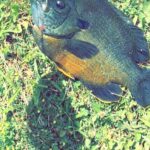
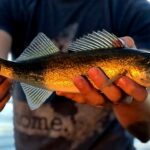
While most anglers are busy skipping docks for largemouth bass or vertically jigging for crappie, the channel catfish bite is absolutely explosive right now. Morse holds a phenomenal population of chunky channel cats that gorge on dying baitfish in the fall. Additionally, do not overlook the yellow bass. Often considered a nuisance by purists, these aggressive little fighters school up tightly and can provide non-stop action on light tackle when the primary bite slows down.
Baitfish Report
Gizzard shad are the primary forage base in Morse Reservoir. Right now, the shad are beginning their annual migration into the backs of the creeks. You will see them flickering on the surface early in the morning. Matching the hatch is critical; your lure profiles should mimic 2-to-3-inch shad. Because Morse is typically stained to muddy, the shad rely heavily on vibration to navigate, meaning your presentations should offer a bit of thump or high-visibility contrast.
TACTICAL STRATEGY
Where to Fish
To find the most active fish, you need to follow the bait into the creek arms. Focus your efforts on the Cicero Creek arm on the north end of the lake, specifically targeting the 7 to 15-foot depth range. The steep drop-offs adjacent to large, shaded boat docks are prime holding zones. Look for isolated submerged wood or brush piles that homeowners have sunk off the ends of their piers. If the northern arms are too muddy from recent runoff, head south toward the main basin near the dam, working the sea walls and rocky points where the water tends to be slightly clearer.
Lure Selection
For crappie, precision is everything. Tie on a 1/16-ounce or 1/30-ounce BrushOff jighead paired with a Bobby Garland Baby Shad Swim'R. If you are targeting largemouth bass around the docks, a wacky-rigged 5-inch Senko is your best friend. For moving baits, a squarebill crankbait in a chartreuse/black back pattern is ideal for deflecting off the sea walls and triggering reaction strikes in the stained water.
Color Patterns
Water clarity dictates everything on Morse. In the murky upper sections, rely on high-contrast colors. MoGlo (glow-in-the-dark), chartreuse, and solid white are mandatory for crappie jigs. For bass plastics, stick to black-and-blue or dark junebug to provide a solid silhouette against the muddy backdrop.
Bait and Rigging
If artificial lures aren't producing, live bait will save your trip. Rig lively crappie minnows on a slip bobber setup, setting the depth exactly 6 to 12 inches above the submerged brush. Crappie feed upwards, so suspending your bait just over their heads is crucial. For the sleeper channel catfish, cut shad or raw shrimp fished on a Carolina rig with a 1-ounce egg sinker near the main channel ledges will yield fast results.
Timing the Bite
The golden hours of dawn and dusk are producing the heaviest stringers. The first two hours of daylight offer a phenomenal topwater and shallow reaction bite for bass, while the crappie bite remains steady through the morning before pushing deeper mid-day. Overcast, breezy days will extend the shallow bite well into the afternoon.
Pro Tip:When skipping docks for bass on Morse, do not just aim for the deepest, darkest corner. Pay close attention to the metal ladders and boat lift posts. The metal absorbs heat from the autumn sun, warming the immediately surrounding water by a degree or two, which acts as a magnet for lethargic fish.
Pro Tip:Because Morse is heavily pressured, downsize your line. Using 4-pound fluorocarbon for your crappie jigs instead of 6 or 8-pound monofilament will drastically increase your sink rate and generate far more bites from wary, heavily-fished slabs.
REGULATIONS SNAPSHOT
Before launching at the Morse Lake Marina or Red Bridge Park, ensure you are compliant with current Indiana Department of Natural Resources (DNR) regulations. Please note that while these are the standard rules, always double-check the local postings at the ramp.
Species
Daily Bag Limit
Size Restrictions
Largemouth Bass
5 (singly or in aggregate)
14-inch minimum length
Crappie (Black & White)
25
No minimum size limit
Channel Catfish
10
No minimum size limit
Yellow Bass
No limit
No minimum size limit
REGIONAL ALTERNATIVE
If a heavy storm system blows through and turns Morse Reservoir into unfishable chocolate milk, do not pack up your gear. Your best backup plan is to head just 15 minutes east to Potter's Bridge Park, which offers excellent access to the White River.
The White River provides incredible wading and bank fishing opportunities for smallmouth bass and rock bass. The flowing water clears up faster than the reservoir, and the fall smallmouth bite is spectacular. Grab a medium-light spinning rod, strap on your waders, and work the current seams and eddies behind large boulders. A 1/8-ounce weedless Ned Rig or a small inline spinner (like a Mepps Aglia size 2) will keep your rod bent all afternoon. Focus on the tail-outs of riffles where the smallmouth ambush disoriented baitfish washing downstream.
Tight lines!
Editor's Choice: Must-Have Gear
FISHINGSIR Next-Gen Waterproof Chest Waders
★★★★★4.4 (7,370+ reviews)
2-Ply Tech: Upgraded nylon with 2.5x higher density than standard fabrics.
100% Waterproof: Lab-approved intrusion resistance with taped visible seams.
Ultra-Lightweight: Designed for all-day comfort while hunting or fishing.
As an Amazon Associate I earn from qualifying purchases. #ad
Loading forecast...
Live Fishing Conditions: Tides, Weather & Waves
Get real‑time tides, marine weather, swell and solunar activity for each spot so you know exactly when conditions line up for your best chance at a bite.
🎣
Morse Lake (Morse Reservoir), Indiana
Loading coordinates...
🌤️
WEATHER CONDITIONS
--°F
--°C
Loading...
🌡️
Feels Like--°F--°C
💧
Humidity--%
💨
Wind-- mph-- km/h
🧭
Direction--
📊
Pressure-- inHg-- hPa
☀️
UV Index--
🌊
MARINE CONDITIONS
🌊Wave Height
-- ft
-- m
Loading...
🧭Wave Direction
--°
Loading...
⏱️Wave Period
-- s
Loading...
📈Tide Status
-- ft
-- m
Loading...
🌙
LUNAR & SOLUNAR
🌕
Loading...
Illumination: --%
Major Period--:-- - --:----:-- - --:--
Minor Period--:-- - --:----:-- - --:--
🌅Sunrise--:--
🌇Sunset--:--
📅
24-HOUR FORECAST
Loading fishing conditions...
Fishing Spots Map
🎣
Book a Fishing Charter near Morse Lake (Morse Reservoir), Indiana Fishing Report Today 🎣
Local guides & charters. Verified captains, instant booking, best price guaranteed.
There was an error loading the map. Please try refreshing the page.
Info
Local Access & Facilities
Tucked into the heart of central Indiana, Morse Lake—also known as Morse Reservoir—offers a highly structured, dynamic fishery that demands precision from serious anglers. Located in Noblesville, this sprawling body of water presents a classic Midwestern reservoir environment. The shoreline is highly developed, meaning the submerged topography is dotted with residential docks, retaining walls, and hidden creek channels that serve as prime ambush points for predatory fish. Seasoned skippers know that navigating these man-made structures is the key to unlocking the lake's true potential.
The atmosphere here shifts dramatically depending on the time of day and the season. During the quiet dawn hours, a glassy surface reflects the surrounding residential enclaves, offering a serene, focused environment for casting jigs under docks or working topwater lures along the retaining walls. However, as the sun rises, the vibe transforms into a bustling recreational hub. Expert anglers understand that fishing this reservoir requires a tactical approach, leveraging the early morning calm before the wakeboard boats and jet skis stir up the main channels.
For the tournament veteran or the seasoned local guide, the primary targets are typically largemouth bass and crappie, which cling to the abundant hard structures and drop-offs. The lake's layout forces anglers to be incredibly accurate with their presentations. Skipping baits deep under pontoon boats and private docks is a required skill here. Success on Morse Reservoir isn't just about having the right gear; it is about mastering the logistical rhythms of a shared-use waterway and knowing exactly when and where to deploy your arsenal.
Access & Getting There
Navigating to Morse Reservoir is generally straightforward via the major state routes feeding into Noblesville, but timing your drive is critical. Traffic flowing north from the Indianapolis metropolitan area can create significant bottlenecks, especially during weekday rush hours or busy summer holiday weekends. Seasoned captains towing heavy fiberglass bass rigs plan their approach long before the sun comes up to avoid the stop-and-go congestion on the two-lane roads leading closer to the water.
The boat launch reality on this lake requires a self-reliant mindset. There are three primary, unnamed access points located roughly 5.8 miles from the central lake coordinates. While these ramps do offer dedicated parking and accommodate standard boat trailers, they are incredibly bare-bones. Crucially, these ramps do not feature overhead lighting. If you are planning a dawn patrol launch—which is highly recommended to beat the recreational traffic—you must arrive fully prepared to back down the ramp in the dark.
💡 Captain's Tip: Dark Water Launches
Because the local boat ramps lack overhead lighting, seasoned skippers know to prep their rigs entirely in the staging area. Have your transom straps removed, drain plug installed, and headlamps equipped before you ever put your tires on the concrete. Speed is essential to keep the ramp clear.
Weather contingencies play a massive role in how you access and fish this reservoir. When the prevailing Midwestern winds pick up, the main basin can become surprisingly choppy. During high wind events, captains should look to launch and stay tucked into the narrower, wind-protected coves and creek arms. The lack of natural windbreaks on the main water means that boat control becomes a full-time job if you venture out of the leeward zones.
Parking your rig requires strategic thinking. While the ramps have trailer parking, spaces fill up rapidly by 5:00 AM during prime fishing seasons. If you are staging a massive tournament rig or meeting clients coming from the city, regional parking lots like the Monon Greenway (10.2 miles away) or the Cycle Gear lot (12.6 miles away) can serve as rendezvous points. Consolidate your gear into one vehicle before heading to the actual ramp to save valuable space.
Morse Lake (Morse Reservoir), Indiana Pre-Trip Checklist
Facilities & Amenities
The infrastructure immediately surrounding Morse Lake is heavily biased toward residential living rather than dedicated angling facilities. This means you must source your bait, tackle, and ice well before you arrive at the water's edge. Relying on finding last-minute gear at the ramp will leave you empty-handed. You must leverage the specialized shops located in the surrounding towns to ensure your livewells and tackle boxes are fully stocked.
For professional guidance and local intel, Two Forks Guide Service is the absolute heavy hitter in the area. Located just 5 miles from the lake in Noblesville, they operate 24 hours a day, making them an invaluable resource for night-fishing logistics or early morning tactical adjustments. If you are pushing further out, Indy Fly Guide Service sits 15.1 miles away in Anderson, offering specialized knowledge for anglers looking to target shallow-water species on the fly.
When it comes to tackle and live bait, you will need to stop on your way in. The Bobber Shop in McCordsville is roughly 15.2 miles away and opens at 8:00 AM, making it a solid stop for afternoon sessions. Red Dirt Bait LLC in Fortville is 15.5 miles out. If you are coming from downtown Indianapolis, the LBS Bait Shop is 24 miles south but stays open late, offering a crucial stop for night-before preparations.
Facility Name
Type
Distance
Specialty / Notes
Two Forks Guide Service
Charter / Guide
5.0 miles
Open 24 hours, elite local knowledge.
The Bobber Shop
Bait & Tackle
15.2 miles
Solid gear selection, opens at 8:00 AM.
Red Dirt Bait LLC
Bait & Tackle
15.5 miles
Specialized local baits, daytime hours.
Indy Fly Guide Service
Charter / Guide
15.1 miles
Fly fishing specialists based in Anderson.
Negative knowledge is critical here: the boat ramps have absolutely zero amenities. There are no fish cleaning stations, no showers, and no running water. Furthermore, the closest public restrooms are located between 1.1 miles and 3.4 miles away from the launch sites. Captains must brief their clients on this reality beforehand. You must bring heavy coolers packed with ice, as you will be transporting your catch whole to process back at home or at your campsite.
💡 Captain's Tip: The Ice Logistics
With zero fish cleaning stations or ice vendors at the lake access points, preparation is mandatory. Bring heavily insulated coolers packed with block ice. Bleed your catch immediately on the boat and bury them in the ice to preserve meat quality until you can process them off-site.
Lodging options cater to two distinct types of anglers: the rugged early riser and the luxury traveler. For the dawn patrol crowd, Deadcreek Camp is just 8 miles away, offering quick access to the ramps. Mud Creek Campgrounds, located 10.7 miles out, is open 24 hours, making it perfect for late-night arrivals. Conversely, if you want high-end comfort after a long day on the water, the historic Omni Severin Hotel in downtown Indianapolis is 23 miles away, offering a swimming pool and upscale dining.
Lodging Name
Style
Distance
Logistical Edge
Deadcreek Camp
Campground
8.0 miles
Closest proximity for early morning launches.
Mud Creek Campgrounds
Campground
10.7 miles
Open 24 hours, ideal for late arrivals.
Mystic Waters Campground
Campground
16.0 miles
Quiet retreat, open until 8:00 PM most days.
Omni Severin Hotel
Luxury Hotel
23.0 miles
Historic downtown comfort, pool, secure parking nearby.
Permits, Regulations & Fees
Fishing on Morse Lake falls under the strict jurisdiction of the State Fishing Agency. The regulations here are designed to maintain the delicate balance of the reservoir's bass and crappie populations amidst heavy recreational pressure. All anglers must possess a valid state fishing license, and captains are responsible for ensuring that every client on board has their paperwork in order before the first line hits the water.
While there are no specific, secondary permits required to launch at the local ramps, enforcement of standard size and bag limits is taken seriously. The lake's proximity to major population centers means it sees significant harvest pressure. Practicing catch-and-release for trophy-sized bass is highly encouraged by the local guiding community to preserve the genetic stock of the fishery. Always check the seasonal closures, as certain coves may be restricted during the spring spawn to protect bedding fish.
Cultural and local respect is paramount on a heavily developed lake like Morse Reservoir. The vast majority of the shoreline is private property. While casting under private docks is a standard and highly effective tactic, anglers must exercise extreme precision. Snagging a boat cover, damaging a retaining wall, or trespassing on a private dock is a quick way to draw the ire of local homeowners and law enforcement. Maintain a respectful distance and keep noise levels down during the early morning hours.
💡 Captain's Tip: Dock Etiquette
When picking apart the residential docks, boat control is everything. Keep your trolling motor on a low, quiet setting. If you snag a lure on a private dock or boat lift, break it off rather than climbing onto the property to retrieve it. Respecting the homeowners ensures continued access for the angling community.
Events & Seasonal Information
The rhythms of Morse Lake are dictated heavily by water temperatures and recreational boat traffic. Spring is arguably the most electric time for serious anglers. As the water warms, bass move out of the deep creek channels and push into the shallow, residential coves to spawn. This pre-spawn and spawn period offers the best opportunity to stick a true trophy fish, but it requires navigating the fluctuating water clarity caused by spring rains.
Summer on the reservoir is a logistical challenge. By 10:00 AM, the main lake becomes a washing machine of wakes from pleasure cruisers, jet skis, and pontoon boats. During these months, the expert angler shifts to a nocturnal schedule or strict dawn patrols. Fishing from 4:00 AM until 9:00 AM allows you to work the topwater bite in peace. Alternatively, night fishing with dark-colored spinnerbaits and jigs around lighted docks can yield massive strikes from heavily pressured fish.
As autumn sets in, the recreational traffic vanishes, and the lake returns to the anglers. The cooling water triggers aggressive feeding frenzies as fish push bait into the backs of the creeks. This is the time when local bass tournament circuits often schedule their final events. The water levels may drop during the late fall and winter, exposing hazards that were safely submerged during the summer, so captains must rely heavily on their electronics and updated charts to navigate safely.
Contact Information & Resources
Because the local access points lack on-site management, self-reliance is your best asset. The State Fishing Agency is the primary contact for any regulatory questions, license renewals, or reporting of violations. It is highly recommended to program the local Noblesville emergency dispatch numbers into your satellite phone or mobile device, as there is no harbor master to hail on the VHF radio if you experience engine failure or a medical emergency.
Always check the local weather and water conditions before hitching up your trailer. High winds can turn the main reservoir into a dangerous environment for smaller vessels, and the lack of shoreline refuges means you must be proactive about incoming storms. Ensure your vessel is equipped with all state-mandated safety gear, proper footwear for slippery ramp conditions, and adequate sun protection for long days on the water.
For precise ramp locations, live weather conditions, and routing to the nearest bait shops and staging areas, consult the interactive live dashboard and maps below.
🎣
Morse Lake (Morse Reservoir), Indiana
Noblesville • Indiana • 40.0880, -86.0592
🅿️
Parking
5
Lot 86
⭐ 5.022.7 mi
📍Blake St & West New York St, Lot 86, Indianapolis, IN 46202, USA
Our spot reports combine data-driven forecasts with curated local information. The forecast is generated by our proprietary Fishing Score algorithm (0–100%), which analyzes real-time data from Open-Meteo API, validated against NOAA CO-OPS tide gauges and USGS water-monitoring stations. The model weights tide dynamics (35%), wave energy (25%), wind patterns (20%) and time of day (20%)—factors shown to influence fish feeding behavior through marine-biology research and decades of charter log data.
Access, facilities and services information for each fishing spot is sourced from official datasets such as Recreation.gov (RIDB), state park & wildlife agencies, and geospatial providers like Google Maps. These sections undergo scheduled re-validation every 3–6 months to ensure that boat ramps, park access, contact details and local services remain accurate.
Narrative sections (catches, seasonal behavior, local tips) are synthesized from these data sources and refined following the Fishing Reports Today editorial guidelines, combining bibliographic research from ichthyology and oceanography with expert angler experience. Our team reviews reports on a regular basis, while the forecast model itself updates every 6 hours for real-time accuracy.
⚠️ Important: Always verify current local regulations, access restrictions and weather conditions before fishing. These reports are intended as a planning aid, not a guarantee of catches or safety. When in doubt, contact local authorities or park managers listed on the page.
To provide the best experiences, we use technologies like cookies to store and/or access device information. Consenting to these technologies will allow us to process data such as browsing behavior or unique IDs on this site. Not consenting or withdrawing consent, may adversely affect certain features and functions.
Functional Always active
The technical storage or access is strictly necessary for the legitimate purpose of enabling the use of a specific service explicitly requested by the subscriber or user, or for the sole purpose of carrying out the transmission of a communication over an electronic communications network.
Preferences
The technical storage or access is necessary for the legitimate purpose of storing preferences that are not requested by the subscriber or user.
Statistics
The technical storage or access that is used exclusively for statistical purposes.The technical storage or access that is used exclusively for anonymous statistical purposes. Without a subpoena, voluntary compliance on the part of your Internet Service Provider, or additional records from a third party, information stored or retrieved for this purpose alone cannot usually be used to identify you.
Marketing & Affiliates
The technical storage or access is required to create user profiles to send advertising, or to track the user on a website or across several websites for similar marketing purposes, including affiliate tracking for products recommended in our reports.




Leave a Reply