Roosevelt Lake Fishing Report Today 🎣
12 months ago · Updated 3 days ago

Roosevelt Lake Fishing Report: Fall Transition Patterns
1. GO/NO-GO STATUS
Verdict: GO
Current seasonal conditions at Roosevelt Lake are highly favorable as we move deep into the fall transition. The intense desert heat is finally breaking, leading to gradually cooling surface temperatures. Anglers should be aware that water levels are currently dropping, which is typical for this time of year, pulling fish out of the shallowest cover and clustering them around deeper structures and creek arms. There are no ice conditions or major weather hazards, but afternoon winds can kick up, so exercise caution when navigating the main lake basin. Overall, the bite is rated as very good, making this an ideal time to hit the water.
2. SPECIES INTEL
Primary Target: Largemouth Bass

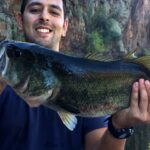
Largemouth bass are the undisputed stars of the fall transition at Roosevelt. As water temperatures cool, bass are aggressively feeding to pack on weight for the winter. You will find them actively pushing baitfish into the backs of creek arms and patrolling secondary points.
Sleeper Pick: Black Crappie
While most boats are chasing bass, the crappie bite is excellent and largely overlooked. Slabs are schooling up tightly near steep drop-offs and deep submerged brush piles. If you locate one on your electronics, you can easily pull a quick limit.
Baitfish Report: Threadfin Shad
Shad are the primary forage right now. Large schools of threadfin shad are migrating toward the backs of coves and creek channels. Matching the hatch with silver, white, or translucent shad-patterned baits is critical for success.
3. TACTICAL STRATEGY
Where to Fish
Focus your efforts on the Tonto Creek arm and the deeper secondary points leading into Rattlesnake Cove. Because of the falling water levels, large offshore schools can be difficult to pin down. Start your mornings working the shallow flats and rocky banks in 2 to 5 feet of water. As the sun gets high, back off to the 12 to 15-foot depth range, targeting submerged brush, ledges, and transition zones where shad schools are tightly grouped.
Lure & Bait Selection
- Topwater & Reaction (Mornings): 3/8oz Buzzbaits (White/Silver) and square-bill crankbaits (Shad patterns). Work these aggressively parallel to rocky shorelines.
- Finesse (Mid-day): Drop-shot rigs using 4.5-inch to 6-inch Roboworms in Green Pumpkin or natural earth tones. Use a 1/4oz tungsten cylinder weight to maintain bottom contact in 12-15 feet of water.
- Crappie Jigs: 1/16oz to 1/8oz marabou jigs or small soft plastic tubes in white/chartreuse fished vertically over deep brush.
Timing
The first two hours of daylight are absolutely crucial right now. The shallow reaction bite is explosive at dawn but shuts off quickly as the sun hits the water. Transition to finesse tactics by mid-morning. If you are targeting flathead or channel catfish, the night bite remains highly productive near the dam using cut bait or chicken liver.
Pro Tip: When throwing a drop-shot for finicky mid-day bass, shorten your leader from the hook to the weight to about 6-8 inches. With falling water levels, bass are holding tighter to the bottom structure rather than suspending.
Pro Tip: Keep a topwater popper tied on and sitting on the deck at all times. Bass are actively pushing shad to the surface in the backs of coves, and you may only have a 10-second window to fire a cast into a boiling school.
4. REGULATIONS SNAPSHOT
Before launching, ensure you are compliant with current Arizona Game and Fish Department (AZGFD) regulations for Roosevelt Lake. A valid Arizona fishing license is required for all anglers 10 years of age or older.
| Species | Daily Bag Limit | Size Restrictions |
|---|---|---|
| Largemouth / Smallmouth Bass | 5 (in any combination) | No minimum size |
| Crappie | 15 | No minimum size |
| Channel / Flathead Catfish | 10 (in any combination) | No minimum size |
5. REGIONAL ALTERNATIVE
Backup Plan: Apache Lake
If Roosevelt Lake is dealing with heavy tournament pressure or high winds making the main basin unfishable, head slightly downstream on the Salt River chain to Apache Lake. Access is available via the Apache Lake Marina or Burnt Corral Recreation Area (keep in mind the dirt road access requires a capable vehicle). Apache offers dramatic canyon walls that provide excellent wind protection.
Target Species: Smallmouth Bass.
Tactical Approach: Apache is renowned for its world-class smallmouth fishery. Downsize your gear and target the steep boulder-strewn shorelines and rocky points. A 3/8oz double-willow spinnerbait in white or a finesse Carolina Rig dragging a green pumpkin crawfish imitation in 20 to 30 feet of water will produce aggressive strikes from hefty bronzebacks.
Tight lines!

FISHINGSIR Next-Gen Waterproof Chest Waders
- 2-Ply Tech: Upgraded nylon with 2.5x higher density than standard fabrics.
- 100% Waterproof: Lab-approved intrusion resistance with taped visible seams.
- Ultra-Lightweight: Designed for all-day comfort while hunting or fishing.
✓ Amazon's Choice | 100+ bought last month
Bandit Walleye Deep
Mandatory for reaching deep schools in 35-50ft mud flats.
Check Price on Amazon #adAs an Amazon Associate I earn from qualifying purchases. #ad
Live Fishing Conditions: Tides, Weather & Waves
Get real‑time tides, marine weather, swell and solunar activity for each spot so you know exactly when conditions line up for your best chance at a bite.
Roosevelt Lake
Loading coordinates...
WEATHER CONDITIONS

Loading...
MARINE CONDITIONS
LUNAR & SOLUNAR
Loading...
Illumination: --%
24-HOUR FORECAST
Fishing Spots Map
Local guides & charters. Verified captains, instant booking, best price guaranteed.
Local Access & Facilities
Roosevelt Lake
Parking
Bait & Tackle
Fishing Charters
Lodging
Boat Ramps
Restrooms
Family Friendly
Accessibility
Wheelchair Access
Not Confirmed
Pets Allowed
Not Confirmed
⚠️ Some accessibility info not officially confirmed. Please verify with location directly.
Local guides & charters. Verified captains, instant booking, best price guaranteed.
Nearby Spots
About Our Fishing Reports & Forecasts
Our spot reports combine data-driven forecasts with curated local information. The forecast is generated by our proprietary Fishing Score algorithm (0–100%), which analyzes real-time data from Open-Meteo API, validated against NOAA CO-OPS tide gauges and USGS water-monitoring stations. The model weights tide dynamics (35%), wave energy (25%), wind patterns (20%) and time of day (20%)—factors shown to influence fish feeding behavior through marine-biology research and decades of charter log data.
Access, facilities and services information for each fishing spot is sourced from official datasets such as Recreation.gov (RIDB), state park & wildlife agencies, and geospatial providers like Google Maps. These sections undergo scheduled re-validation every 3–6 months to ensure that boat ramps, park access, contact details and local services remain accurate.
Narrative sections (catches, seasonal behavior, local tips) are synthesized from these data sources and refined following the Fishing Reports Today editorial guidelines, combining bibliographic research from ichthyology and oceanography with expert angler experience. Our team reviews reports on a regular basis, while the forecast model itself updates every 6 hours for real-time accuracy.
⚠️ Important: Always verify current local regulations, access restrictions and weather conditions before fishing. These reports are intended as a planning aid, not a guarantee of catches or safety. When in doubt, contact local authorities or park managers listed on the page.
Leave a Reply

Great break down and info