Lake Superior North Shore, Minnesota Fishing Report Today 🎣
1 year ago · Updated 4 days ago

Lake Superior North Shore: Fall Transition Fishing Report
As the crisp autumn air settles over the North Shore, the transition period on Lake Superior is officially underway. Cooling surface temperatures are triggering migratory instincts, bringing pelagic predators closer to shore and pushing salmonids toward their natal tributaries. Whether you are trolling the big water or casting from the breakwalls, this is one of the most dynamic windows of the year for anglers on the big lake.
1. GO/NO-GO STATUS
Verdict: CAUTION - WEATHER DEPENDENT GO
While the fishing is heating up, the infamous autumn gales of Lake Superior are a real threat. Currently, offshore water temperatures are hovering in the low-to-mid 40s. Swells can build from a light chop to treacherous three-to-five footers in a matter of hours when the wind shifts out of the Northeast. Small craft operators must keep a constant eye on marine forecasts. If the wind is blowing hard out of the northeast, do not risk the open water; retreat to the protected bays, rivermouths, or inland alternatives.

2. SPECIES INTEL
Primary Target: Coho Salmon and Lake Trout
Lake Trout are beginning their pre-spawn staging, moving from deep summer haunts (150+ feet) up into the 30 to 100-foot ranges, often suspending 20 to 50 feet down. Coho Salmon are also cruising these transitional depth bands, actively feeding to pack on weight before their spawning runs.
Sleeper Pick: Pink Salmon (Humpies)
Often overlooked by anglers obsessed with bigger quarry, Pink Salmon provide spectacular light-tackle action in the lower stretches of North Shore tributaries. These fish push into the rivers following heavy September rains and are incredibly aggressive.
Baitfish Report: Smelt and Cisco
Predators are dialed in on schools of smelt and young-of-the-year cisco (tullibee). Lure profiles should mimic these slender, silvery forage fish.
3. TACTICAL STRATEGY
Trolling the Big Water
For boat anglers, focus on the depth bands between 30 and 90 feet outside of major river mouths like the Lester, French, and Cascade Rivers. Run lead core lines with 10 to 15-foot fluorocarbon leaders (10-12lb test). Jointed shallow-shad crankbaits and Rapala CountDowns (size #5 or #7) in rainbow trout or blue/silver patterns are producing vicious strikes. Keep trolling speeds between 2.0 and 2.5 mph to trigger reaction bites from cruising Coho.
Shore and Breakwall Casting
If you are landlocked, the breakwalls at Two Harbors and Grand Marais are prime real estate. Focus your efforts on the transition zones where the breakwall boulders meet the sandy or gravel bottom. Cast 1/2 to 3/4 ounce spoons like the Krocodile or Little Cleo in orange/gold (for overcast days) or blue/silver (for bright days). Let the spoon flutter down for a three-second count before beginning a varied, erratic retrieve.
Pro Tip: When casting spoons from the breakwalls, replace factory treble hooks with a single Siwash hook. This significantly reduces snags in the rocks and makes releasing non-target or undersized fish much safer.
Tributary Tactics for Pink Salmon
For the river angler, target the slower pools immediately below barrier falls or deep runs behind large submerged timber. A 5-weight fly rod with a sinking tip, or an ultra-light spinning setup, is ideal. Drift small, brightly colored nymphs, or cast 1/8oz marabou jigs in pink and white. The key is keeping your presentation near the bottom without dredging it.
Pro Tip: Pink salmon in the tributaries are highly sensitive to water levels. The best bite almost always occurs in the 24 to 48-hour window immediately following a heavy rainstorm that raises the river flow.
4. REGULATIONS SNAPSHOT
The Minnesota DNR has implemented updated regulations for the 2026 season. Please verify boundary postings at all river mouths, as regulations shift dramatically above and below these markers.
| Species | Limit | Key Regulation Notes |
|---|---|---|
| Salmon (Coho, Chinook, Pink, Atlantic) | 5 combined total | Minimum size 10 inches. The previous restriction limiting anglers to only one Atlantic Salmon has been removed. |
| Lake Trout | 3 | Season closes in early October. Check exact dates based on your management zone. |
| Brook Trout & Splake | 5 combined (with other trout) | Below posted boundaries, the season now strictly closes on September 30. |
5. REGIONAL ALTERNATIVE
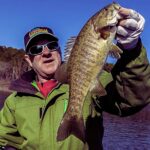
If a massive low-pressure system blows in and Lake Superior becomes unfishable, do not pack up and head home. Retreat to the St. Louis River Estuary in Duluth. The sheltered bays and islands offer protection from heavy seas. Target the channel edges in 8 to 14 feet of water for aggressive Fall Walleye and Smallmouth Bass. A 1/4oz chartreuse jig tipped with a lively fathead minnow, or casting medium-diving crankbaits along the remaining weed edges, will salvage a blown-out day on the big lake.
Tight lines!

FISHINGSIR Next-Gen Waterproof Chest Waders
- 2-Ply Tech: Upgraded nylon with 2.5x higher density than standard fabrics.
- 100% Waterproof: Lab-approved intrusion resistance with taped visible seams.
- Ultra-Lightweight: Designed for all-day comfort while hunting or fishing.
✓ Amazon's Choice | 100+ bought last month
Bandit Walleye Deep
Mandatory for reaching deep schools in 35-50ft mud flats.
Check Price on Amazon #adAs an Amazon Associate I earn from qualifying purchases. #ad
Live Fishing Conditions: Tides, Weather & Waves
Get real‑time tides, marine weather, swell and solunar activity for each spot so you know exactly when conditions line up for your best chance at a bite.
Lake Superior North Shore, Minnesota
Loading coordinates...
WEATHER CONDITIONS

Loading...
MARINE CONDITIONS
LUNAR & SOLUNAR
Loading...
Illumination: --%
24-HOUR FORECAST
Fishing Spots Map
Local guides & charters. Verified captains, instant booking, best price guaranteed.
Local Access & Facilities
Lake Superior North Shore, Minnesota
Parking
Bait & Tackle
Fishing Charters
Lodging
Boat Ramps
Restrooms
Family Friendly
Accessibility
Wheelchair Access
Available
Pets Allowed
Not Confirmed
⚠️ Some accessibility info not officially confirmed. Please verify with location directly.
Local guides & charters. Verified captains, instant booking, best price guaranteed.
Nearby Spots




About Our Fishing Reports & Forecasts
Our spot reports combine data-driven forecasts with curated local information. The forecast is generated by our proprietary Fishing Score algorithm (0–100%), which analyzes real-time data from Open-Meteo API, validated against NOAA CO-OPS tide gauges and USGS water-monitoring stations. The model weights tide dynamics (35%), wave energy (25%), wind patterns (20%) and time of day (20%)—factors shown to influence fish feeding behavior through marine-biology research and decades of charter log data.
Access, facilities and services information for each fishing spot is sourced from official datasets such as Recreation.gov (RIDB), state park & wildlife agencies, and geospatial providers like Google Maps. These sections undergo scheduled re-validation every 3–6 months to ensure that boat ramps, park access, contact details and local services remain accurate.
Narrative sections (catches, seasonal behavior, local tips) are synthesized from these data sources and refined following the Fishing Reports Today editorial guidelines, combining bibliographic research from ichthyology and oceanography with expert angler experience. Our team reviews reports on a regular basis, while the forecast model itself updates every 6 hours for real-time accuracy.
⚠️ Important: Always verify current local regulations, access restrictions and weather conditions before fishing. These reports are intended as a planning aid, not a guarantee of catches or safety. When in doubt, contact local authorities or park managers listed on the page.

Leave a Reply