As we transition into the heart of the fall season, the conditions at Chatfield Reservoir are prime for anglers looking to capitalize on aggressive feeding behavior. The verdict is a resounding GO, but with a few navigational caveats. Water temperatures are steadily dropping, pushing fish out of their summer lethargy and triggering the autumn feed. However, the water level has dropped several vertical feet, which means boaters need to exercise extreme caution.
If you are navigating the southern no-wake zones, be acutely aware of unmarked hazards and shallow shoals that are now dangerously close to the surface. Areas that previously held four feet of water might now only hold one or two, making it easy to ground your vessel if you aren't paying attention. Weather fronts are moving through rapidly this time of year, bringing sudden temperature plummets and gusty winds. Keep an eye on the horizon and ensure your safety gear is easily accessible. Despite the navigational hazards, the cooling water has the fish active, making this one of the most productive windows of the year.
SPECIES INTEL
Primary Target
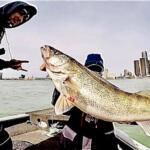
Walleye and Smallmouth Bass are currently dominating the bite. The dropping water temperatures have these predators strapping on the feedbag to pack on weight before winter. The smallmouth are staging shallow on rocky transitions, while the walleye are schooling up tightly around deep structure and bait balls.
🎣Nautrek
Private Beta
J
M
R
100+ anglers on the waitlist
The fishing network where your reputation matters.
Find trusted captains, join real trips with cost splitting, and build your Angler Rank. Your spots stay private — you decide who sees your intel.
Yellow Perch are often overlooked by anglers strictly targeting the walleye and bass, but the perch bite is exceptionally strong right now. They are schooling in the same deep-water zones as the walleye, and dropping a smaller presentation into these schools can yield a fantastic panfish harvest.
Baitfish Report
While gizzard shad are a staple in Chatfield, current stomach samples and field observations indicate that the fish are absolutely gorging on crawfish. Crawfish are highly active along the rocky shorelines right now, and both bass and walleye are keying in on them heavily. If you locate diving birds, you will also find the congregating shad schools, which is a surefire way to locate suspended predators.
Pro Tip: When the shad are scattered, rely entirely on crawfish profiles. If you see birds working the surface, switch immediately to a shad-imitating swimbait or spoon to match the hatch.
TACTICAL STRATEGY
Where to Target
For the smallmouth bass, concentrate your efforts squarely on the main dam face and the rocky outcroppings near Massey Draw, working your way toward the North Ramp. The fish are holding surprisingly shallow, typically in the 3 to 7-foot range, hunting crawfish in the rocks. For walleye and yellow perch, you need to slide out deeper. Look for the 19 to 23-foot depth contours on the edges of deep structure and drop-offs. Use your electronics to scan for bait balls; where you find the shad, the walleye will be stacked just below them.
Lure Selection
To capitalize on the shallow smallmouth bite, throw small, craw-patterned squarebill crankbaits. If the reaction bite slows, slow down with a 1/4oz Ned rig, a Texas-rigged craw, or a 3.5-inch tube bait dragged directly in the rocks. For the deeper walleye, a Rapala Jigging Rap (#5 or #7) vertically jigged over the schools is deadly. Alternatively, cast a 1/4oz jig head paired with a 3-inch curly tail grub or a soft plastic swimbait along the deep edges.
Color Patterns
Water clarity is currently a bit stained due to the changing levels and turnover effects. For your crawfish imitations, stick to Green Pumpkin, Dark Brown, and Orange-belly patterns. For your reaction baits and swimbaits targeting the deeper walleye, natural shad colors, pearl white, and chartreuse are outperforming everything else.
Bait and Rigging
If artificials aren't producing, slow-trolling bottom bouncers paired with a crawler harness is a reliable fallback for Chatfield walleye. Keep the blades small (Colorado blades in hammered silver or chartreuse) and tip them with half a lively nightcrawler. Keep your speeds around 1.0 to 1.2 mph and maintain constant bottom contact.
Timing the Bite
The late afternoon window has been significantly outproducing the early morning bite. The rocks along the dam absorb the afternoon sun, slightly warming the adjacent shallow water and increasing crawfish activity. Fish the hours leading up to dusk, and pay special attention to the barometric pressure; the bite turns absolutely electric in the two hours preceding an approaching fall storm front.
Pro Tip: Don't be afraid to cast into a foot of water along the dam, then turn around and cast into 10 feet. The bigger fish are cruising up and down the water column hunting. If you catch a quality fish at a specific depth, pound that exact depth contour, as these fish are hunting in wolf packs.
REGULATIONS SNAPSHOT
Chatfield Reservoir carries specific regulations that differ from general statewide rules. It is crucial to adhere to these to protect the fishery:
Largemouth and Smallmouth Bass: Minimum size limit is 15 inches long. Any bass under this length must be immediately released.
Walleye: The daily bag limit is 3 fish, with a minimum size of 18 inches long. Furthermore, only 1 walleye longer than 21 inches may be harvested per day.
General Park Rules: Fishing is strictly prohibited from the dam structure itself and within 100 feet of any marina, boat ramp, or designated swim beach.
REGIONAL ALTERNATIVE
If the wind is howling and making the main reservoir unfishable, or if you simply want to switch up your tactics, head directly below the reservoir to the South Platte River (Below Chatfield). This tailwater section offers a fantastic urban fly fishing experience that is shielded from the worst of the reservoir's winds.
Target Species: Rainbow Trout, Brown Trout, and the occasional Smallmouth Bass. Access: Park at the designated lots just below the dam structure and walk the well-maintained trails along the river. Tactics: The water here is cool, clear, and the flows are consistent. Stealth is required. Downsize your tippet to 5x or 6x and utilize a tandem nymph rig under a small indicator. Size 18-22 Pheasant Tails, Copper Johns, and RS2s are highly effective. If you spot rising fish during the warmer parts of the day, be prepared with a handful of Blue-Winged Olive (BWO) dry flies.
Tight lines!
Editor's Choice: Must-Have Gear
FISHINGSIR Next-Gen Waterproof Chest Waders
★★★★★4.4 (7,370+ reviews)
2-Ply Tech: Upgraded nylon with 2.5x higher density than standard fabrics.
100% Waterproof: Lab-approved intrusion resistance with taped visible seams.
Ultra-Lightweight: Designed for all-day comfort while hunting or fishing.
As an Amazon Associate I earn from qualifying purchases. #ad
Loading forecast...
Live Fishing Conditions: Tides, Weather & Waves
Get real‑time tides, marine weather, swell and solunar activity for each spot so you know exactly when conditions line up for your best chance at a bite.
🎣
Chatfield Reservoir
Loading coordinates...
🌤️
WEATHER CONDITIONS
--°F
--°C
Loading...
🌡️
Feels Like--°F--°C
💧
Humidity--%
💨
Wind-- mph-- km/h
🧭
Direction--
📊
Pressure-- inHg-- hPa
☀️
UV Index--
🌊
MARINE CONDITIONS
🌊Wave Height
-- ft
-- m
Loading...
🧭Wave Direction
--°
Loading...
⏱️Wave Period
-- s
Loading...
📈Tide Status
-- ft
-- m
Loading...
🌙
LUNAR & SOLUNAR
🌕
Loading...
Illumination: --%
Major Period--:-- - --:----:-- - --:--
Minor Period--:-- - --:----:-- - --:--
🌅Sunrise--:--
🌇Sunset--:--
📅
24-HOUR FORECAST
Loading fishing conditions...
Fishing Spots Map
🎣
Book a Fishing Charter near Chatfield Reservoir Fishing Report Today 🎣
Local guides & charters. Verified captains, instant booking, best price guaranteed.
There was an error loading the map. Please try refreshing the page.
Info
Local Access & Facilities
The South Platte Impoundment: A Strategic Overview
Situated on the South Platte River just southwest of Littleton, Chatfield Reservoir serves as a critical flood control structure that has evolved into a premier recreational fishery. Spanning 1,479 acres of surface water surrounded by over 5,000 acres of parkland, this body of water offers a diverse aquatic environment ranging from deep channels near the dam to expansive flats. The reservoir acts as the second line of defense against regional floods, creating a dynamic ecosystem where water levels can fluctuate, constantly reshaping the littoral zones that experienced anglers target.
The atmosphere here is a unique blend of suburban accessibility and rugged Front Range beauty. While the hum of the nearby highway is audible, the backdrop features the dramatic red-rock formations of the foothills and stands of Ponderosa pine and Gamble oak. It is a fishery that demands versatility, where captains must be prepared to switch from open-water trolling to working structure along the riparian edges.
For the serious angler, the draw here is the volume of water and the variety of structure. Unlike smaller municipal ponds, Chatfield provides enough acreage to run a proper center console or bass boat, allowing for the use of advanced electronics to locate schools in the main basin. The presence of the Chatfield Nature Preserve nearby ensures that water quality and environmental integrity remain high priorities for the management agencies.
Access & Getting There
Accessing the reservoir is straightforward for those familiar with the Denver Metro area, but timing is critical. The primary route involves taking C-470 to the Wadsworth Boulevard interchange. Because this is a major commuter artery, traffic can be heavy during weekday rush hours. Seasoned skippers know that towing a wide-beam boat through this corridor requires patience between 4:00 PM and 6:00 PM; a pre-dawn departure is always the superior strategy to beat the congestion.
Once inside the State Park, the launch infrastructure is robust but can get crowded. The facility features multiple launch points, with the South Boat Launch being a primary target for those looking to access the upper reaches of the reservoir quickly. The ramps are generally well-maintained concrete, suitable for larger fiberglass hulls. However, water level fluctuations managed by the Army Corps of Engineers can alter the ramp angle and traction, so inspecting the waterline before backing down is standard procedure.
💡 Captain's Tip: Trailer Management
While the South Boat Launch offers dedicated trailer parking, these spots fill rapidly on summer weekends. Plan to be at the gate when it opens, or consider a mid-week assault to ensure you have ample room to maneuver your rig without the pressure of a waiting line.
Weather on the Front Range is notoriously volatile. The reservoir is exposed to winds coming off the foothills, and conditions can shift from glass-calm to whitecaps in under 30 minutes. When the forecast calls for gusts over 15 mph, the open center of the lake becomes challenging for smaller craft. In these conditions, sticking to the leeward coves or the protected waters near the Jamison Picnic Area or Deer Creek Day Use areas is a prudent move.
Chatfield Reservoir Pre-Trip Checklist
Facilities & Amenities
While the park itself is well-equipped for recreation, anglers often need to look just outside the boundaries for specialized support. For bait and immediate tackle needs, Ken's Anglers is the closest reliable outpost, located just 3.4 miles from the water. Opening at 7:00 AM daily, it is the logical pitstop for live bait and local intelligence before hitting the ramp. For more extensive gear requirements, Discount Fishing Tackle on South Santa Fe Drive (approx. 9.9 miles away) offers a broader selection of hard goods.
Fly fishermen targeting the river inlets or shallows should note the presence of The Confluence Rod Company and Fly Fish Colorado in the wider region. These resources indicate a healthy local culture of fly angling, suggesting that the reservoir's tributaries and flats hold potential for those willing to wield a long rod. If you are looking to hire local knowledge, River Trekker Outfitters operates in the area, providing guided expertise that can cut the learning curve significantly.
💡 Captain's Tip: Fuel Logistics
There is no dedicated fuel dock listed explicitly for the launch areas in the immediate facility data. Captains should operate under the assumption that they need to fuel up on the highway before entering the park. Running dry on 1,400 acres of water is a mistake you only make once.
For multi-day excursions, on-site options are available but geared towards camping. The Indian Creek Equestrian Campground, located about 10.4 miles away, offers a rustic base camp, particularly for those who might be combining angling with packing in on horseback. This facility provides gravel driveways and is strictly for those in possession of a horse, so standard boat-camping anglers should look to the main park campgrounds or nearby accommodation like the NYR-Nationwide Youth Roundup facility for lodging.
Permits, Regulations & Fees
Navigating the regulatory environment at Chatfield requires attention to both state and federal rules. As a State Park leasing land from the Army Corps of Engineers, the area is managed strictly to balance recreation with flood control and conservation. A valid State Parks pass is typically required for vehicle entry, in addition to any vessel registration fees. Fishing activities fall under the jurisdiction of the state fishing agency, and officers patrol both the gates and the water frequently.
Conservation zones are a critical aspect of this fishery. The Chatfield Nature Preserve is a sensitive area dedicated to environmental study. Anglers must respect all buoy lines and signage demarcating restricted zones. These areas act as nurseries and sanctuaries for the bird populations and aquatic life that sustain the fishery. Ignorance of a "No Wake" or "Exclusion Zone" marker is not a valid defense here.
Cultural respect is also paramount. The Hildebrand Homestead, listed on the National Register of Historic Places, is located within the vicinity. While primarily a land-based attraction, its presence serves as a reminder of the historical significance of the South Platte valley. Anglers utilizing the shoreline access points near Deer Creek should be mindful of leaving no trace to preserve the integrity of these public lands.
Events & Seasonal Information
The reservoir operates as a year-round fishery, though the tactics change drastically with the seasons. Summer brings heavy recreational boat traffic—wakeboarders and jet skis—which forces serious anglers to adjust their clocks. The "Dawn Patrol" is essential from June through August; the best fishing window is often closing just as the recreational fleet is launching at 10:00 AM. Conversely, the shoulder seasons of late fall and early spring offer solitude and often the most aggressive feeding windows as fish prepare for or recover from winter.
💡 Captain's Tip: Wind Patterns
Local skippers watch the flags. The typical weather pattern involves calm mornings followed by afternoon thunderstorms rolling off the mountains. If you see towering cumulus clouds building over the foothills to the west, it is time to pull the trolling motor and head for the ramp immediately.
While specific tournament schedules vary annually, the size and accessibility of Chatfield make it a frequent host for local club derbies and regional competitive circuits. These events usually launch from the main ramps at first light. If you are not competing, check the local boards or ask at Ken's Anglers about scheduled events to avoid the congestion of a 50-boat blast-off.
Contact Information & Resources
For the most current information regarding water levels, ramp closures, or emergency alerts, direct contact with the managing agencies is recommended. The regional ranger district can be reached at 303-275-5610. This line is particularly useful for checking on conditions at the Indian Creek area or general forest service notices that might impact the watershed.
Safety on the water is the responsibility of the captain. Cell reception is generally good across the reservoir due to its suburban proximity, but dead zones can exist in the deep channels near the dam. Always file a float plan and ensure your safety gear exceeds the minimum Coast Guard requirements.
For precise locations of the boat ramps, real-time weather data, and detailed locations of the tackle shops mentioned above, consult the live dashboard and interactive maps below.
🎣
Chatfield Reservoir
Littleton • Colorado • 39.5396, -105.0782
🅿️
Parking
5
Paradise Parking Lot
⭐ 5.013.8 mi
📍Parking lot, 1420 Garrison St #2, Lakewood, CO 80215, USA
Our spot reports combine data-driven forecasts with curated local information. The forecast is generated by our proprietary Fishing Score algorithm (0–100%), which analyzes real-time data from Open-Meteo API, validated against NOAA CO-OPS tide gauges and USGS water-monitoring stations. The model weights tide dynamics (35%), wave energy (25%), wind patterns (20%) and time of day (20%)—factors shown to influence fish feeding behavior through marine-biology research and decades of charter log data.
Access, facilities and services information for each fishing spot is sourced from official datasets such as Recreation.gov (RIDB), state park & wildlife agencies, and geospatial providers like Google Maps. These sections undergo scheduled re-validation every 3–6 months to ensure that boat ramps, park access, contact details and local services remain accurate.
Narrative sections (catches, seasonal behavior, local tips) are synthesized from these data sources and refined following the Fishing Reports Today editorial guidelines, combining bibliographic research from ichthyology and oceanography with expert angler experience. Our team reviews reports on a regular basis, while the forecast model itself updates every 6 hours for real-time accuracy.
⚠️ Important: Always verify current local regulations, access restrictions and weather conditions before fishing. These reports are intended as a planning aid, not a guarantee of catches or safety. When in doubt, contact local authorities or park managers listed on the page.
To provide the best experiences, we use technologies like cookies to store and/or access device information. Consenting to these technologies will allow us to process data such as browsing behavior or unique IDs on this site. Not consenting or withdrawing consent, may adversely affect certain features and functions.
Functional Always active
The technical storage or access is strictly necessary for the legitimate purpose of enabling the use of a specific service explicitly requested by the subscriber or user, or for the sole purpose of carrying out the transmission of a communication over an electronic communications network.
Preferences
The technical storage or access is necessary for the legitimate purpose of storing preferences that are not requested by the subscriber or user.
Statistics
The technical storage or access that is used exclusively for statistical purposes.The technical storage or access that is used exclusively for anonymous statistical purposes. Without a subpoena, voluntary compliance on the part of your Internet Service Provider, or additional records from a third party, information stored or retrieved for this purpose alone cannot usually be used to identify you.
Marketing & Affiliates
The technical storage or access is required to create user profiles to send advertising, or to track the user on a website or across several websites for similar marketing purposes, including affiliate tracking for products recommended in our reports.



Leave a Reply