Current seasonal conditions in the Prescott high country are absolutely prime for angling. As the autumn air cools the surface temperatures of Goldwater Lake, we are seeing a massive uptick in fish activity. The summer doldrums have officially broken, and the thermocline is shifting, bringing fish out of the deep basins and into accessible striking distances along the shorelines and weed edges.
Weather impacts are highly favorable right now. The mild, crisp fall days with low wind speeds make for excellent casting conditions, particularly for fly anglers and those throwing finesse presentations. There are no ice conditions to worry about at this stage of the season, but early morning anglers should dress in layers as the mountain air can be quite brisk before the sun clears the pines. If you have been waiting for the perfect window to hit this 15-acre gem, this is it.
🎣Nautrek
Private Beta
J
M
R
100+ anglers on the waitlist
The fishing network where your reputation matters.
Find trusted captains, join real trips with cost splitting, and build your Angler Rank. Your spots stay private — you decide who sees your intel.
Rainbow trout are the undisputed main attraction at Goldwater Lake right now. With the water temperatures dropping into their preferred metabolic zone, these fish are cruising the shallows and feeding aggressively. The Arizona Game and Fish Department (AZGFD) heavily manages the upper lake with regular plantings, meaning there is a high density of pan-sized fish ready to strike, alongside some larger holdovers from previous seasons that have grown wary and thick.
Sleeper Pick: Trophy Largemouth Bass
While the crowds are shoulder-to-shoulder soaking bait for stocker trout, the savvy angler should be looking at the largemouth bass. Goldwater Lake is a sleeper for quality bucketmouths. Recent electrofishing surveys by state biologists have pulled up bass pushing the 7-pound mark and measuring over 21 inches. As the water cools, these big bass are moving up from the depths to ambush prey before the winter chill sets in. They are highly pressured but absolutely worth targeting if you know how to finesse them.
Honorable Mention: Do not ignore the channel catfish. Late summer and early fall stockings put a lot of whiskerfish in the upper lake, with some specimens exceeding six pounds.
Baitfish & Forage Report
The primary forage base here consists of juvenile bluegill, abundant crayfish in the rocky crevices, and a variety of aquatic insects. To trigger the larger, predatory holdover trout and the resident bass, your presentations need to mimic this natural forage. Moving baits should profile as small bluegill or fleeing craws, while fly anglers should be matching the local midge and mayfly hatches that occur during the low-light hours.
TACTICAL STRATEGY
Goldwater Lake is divided into two distinct bodies of water—Upper and Lower—each requiring a completely different tactical approach. Here is exactly how to break them down like a professional guide.
Upper Goldwater Lake (The Action Fishery)
Where: Skip the heavily trafficked shallow flats and head straight for the rocky shoreline near the dam, or position yourself near the main fishing pier. You are looking for the 8-to-12-foot drop-offs where cruising trout can easily push baitfish against the structure.
Lure: For hardware anglers, a 1/8oz Panther Martin or a Mepps Aglia inline spinner is deadly. Cast parallel to the shoreline drop-offs and use a slow, steady retrieve to keep the blade barely thumping.
Color: In the slightly pine-stained water of the upper lake, gold blades paired with black bodies provide the best flash and silhouette. If the sun is high and bright, switch to a silver blade.
Bait: If you prefer soaking bait, rig garlic-scented PowerBait or PowerEggs on a size 16 treble hook. Use a sliding egg sinker rig (Carolina rig) with a 14-inch fluorocarbon leader. The fluorocarbon is critical here, as these trout can become line-shy after a few days in the lake.
Catfish Tactic: If you want to target those big channel cats, fish the muddy transition zones in the evening using cut-up hotdogs or chicken livers on a size 2 circle hook.
Timing: The golden hours are non-negotiable. Be on the water 30 minutes before sunrise or fish the last two hours of light before dusk.
Pro Tip:When using floating dough baits, always test your rig in the shallow water at your feet before casting out. Ensure the bait has enough buoyancy to float the hook completely off the bottom and above the low-lying weed beds.
Lower Goldwater Lake (The Purist's Playground)
Where: Lower Goldwater is a pristine environment for float tubers. Work the steep contour lines and the submerged timber on the northern edge. The fish here are less concentrated but generally of higher quality, including beautiful Gila and Brown trout.
Lure: For bass, this is finesse country. A 4-inch soft plastic worm on a drop-shot rig is your best bet. Cast into the submerged structure and shake the worm in place without moving the weight.
Color: Green pumpkin or watermelon red flake perfectly mimics the local bluegill and crayfish populations.
Fly Fishing: Strip olive or black Woolly Buggers (size 8) along the weed lines, or suspend a small bead-head nymph under a strike indicator if the fish are rising to emerging insects.
Pro Tip:Lower Goldwater experiences very little surface chop due to the surrounding trees. Because the water is often glass-calm, stealth is your biggest advantage. Make long casts, use light fluorocarbon tippet (4x or 5x), and keep your profile low to avoid spooking the fish.
REGULATIONS SNAPSHOT
Because Goldwater Lake is split into two distinct fisheries, the regulations vary drastically depending on where you cast your line. Always verify with the current AZGFD rulebook, but here is the essential snapshot for the current season:
Regulation Type
Upper Goldwater Lake
Lower Goldwater Lake
Watercraft
Single electric motor only (no gas motors). Canoes/kayaks permitted.
Float tube only.
Tackle Rules
Bait, artificial lures, and flies permitted.
Artificial flies and lures ONLY. No bait allowed.
Trout Limits
4 trout per day.
Catch and Release ONLY.
Bass Limits
1 bass per day (Minimum size 13 inches).
Catch and Release ONLY.
Other Species
4 catfish, 10 sunfish per day.
Catch and Release ONLY.
REGIONAL ALTERNATIVE
If you arrive at Goldwater Lake and find the parking lot overflowing, or if high winds funneling through the pines make casting impossible, you have an excellent backup option just a short drive away.
Fain Lake (Prescott Valley)
Located roughly 30 minutes away in Prescott Valley, Fain Lake is another fantastic high-country community water that receives generous stockings of both rainbow trout and channel catfish during the fall months. It is slightly more sheltered from certain wind directions and offers highly accessible bank fishing.
Target Species: Rainbow Trout and Channel Catfish.
Access: Excellent paved access, easy shoreline walking paths, and plenty of room to spread out.
Tactical Approach: The water here can sometimes be slightly more turbid than Goldwater. Upsize your spinner blades for more vibration, or rely on heavily scented baits like garlic nightcrawlers or liver for the catfish. Focus your efforts near the inflow creek where oxygenated water draws active fish.
Pro Tip:When transitioning to an alternative lake like Fain, take five minutes to observe the water before rigging up. Look for surface dimples from feeding trout or baitfish scattering near the shore—let the lake tell you where to start.
Tight lines!
Editor's Choice: Must-Have Gear
FISHINGSIR Next-Gen Waterproof Chest Waders
★★★★★4.4 (7,370+ reviews)
2-Ply Tech: Upgraded nylon with 2.5x higher density than standard fabrics.
100% Waterproof: Lab-approved intrusion resistance with taped visible seams.
Ultra-Lightweight: Designed for all-day comfort while hunting or fishing.
As an Amazon Associate I earn from qualifying purchases. #ad
Loading forecast...
Live Fishing Conditions: Tides, Weather & Waves
Get real‑time tides, marine weather, swell and solunar activity for each spot so you know exactly when conditions line up for your best chance at a bite.
🎣
Goldwater Lake
Loading coordinates...
🌤️
WEATHER CONDITIONS
--°F
--°C
Loading...
🌡️
Feels Like--°F--°C
💧
Humidity--%
💨
Wind-- mph-- km/h
🧭
Direction--
📊
Pressure-- inHg-- hPa
☀️
UV Index--
🌊
MARINE CONDITIONS
🌊Wave Height
-- ft
-- m
Loading...
🧭Wave Direction
--°
Loading...
⏱️Wave Period
-- s
Loading...
📈Tide Status
-- ft
-- m
Loading...
🌙
LUNAR & SOLUNAR
🌕
Loading...
Illumination: --%
Major Period--:-- - --:----:-- - --:--
Minor Period--:-- - --:----:-- - --:--
🌅Sunrise--:--
🌇Sunset--:--
📅
24-HOUR FORECAST
Loading fishing conditions...
Fishing Spots Map
🎣
Book a Fishing Charter near Goldwater Lake Fishing Report Today 🎣
Local guides & charters. Verified captains, instant booking, best price guaranteed.
There was an error loading the map. Please try refreshing the page.
Info
Local Access & Facilities
Overview & Vibe
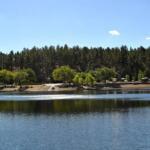
Hidden amidst the cool, towering Ponderosa pines of the Prescott National Forest, Goldwater Lake offers a distinct high-altitude angling experience that contrasts sharply with Arizona's low desert reservoirs. Sitting at an elevation of approximately 6,000 feet, this 15-acre jewel provides a serene, almost alpine atmosphere just minutes from downtown Prescott. The vibe here is decidedly quiet and intimate; the water is calm, protected by the surrounding timber, making it an ideal location for technical presentations and stealthy approaches.
For the seasoned angler, this is not a fishery for high-speed runs or heavy offshore gear. Instead, it is a haven for precision casting and light tackle work. The lake holds a respectable population of Largemouth Bass and Crappie that patrol the structure, while Rainbow Trout are regularly stocked, providing consistent action. Channel Catfish and Sunfish round out the catch, making it a versatile spot for both fly anglers and spin fishermen looking to escape the heat.
The geography is defined by the granite ruggedness typical of the Bradshaw Mountains. While the lake itself is small, the surrounding terrain is robust, offering a true backcountry feel without the need for a multi-day expedition. The air is thinner and cooler here, and the scent of pine needles dominates the experience. It serves as a perfect "dawn patrol" location where you can launch early, work the shorelines, and be back in town before the midday sun peaks.
Access & Getting There
Reaching Goldwater Lake requires navigating through the historic streets of Prescott before ascending into the forest. The primary route involves taking South Mt. Vernon Avenue, which transitions into the Senator Highway. This road winds south for approximately four miles to the lake entrance. While the main access is paved, drivers should be aware that conditions can change rapidly during winter months or heavy storms. Traffic is generally light in the early mornings, but the route is popular with local commuters and recreational drivers later in the day.
💡 Captain's Tip: Monsoon Awareness
During the summer season (late June through mid-September), afternoon thunderstorms are a daily reality in the Bradshaw Mountains. These storms bring lightning and heavy downpours. Plan your fishing window for the early morning and aim to be off the water by 11:00 AM to avoid getting caught in dangerous electrical activity.
For those towing small vessels, the launch facilities are functional but scaled to the size of the lake. There is a designated boat ramp and dock available for boaters, canoers, and kayakers. The ramp is suitable for smaller aluminum fishing boats and skiffs, but maneuvering large trailers can be tight during peak weekends. Parking at the lake is generally available, but spaces near the ramp fill quickly. Overflow parking is often required for late arrivals.
If you are heading to the Upper Wolf Creek Group Campground, be advised that the pavement ends near the community of Groom Creek. You will need to turn onto Forest Road 97, which is unpaved. While generally suitable for all vehicles during dry conditions, this road can become treacherous for trailers during the monsoon season or after snowmelt. Always assess the road surface before committing a heavy rig to the unpaved sections.
Goldwater Lake Pre-Trip Checklist
Facilities & Amenities
Infrastructure in this area is designed to support outdoor recreation while maintaining the rustic integrity of the forest. You won't find a sprawling marina complex here; instead, the facilities are modest and functional. For bait and tackle needs, options are specific. Dunn's Tire & Automotive is listed locally as a resource for bait, which is a classic small-town quirk worth noting. For more comprehensive gear needs, anglers often stop at the store near Lynx Lake, located about four miles away, which typically stocks items tailored to the local trout and bass fisheries.
The camping options nearby are excellent for multi-day trips. White Spar Campground is the primary base of operations for many anglers. Located just 2.7 miles south of town on Highway 89, it offers paved driveways and is open year-round, though amenities are reduced in winter. It is crucial to note that White Spar does not have RV hookups or a dump station. You must be self-contained. Water hydrants are available during the peak season but are shut off in winter, so fill your tanks before leaving Prescott.
💡 Captain's Tip: Fuel & Ice Logistics
There is no fuel dock or ice vendor directly on the water at Goldwater Lake. The nearest reliable fuel and heavy provisioning is back in Prescott. Ensure your cooler is packed tight and your tank is full before leaving the pavement of Gurley Street.
For larger parties, the Upper Wolf Creek Group Campground offers a secluded setting with capacity for up to 100 people, though it lacks hookups and drinking water. If you are hauling stock, the Groom Creek Horse Camp provides specialized facilities including steel corrals and tether lines, located roughly 2.4 miles from the fishing grounds. Below is a breakdown of the key facility specs for planning your stay.
Facility Name
Type
Distance from Lake
Key Features
White Spar Campground
Public Campground
~1.6 miles
Paved driveways, year-round access (limited winter), no hookups, vault toilets.
Capacity for 100, volleyball court, secluded, unpaved access.
Turley Trail Parking
Trailhead Parking
~3.1 miles
5-star rating, open 24 hours, good for overflow or hiking access.
Permits, Regulations & Fees
Fishing at Goldwater Lake falls under the jurisdiction of the state fishing agency. A valid Arizona state fishing license is required for all anglers. The lake is managed as a quiet recreation area, and while boating is permitted, it is essential to respect the low-wake and quiet nature of the fishery. This is not a place for high-speed boating; the culture here revolves around paddling and trolling motors.
In addition to state fishing regulations, visitors must adhere to Prescott National Forest rules. Day-use fees may apply at specific recreation sites. Conservation is a major priority in this high-desert forest. Fire restrictions are frequently in effect, especially during the dry months leading up to the monsoons. Strict adherence to "Kapu" (restrictions) regarding campfires is mandatory to protect the Ponderosa pine ecosystem. Always check the current fire danger level at the ranger district office before sparking a grill or campfire.
Events & Seasonal Information
The rhythm of fishing here is dictated by the seasons. Spring and early summer offer the most consistent bite for Largemouth Bass and Crappie as the water warms. The Rainbow Trout stocking schedule typically drives the angling pressure during the cooler months and early spring. Winter fishing can be productive, but access to campgrounds like Upper Wolf Creek and specific loops at White Spar becomes limited or closed entirely due to snow.
Daily timing is critical. The "Goldwater Window" is typically from first light until about 10:00 AM. As the sun climbs, the bite often slows, and by early afternoon during the summer, the threat of thunderstorms increases significantly. Local anglers know that the calmest water and the most active fish are found right at dawn. There are no major professional tournaments held on this small body of water, keeping the pressure relatively low compared to the state's major reservoirs.
Contact Information & Resources
For the most current information regarding road closures, fire restrictions, and campground status, direct your inquiries to the Bradshaw Ranger District of the Prescott National Forest. They maintain the primary oversight for the surrounding land and facilities. Their office is located on South Cortez Street in Prescott.
Self-reliance is key in the forest. Cell service can be spotty in the depressions between the granite ridges. Always file a float plan or let someone know your expected return time when venturing out on the water or the unpaved forest roads. For precise boat ramp locations, real-time weather alerts, and detailed bathymetry, consult the interactive maps and live dashboards below.
Our spot reports combine data-driven forecasts with curated local information. The forecast is generated by our proprietary Fishing Score algorithm (0–100%), which analyzes real-time data from Open-Meteo API, validated against NOAA CO-OPS tide gauges and USGS water-monitoring stations. The model weights tide dynamics (35%), wave energy (25%), wind patterns (20%) and time of day (20%)—factors shown to influence fish feeding behavior through marine-biology research and decades of charter log data.
Access, facilities and services information for each fishing spot is sourced from official datasets such as Recreation.gov (RIDB), state park & wildlife agencies, and geospatial providers like Google Maps. These sections undergo scheduled re-validation every 3–6 months to ensure that boat ramps, park access, contact details and local services remain accurate.
Narrative sections (catches, seasonal behavior, local tips) are synthesized from these data sources and refined following the Fishing Reports Today editorial guidelines, combining bibliographic research from ichthyology and oceanography with expert angler experience. Our team reviews reports on a regular basis, while the forecast model itself updates every 6 hours for real-time accuracy.
⚠️ Important: Always verify current local regulations, access restrictions and weather conditions before fishing. These reports are intended as a planning aid, not a guarantee of catches or safety. When in doubt, contact local authorities or park managers listed on the page.
To provide the best experiences, we use technologies like cookies to store and/or access device information. Consenting to these technologies will allow us to process data such as browsing behavior or unique IDs on this site. Not consenting or withdrawing consent, may adversely affect certain features and functions.
Functional Always active
The technical storage or access is strictly necessary for the legitimate purpose of enabling the use of a specific service explicitly requested by the subscriber or user, or for the sole purpose of carrying out the transmission of a communication over an electronic communications network.
Preferences
The technical storage or access is necessary for the legitimate purpose of storing preferences that are not requested by the subscriber or user.
Statistics
The technical storage or access that is used exclusively for statistical purposes.The technical storage or access that is used exclusively for anonymous statistical purposes. Without a subpoena, voluntary compliance on the part of your Internet Service Provider, or additional records from a third party, information stored or retrieved for this purpose alone cannot usually be used to identify you.
Marketing & Affiliates
The technical storage or access is required to create user profiles to send advertising, or to track the user on a website or across several websites for similar marketing purposes, including affiliate tracking for products recommended in our reports.




Leave a Reply